







Introduction:Freshly roasted coffee beans are filled with active carbon dioxide, which not only affects extraction efficiency but also influences flavor expression. Understanding the degassing patterns of espresso blends and single-origin (SOE) coffee beans can help you determine their optimal drinking windows. Whether you prefer rich milk-based drinks or bright, acidic brews, knowing this helps you enjoy coffee at its most captivating. This article dives deep into the degassing characteristics, ideal drinking timelines, and brewing recommendations for both types.
After roasting, coffee beans release a significant amount of carbon dioxide — a process that continues for several weeks. This not only impacts how efficiently hot water interacts with the coffee grounds, but also directly shapes the final extracted flavors. Especially for espresso blends and single-origin (SOE) beans, differences in roast levels and bean characteristics mean their degassing curves and flavor peaks don’t align. Grasping their degassing cycles allows you to more scientifically plan your coffee purchases and when to open the bags, ensuring every cup is at its best.
Espresso Blend Coffee BeansThese are typically roasted to a darker level, and their internal structure becomes more porous due to the high heat. As a result, carbon dioxide is released more intensely in the early days after roasting. Generally speaking, starting from the roast date, around7 to 14 dayslater, the rate of degassing will noticeably slow down. At this point, when brewing espresso, a denser crema can form, bringing out prominent caramel sweetness, nutty notes, and roasted aromas. The overall flavor profile becomes more balanced and intense.
In contrast,Single-Origin (SOE) Coffee Beansare usually roasted to light or medium-light levels. These beans are denser, with relatively firmer cell walls, so the release of carbon dioxide is slower. Such beans typically require10 to 20 daysof rest time. Once the internal gases have gradually dissipated, the floral, fruity acidity, and subtle regional characteristics — previously masked — will fully emerge. Brewing then reveals a cleaner, more layered taste experience.
If you drink coffee frequently and hope to enjoy a well-balanced espresso or milk drink soon after opening the bag, choosingespresso blend coffee beansis the more practical option. They generally maintain stable flavor output for up to2 to 3 weeksafter opening. But if you prefer bright fruit acids and a refreshing juice-like cup, it’s better to go forsingle-origin beanswith longer degassing cycles. Give them enough time to fully awaken their flavors, and enjoy a more relaxed sipping rhythm.
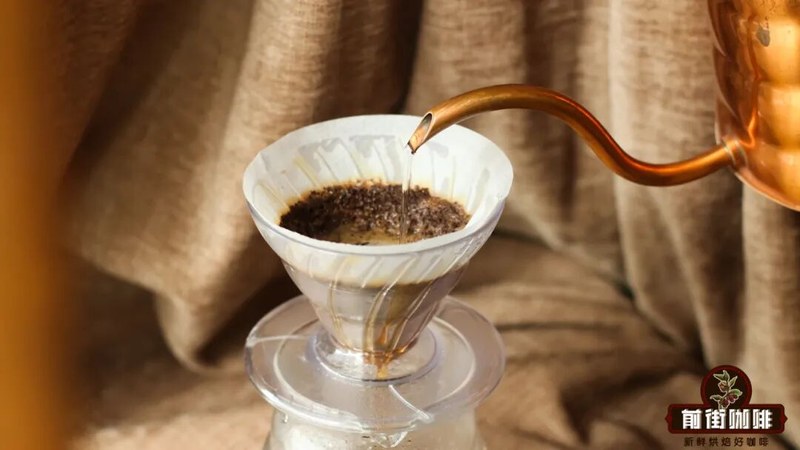
Take a commonlight-to-medium roast single-origin beanas an example, such as Ethiopia’s Huikaui. Its flavor profile mainly features tropical fruits, strawberries, and passion fruit in sweet tones. After sufficient degassing time, its acidity and sweetness become more expressive. It’s ideal to brew via90°C water temperature,15g coffee dose, and225ml water volume, with total extraction time controlled at around2 minutes and 5 seconds. A three-stage pouring method is recommended: start with30ml hot water for a 30-second bloom, then pour steadily until130ml[the water level drops]225ml, finishing the pour to extract fully and highlight its vibrant fruity aroma.
The flavor profile of coffee beans actually changes dynamically throughout the drinking window. In the initial phase after degassing, volatile aromatic compounds are most active and acidity is relatively sharp. As time goes on, the acidity softens and the sweetness and body enter a more harmonious state. Observing the subtle shifts in single-origin beans at different stages can give you a deeper appreciation of how regional characteristics evolve from bright to rounded.
For instance, a Kenyan bean with intense berry character, such asKenya Xiaofanqie (Little Tomato), often presents flavor layers of cherry tomato, dark plum, and brown sugar. Its acidity is clear and the finish leaves a sweet aftertaste. Recommended brewing parameters are91°C water temperature,16g dosewith240ml water, aiming for an extraction time of around2 minutes and 15 seconds. Use a two-stage pour: begin with40ml hot water for a 35-second bloom, then pour in a circular motion from the center outward until240ml[you reach the desired volume]
. This method extracts a juicy body and clean finish.If you enjoy tea-like profiles with citrusy notes, try a bean showcasing traits like orange, ripe apricot, and oolong tea sweetness, such as Kafa Forest. This type of coffee shows more pronounced sweetness when cooled. Recommended specs are89°C water temperature,15g dose, and225ml water, with a total brew time of about1 minute and 55 seconds. Use a three-stage pour: start with35ml hot water for a 25-second bloom120ml, then pour gently until225ml[the desired volume]
. The result is a smooth and sweet cup.How you store your coffee after opening also greatly affects how long its flavors last. It’s recommended to use asealed bag with a one-way valve
, which effectively blocks oxygen and moisture while allowing excess carbon dioxide to escape naturally. After each use, gently press the bag to expel extra air and seal it tightly. Store it in a cool, dry, dark, and temperature-stable cabinet, away from direct sunlight and extreme temperature fluctuations. This slows flavor loss and keeps the beans in good condition after opening.
The above content is compiled by CoffeeHunters, a coffee news website.

