







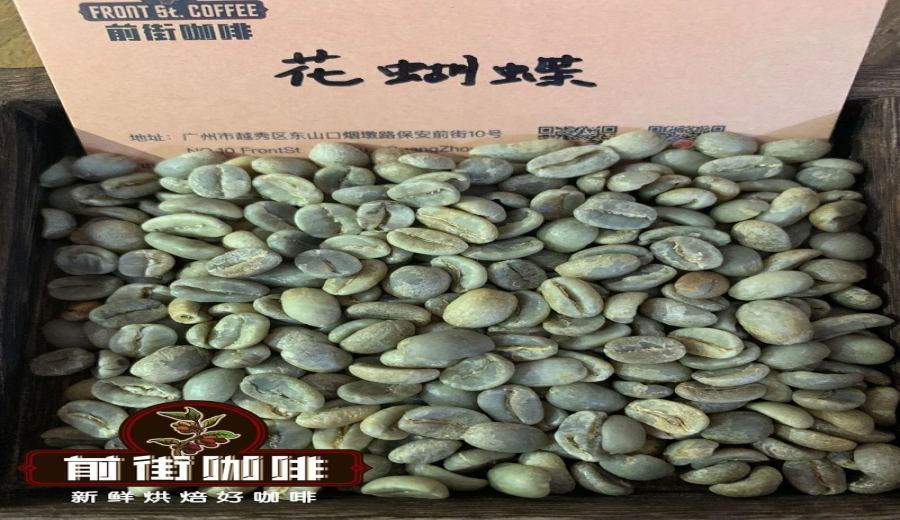
Introduction:After roasting, coffee beans undergo a degassing period, and beans roasted to different levels show noticeable differences in flavor expression. This article uses three popular espresso beans as examples to detail the resting time and aroma evolution of light, medium, and dark roasts, and provides practical pour over and espresso extraction parameters to help readers grasp the optimal drinking window and enhance the flavor performance of their coffee.
Freshly roasted coffee beans are not suitable for immediate brewing, as the high-temperature roasting process accumulates a large amount of carbon dioxide inside the beans. These gases need time to slowly release, while the aromatic compounds in the beans also gradually activate and reach a balanced state during this phase. Understanding the process from degassing to full aroma development allows you to more accurately choose the right time to enjoy your coffee, experiencing the richest layers and smoothest mouthfeel.
The so-called "resting" refers to the process where coffee beans steadily release carbon dioxide through one-way valve packaging. Generally speaking, dark roasted beans, due to their looser structure, degas more quickly; whereas light to medium roasted beans have a tighter structure, and the development of aromatic molecules takes longer. Mastering the degassing characteristics of various types of coffee beans can lay a stable flavor foundation for subsequent extraction.
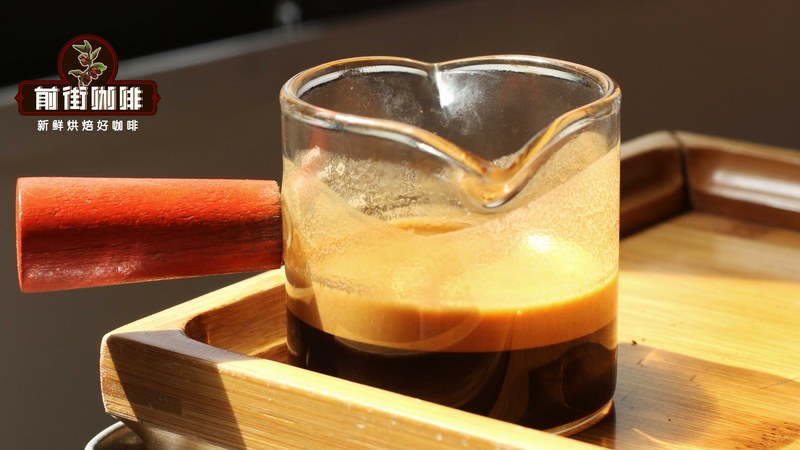
Especially when making espresso, freshness directly affects the stability and taste of extraction. If the beans have not fully degassed, high-pressure extraction can easily produce rough and unstable crema, leading to uneven water flow; whereas beans that have undergone an appropriate resting period will have a more stable puck structure, allowing for the extraction of fine and even crema with a smoother and rounder mouthfeel. Therefore, arranging the appropriate drinking time according to the flavor characteristics of different beans is crucial.
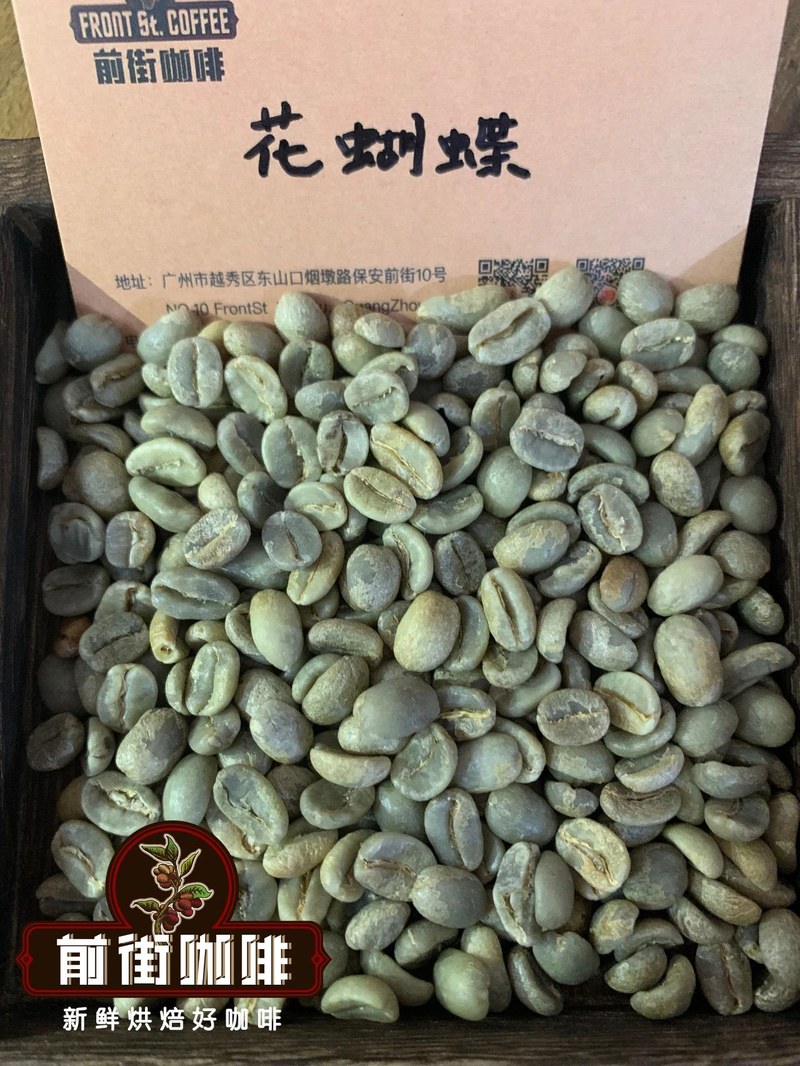
Take this bean, which highlights fruity and sweet notes, as an example. It is roasted to a light-to-medium level, fully preserving the vibrant aromas of tropical fruits and the soft sweetness reminiscent of strawberry taffy. This type of bean is generally recommended for consumption between the 10th and 14th day after roasting. By then, the excessive harshness has dissipated, and the juicy freshness and sweetness reach an excellent balance, making it highly suitable for producing a refreshing fruit-forward Americano.
When brewing this coffee bean for black coffee, it is recommended to use water at 90°C, with 15 grams of coffee grounds and a 1:15 coffee-to-water ratio (total water volume of 225 ml) for extraction. Use a three-stage pouring method: start with a 30 ml bloom for 30 seconds, then steadily pour up to 130 ml, wait for the water level to drop, and then add more water up to 225 ml. The total brew time should be around 2 minutes and 5 seconds, clearly highlighting the sweet aroma akin to strawberry candy, with a refreshing yet layered mouthfeel.
This medium-roasted coffee bean features a flavor profile dominated by mellow roasted nuts, cocoa powder aromas, and a soft caramel sweetness, with low and balanced acidity. This type of medium roast usually enters its best drinking window between the 7th and 10th day after roasting. Not only is the state stable, but it also works well with a variety of home brewing devices. Whether brewed as black coffee or paired with milk, it can showcase a rich and mellow mouthfeel.
When brewing this bean, it is recommended to use water at 88°C, weigh out 15 grams of coffee grounds, and pour in 225 ml of hot water. Use a two-stage pouring method: first, bloom with 40 ml of water for 30 seconds, then use a thin stream to steadily pour in circles until the total volume reaches 225 ml. The total brew time is about 1 minute and 50 seconds. This extraction yields a sweet and round coffee liquid, with harmonious notes of nuts and cocoa, ideal for those who prefer a mellow taste.
This medium-to-dark roasted coffee bean is known for its intense herbal aromas, robust dark chocolate flavors, and low-acidity, full-bodied mouthfeel. Medium-to-dark roasted beans degas more quickly and typically display a solid and stable flavor foundation between the 5th and 7th day after roasting, making them highly suitable for those who prefer bold flavors or frequently use a moka pot.
For this bold-style bean, it is recommended to use water at 92°C, take 18 grams of coffee grounds, and pour in 240 ml of hot water. Use a single-stage pouring method: start by wetting the coffee bed with 30 ml of water for 20 seconds, then maintain a slow, centered continuous pour until the total volume reaches 240 ml. The total brew time is controlled at around 2 minutes and 15 seconds. The higher water temperature combined with a steady extraction fully brings out the bitterness and sweetness of dark chocolate along with a rich aftertaste, perfect for those who enjoy a bold cup.
The storage method after opening also affects the coffee bean’s drinking window. Once exposed to air, coffee beans are prone to oxidation. It is recommended to squeeze out excess air from the bag and seal it tightly after opening, or transfer the beans to a well-sealed, light-proof container and store them in a cool, dry cabinet away from direct sunlight. Avoid refrigeration to prevent condensation caused by temperature changes, which can affect flavor. Generally, it is advised to consume the beans within one month after opening to preserve the best flavor.
Understanding the freshness and flavor development rhythm of coffee beans helps plan the daily purchase and usage sequence of beans more scientifically. Based on personal drinking habits, alternating between beans of different roast levels and resting periods not only ensures consistent flavor in each cup but also allows you to experience subtle flavor variations at different stages, making your daily coffee time more exciting and something to look forward to.
The above content is compiled by CoffeeHunters, a coffee news website.

