







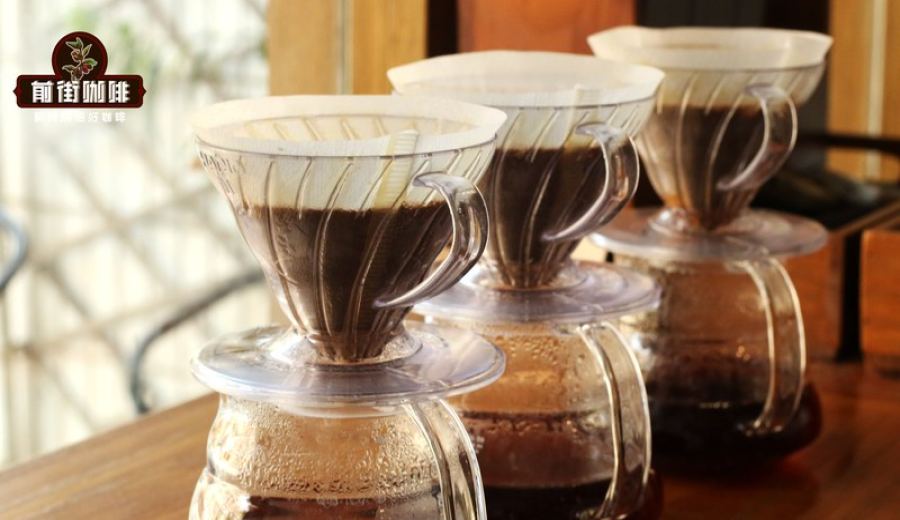
Introduction:To brew a latte with balanced flavor and rich aroma, in addition to technique, it's essential to understand the degassing cycle of coffee beans and the correct way to store them. This article delves into the gas release characteristics of freshly roasted coffee beans at different stages, tells you when the golden period is for brewing lattes, and recommends several practical coffee beans suitable for making milk coffee. With detailed extraction parameters, you can also brew café-quality rich lattes at home.
In the stage right after roasting, coffee beans accumulate a large amount of carbon dioxide. The release rhythm of these gases greatly affects the extraction performance during subsequent brewing and the integration with milk foam. Understanding the degassing process helps you choose the optimal time to enjoy the coffee when its flavors are most vibrant and balanced—especially crucial for latte lovers seeking a rich taste, as it’s key to enhancing overall flavor.
In the first few days after roasting, it’s known as the "active degassing period." At this time, the internal pressure of the coffee beans is relatively high. If used immediately to make lattes, the gases may interfere with the even penetration of water through the coffee grounds, leading to incomplete extraction and affecting the richness and body of the coffee liquid. It’s recommended to let freshly roasted beans rest for several days to allow the internal carbon dioxide to gradually release. This not only yields clearer and more stable aromas but also makes the overall flavor rounder.
Generally speaking, the so-called "best-before period" refers to the stage when the degassing state of the coffee beans stabilizes and the flavor compounds are at their most abundant. For darker roasts with nutty and cocoa notes, it usually takes about five to seven days of resting to reach a drinkable state; whereas medium to light roasts, which retain more fruity notes, may require a longer time—about ten days—to achieve a smoother balance of acidity and sweetness.
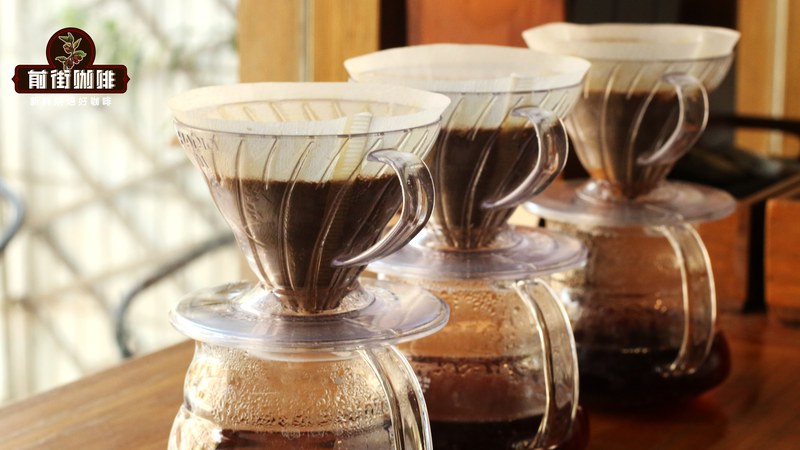
When actually extracting this Dark Cocoa Blend, it’s recommended to use water at about 90°C, with 20 grams of coffee grounds, and inject 60 milliliters of hot water at a 1:3 coffee-to-water ratio, keeping the total extraction time within 1 minute and 10 seconds. Use a two-stage pouring method: first, wet the coffee bed with 30 milliliters of hot water for a 25-second bloom, then slowly pour the remaining 30 milliliters. After the dripping is complete, add 180 milliliters of hot milk to complete a rich latte.
If you prefer milk coffee with more prominent fruity notes, you can choose the “Strawberry Candy Coffee Beans.” This bean has distinct strawberry taffy and tropical fruit characteristics, and its degassing rhythm is relatively mild. It’s generally recommended to rest for about ten days to two weeks until the fruity and sweet notes reach a balance. Even when blended with milk, its flavor remains distinctly recognizable.
When making an iced latte base with this bean, it’s suggested to slightly adjust the water temperature to 92°C, using 16 grams of coffee grounds and injecting 80 milliliters of hot water, with a total extraction time of about 1 minute and 40 seconds. Use a three-stage pouring method: first bloom with 30 milliliters for 30 seconds, then pour 25 milliliters twice. After dripping, pour into a cup containing 140 milliliters of iced milk and ice cubes to present a refreshing and layered fruity flavor.
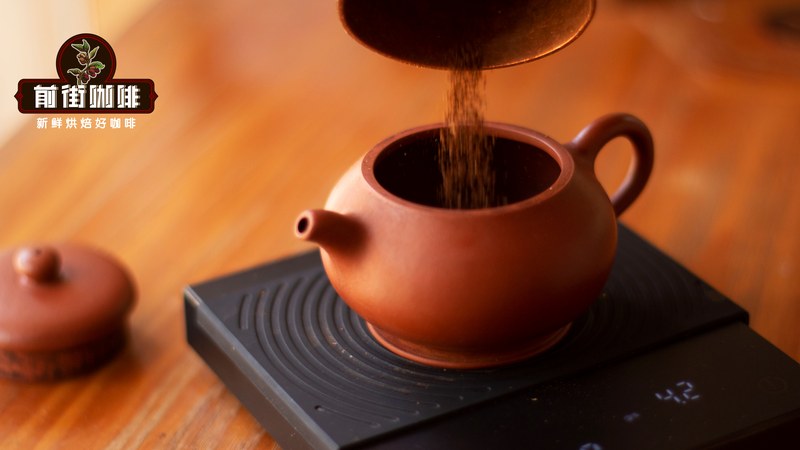
If you want a latte with balanced nuttiness and a mellow sweetness, the “Brazilian Queen Estate” is a great choice. This bean emits the soft aromas of roasted peanuts, cocoa, and brown sugar. After roasting, just five to eight days of resting will bring out its smooth and palatable texture. Due to its low acidity, when combined with lactose in milk, it creates a creamy, sweet mouthfeel.
When making a daily latte with this bean, it’s recommended to set the water temperature at 88°C, use 18 grams of coffee grounds, and inject 72 milliliters of hot water at a 1:4 coffee-to-water ratio, with a total extraction time of about 1 minute and 20 seconds. A one-stage pouring method is recommended: steadily circle-pour the 72 milliliters in one go, wait for it to drip through, then mix with 150 milliliters of fresh milk. This fully highlights the excellent pairing of caramel aroma and milk fragrance.
Finally, how you store your coffee beans after opening the bag is also a crucial part of maintaining flavor. It’s recommended to place the beans in a sealed bag with a one-way degassing valve or in a dark, opaque airtight container, stored in a cool, dry, and light-proof place to minimize the impact of oxygen and light on the coffee’s flavor. This way, even within three to four weeks after opening the bag, you can still enjoy a latte experience that’s rich in aroma and full in flavor.
The above content is compiled by CoffeeHunters, a coffee news website.

