








Introduction:When selecting beginner-friendly pour over beans, roast date and storage method are key to flavor performance. This article delves into the degassing cycles, optimal drinking windows, and post-opening preservation tips for beans at different roast levels, while also recommending two entry-level pour over beans with precise brewing parameters. It helps you master the entire process from bean selection to brewing, making it easy to extract richly layered coffee flavors.
Freshly roasted coffee beans, having just released a large amount of carbon dioxide, have a tight bean structure where aromatic compounds haven’t fully developed. Brewing immediately after roasting may cause excessive gas to interfere with even water penetration through the coffee bed, leading to uneven extraction and a thin or noticeably sour and astringent cup. Therefore, allowing the beans to rest for a period lets carbon dioxide release naturally while promoting the maturation of internal oils and flavor compounds—a crucial step to appreciating the bean’s rich complexity.
Generally speaking,Light roastbeans, due to their harder texture and slower degassing rate, are recommended to rest for aboutseven to ten daysafter roasting, when aromas gradually become clearer and more stable. For beans processed via sun-drying or special fermentation methods—owing to their high fructose content and rich flavor molecules—the resting period can be extended toover ten daysto help transform the initially slightly harsh fermentation notes into softer fruity sweetness. In contrast,medium-dark roastbeans, being softer in texture and degassing faster, can showcase a round and smooth mouthfeel after justthree to five daysof rest.
Theoptimal drinking windowfor coffee beans typically falls betweentwo to four weeksafter roasting. During this period, the release of carbon dioxide inside the beans stabilizes, allowing volatile aromatic compounds to fully express—whether delicate floral notes or vibrant fruit acids, all can be distinctly perceived. By the second month post-roast, though flavors remain largely stable, the lighter volatile aromas gradually diminish, shifting the overall profile toward subtler woody and nutty tones.

Post-opening coffee bean storage focuses on blocking oxygen, light, and moisture. It is recommended to use the originalfoil bags with one-way degassing valves, which allow continuous carbon dioxide release while preventing external air from entering. After each use, try to squeeze out excess air from the bag and seal it tightly with the zipper. Store in a cool, dark, and dry cabinet—there’s no need to frequently change containers or refrigerate in environments with fluctuating temperature and humidity.
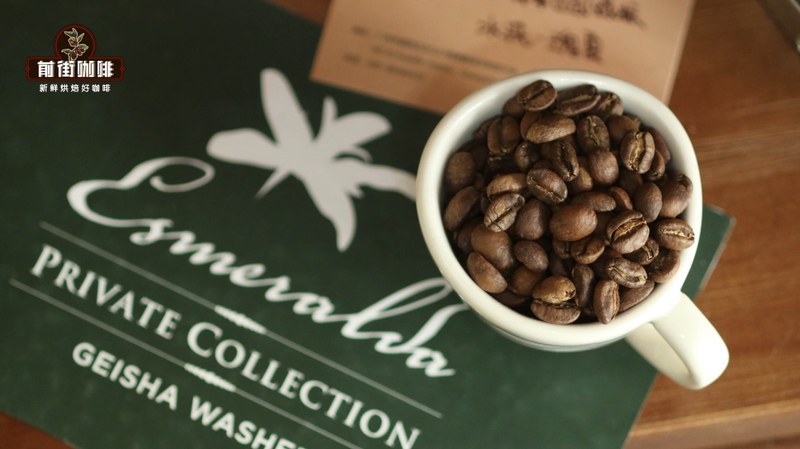
If you prefer delicate and pure floral-fruity profiles, opt for Panama Finca El Valle Red Label Geisha. This washed-processed bean, after proper resting, reveals elegant white jasmine floral notes, bright bergamot acidity, and a refined red tea-like aftertaste. It has a light and silky mouthfeel, ideal for savoring its layered changes during a leisurely afternoon. Recommended brew parameters: 90°C water, 15g coffee, 225ml water (1:15 ratio), total brew time under 2 minutes 10 seconds. Use a three-stage pour: start with a 30ml bloom for 30 seconds, then steadily circle-pour to 130ml. When the liquid level drops halfway, add the remaining water up to 225ml before removing the filter. For those who enjoy intense tropical fruit flavors, try Granja La Esperanza Geisha. This sun-dried bean, after roughly two weeks of rest, transforms its initially strong fermentation aromas into sweet notes resembling orange blossom, apricot, ripe guava, and strawberry jam. It offers a round acidity and full sweetness, with an even more pronounced juiciness as it cools. Adjusted brew parameters: 91°C water, 16g coffee, 240ml total water (1:15 ratio), total brew time 2 minutes 20 seconds. Use a two-stage pour: begin with a 40ml bloom for 35 seconds, then circle-pour evenly from the inside out with a fine stream until reaching 240ml, allowing the coffee bed to fully release its jammy sweetness.For beginners with modest daily consumption, plan your bean purchases and drinking pace accordingly. A single purchase of around200g[quantity placeholder]two to three weeks’ worthensures you can finish the beans within their golden flavor window, allowing you to fully experience the evolution from initial aromas to full complexity—while avoiding prolonged exposure that leads to aroma loss. Mastering the timing of opening and drinking, and rotating fresh beans regularly, lets you consistently enjoy pour over coffee at its best.
During daily brewing, you can also gauge bean freshness by observing the bubbling of the coffee puck in the filter. A full and risen bed indicates high bean vitality with peak aromatics. As storage time increases, bubbling will gradually subside. At this point, consider slightly adjusting grind size finer or tweaking water temperature to maintain flavor extraction. Adapting to the natural changes of coffee beans at different stages allows you to more deeply enjoy the rich pleasures of pour over brewing.
The above content is compiled by CoffeeHunters, a coffee news website.


