







Introduction:Understand how freshly roasted pour over coffee beans change from the moment of roasting to their peak flavor window, master the degassing times and optimal brewing periods for different roast levels, and learn the correct storage methods to preserve aroma. This article details the degassing characteristics of light, medium, and dark roast beans, the best extraction timing, as well as practical pour over parameters and storage tips to help you fully showcase the regional flavors of each bean.
Freshly roasted coffee beans contain a large amount of carbon dioxide inside. These gases are rapidly released during the first infusion, and grinding and brewing at this time can create a barrier that hinders water and coffee grounds contact, affecting extraction efficiency and flavor expression. Therefore, it is recommended to let the coffee beans rest for several days to over ten days, allowing the internal aromatic molecules and oils to fully integrate so that the flavors transition from green and astringent to rounded and layered.
Coffee beans of different roast levels have varying cell structures, which result in differences in the time required for degassing.Light Roast BeansDue to lower roasting temperatures and tighter cell structures, they typically need to rest for eight to twelve days. Once the internal gases have stabilized and been released, they are ready to be opened and used.Medium and Dark Roast BeansBecause the roasting process causes more cell wall rupture and faster carbon dioxide release, they generally reach a better drinking state within five to seven days. Observing this cycle of change helps with planning the quantity of beans purchased and the packaging size. It is recommended to consume them within one month after opening to achieve the fullest flavor expression.
When coffee beans have undergone an appropriate degassing period, they enter an aroma peak period of about two to four weeks. During this time, floral and fruity notes are prominent, fruit acidity is bright and clear, and the sweetness in the aftertaste is most balanced—making it the best time for pour over. Take a commonlight roast Ethiopian beanas an example: after about ten days of resting, its citrus and apricot aromas become softer, with a distinct tea-like finish and sweetness, especially when the temperature drops slightly, revealing more nuanced layers. If you open the bag after ten full days of degassing, the acidity will shift from sharp to soft and juicy, resulting in a light and smooth overall mouthfeel.
For actual pour over brewing, it is recommended to use 15 grams of coffee beans ground to a medium-fine level, with water temperature controlled at around 91°C. Use a three-stage pouring method: start with 30 ml of hot water for a 30-second bloom, then slowly circle in 120 ml for the second stage. When the water level drops to about two-thirds, add the final 75 ml, totaling 225 ml. The entire extraction process should take approximately 2 minutes and 5 seconds. This balances fruit acidity and tea-like qualities, showcasing the best flavor structure.
If you prefer beans with more delicate flavors, such as certainGeisha varietiesprocessed with sun-drying, after sufficient degassing, they will release enchanting aromas of orange blossom and guava, along with a sweet aftertaste reminiscent of strawberry jam. Their flavor compounds usually reach an ideal balance around the twelfth day after roasting. Brewing at this time allows you to clearly perceive the layered floral and fruity aromas, rich and distinct. To fully extract these subtle flavors, it is recommended to use 16 grams of coffee beans, with water temperature around 90°C, using a two-stage pouring method: first bloom with 35 ml for 35 seconds, then evenly pour 205 ml with a fine stream, for a total of 240 ml. Control the extraction time to around 1 minute and 55 seconds to fully bring out the gentle floral notes and rich sweetness.
Additionally, for coffee lovers who enjoy tropical fruit profiles, certainSouth American bean varietiessuch as the Sidra variety, after degassing, can exhibit multiple fruit notes including passionfruit, blueberry, and dark grape. These beans are not only suitable for hot pour over but also great for making iced pour over after the degassing period, as cold brewing highlights the crisp and three-dimensional quality of the fruit aromas.
When making iced pour over, it is recommended to use 18 grams of coffee grounds and pre-place 100 grams of ice in the lower kettle, with water temperature controlled at around 89°C. Use a three-stage pouring method: first pour 35 ml for a 30-second bloom, then 65 ml, and finally 60 ml, for a total of 160 ml. The whole process takes about 1 minute and 45 seconds. Through low temperature and slow extraction, the concentrated fruit aromas become even fresher after chilling, delivering a cool yet intense juice-like experience.
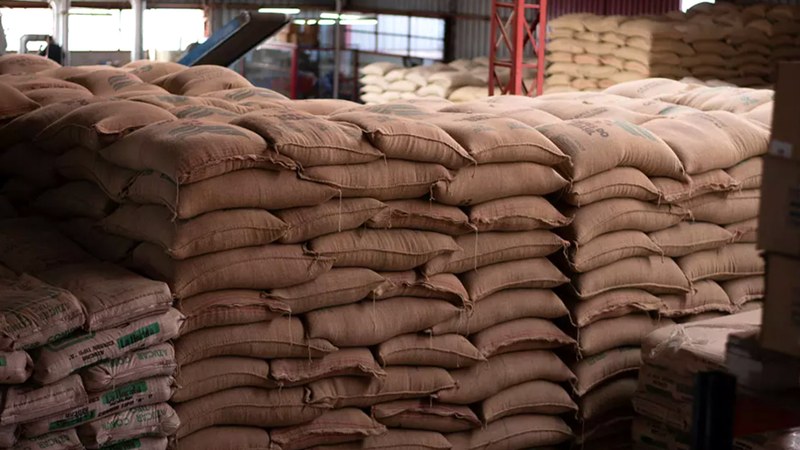
If opened coffee beans are not stored properly, their aroma and flavor will quickly deteriorate. Oxygen, high temperature, sunlight, and moisture are the main causes of aroma decline. After each use, try to expel excess air from the bag, securely seal the packaging with a one-way degassing valve, and store it in a cool, dry, and dark place. It is especially important to avoid placing coffee beans in the refrigerator or freezer, as frequent opening can cause the beans to absorb odors and moisture, accelerating flavor degradation.
Mastering the degassing cycle and storage essentials of coffee beans allows you to plan your bean purchases and opening times reasonably based on your daily drinking habits, and consistently bring out the unique characteristics of each bean during pour over. With stable water temperature, grind size, and pouring techniques, you can fully highlight the origin flavors and delicate layers of the coffee, making every cup of pour over rich in aroma and delightful sweetness.
The above content is compiled by CoffeeHunters, a coffee news website.


