







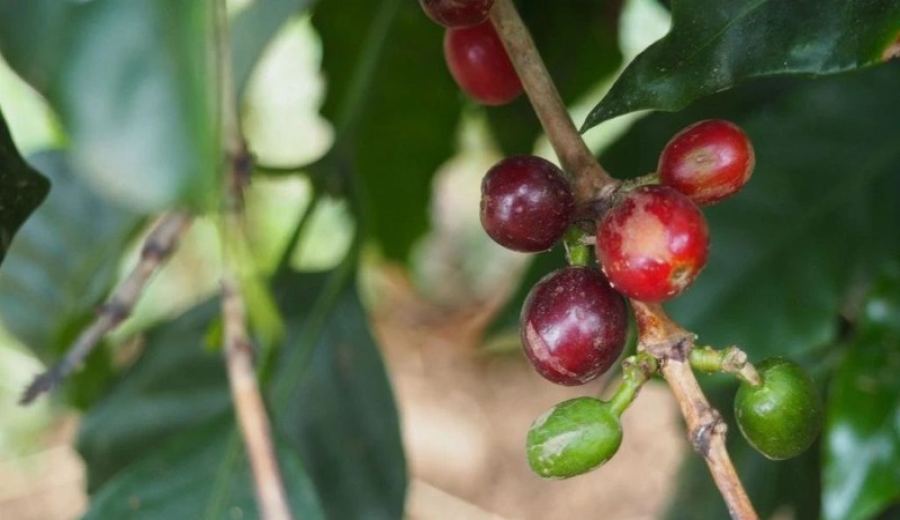
Introduction:Due to differences in processing methods, decaffeinated coffee beans exhibit distinct degassing rhythms and flavor development timelines compared to regular beans. Understanding the post-opening flavor window, degassing characteristics, and storage essentials of low-caffeine pour-over beans can help you identify the optimal brewing timing to bring out bright acidity and clean aftertaste. This article also provides practical brewing parameters and flavor descriptions to help you experience the refined profile of decaf pour-over coffee.
During the decaffeination process, the cell walls of green beans undergo microstructural changes due to specialized techniques, resulting in a more porous arrangement of gas pores in the roasted beans compared to regular coffee. This affects their degassing rate and flavor release curve. If you aim to enjoy clear fruity notes and natural sweetness through pour-over brewing, it’s essential to grasp the unique degassing decay rhythm and freshness variations of decaf beans.
Freshly roasted coffee beans contain a high amount of carbon dioxide, which can create intense bubbling in the filter basket during direct brewing, leading to uneven water distribution and inconsistent extraction. Decaf beans are generally recommended to rest for about four to six days after roasting, allowing the initial gases from the green beans to stabilize before opening the bag for use. After opening, the aromatic compounds in the beans will gradually unfold their fullest complexity over the next two to three weeks—this is the golden period for savoring the flavors of decaf pour-over coffee.
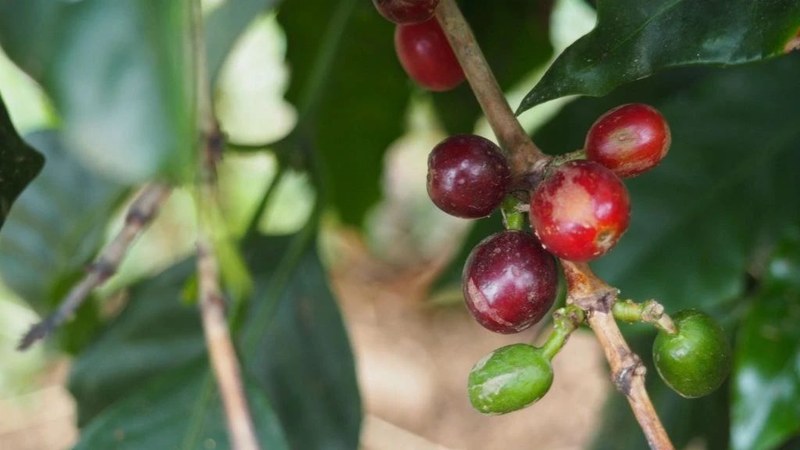
Taking a common light-roast decaf bean as an example, such as a certain brand’s Yirgacheffe Guji Dingding, once it enters the stable flavor stage, it clearly showcases soft white floral notes, citrusy acidity, and a green-tea-like crisp finish. When the beans have undergone proper degassing, these aromatic molecules will more smoothly integrate into the brew, creating a cup with distinct layers and a bright mouthfeel.
For the light-roasted Yirgacheffe Guji Dingding, it’s recommended to use water at approximately 90°C, with 15 grams of coffee grounds and a total water volume of 225 milliliters. The overall extraction time should be around 2 minutes and 5 seconds. In practice, a three-stage pouring method can be employed: first, evenly wet the coffee bed with 30 milliliters of hot water and let it bloom for 30 seconds; then, steadily pour in a circular motion up to 130 milliliters; finally, when the liquid level drops slightly, add water up to 225 milliliters before removing the filter, helping to achieve even extraction and balanced flavor.
It’s important to note that once coffee beans are opened, exposure to oxygen in the air and environmental humidity will accelerate the evaporation and degradation of internal oils and aromatic molecules. To extend the peak flavor period, it’s recommended to gently press out excess air after each use, securely seal the packaging with a one-way degassing valve, and store the beans in a cool, dry, and dark place away from heat sources and direct sunlight. This helps preserve the freshness and vibrancy of the aromas.
Taking another highly representative decaf bean—a certain brand’s Ethiopian Huakui—as an example, this bean, after proper resting, can display exceptionally lively sweetness along with enticing aromas of ripe strawberries, passion fruit, and tropical fruit candy. When brewed during its flavor peak, its juice-like mouthfeel and naturally rounded sweetness blend perfectly, with a clean and impurity-free finish, making it highly suitable for those who enjoy bright fruity profiles.
When brewing this Huakui, it’s recommended to use water at 91°C, with 16 grams of coffee grounds and a total water volume of 240 milliliters, aiming for an overall extraction time of around 2 minutes and 15 seconds. In practice, a two-stage pouring method can be used: first, pour 40 milliliters of hot water and let it bloom for 30 seconds to awaken the aromas; then, continue with a steady medium stream of water up to 240 milliliters before stopping, which effectively highlights the bean’s mid-palate tropical fruit notes and sweet undertones.

If the coffee beans have been opened for more than three weeks, the release rate of aromatic compounds will noticeably slow down, and the flavor expression may not be as vibrant as during the peak period. For decaf beans in the latter stage of their flavor window, you can try fine-tuning the grind size by making it slightly finer (about half a step) or increasing the water temperature by about 1°C to compensate for the reduced aroma through improved extraction efficiency, still allowing you to enjoy a cup with balanced texture and moderately sweet taste.
Taking a medium-roast decaf bean with clear acidity and layered fruity notes—a certain brand’s Kenya Little Tomato—as an example, during its optimal drinking period, it often showcases a refreshing acidity reminiscent of cherry tomatoes, the complexity of dark black plums, and a rich, caramel-like sweetness in the finish. Such decaf single-origin beans, which balance fruity acidity and sweetness, are particularly outstanding when fresh, with a clean finish and a tangible juicy texture.
When brewing this medium-roast Kenya Little Tomato, it’s recommended to use water at 89°C, with 15 grams of coffee grounds and a total water volume of 225 milliliters, maintaining the entire process for about 2 minutes. In practice, a three-stage pouring method is suggested: the first stage involves blooming with 35 milliliters of water for 28 seconds; the second stage pours up to 120 milliliters with a slight pause; and the final stage evenly pours up to 225 milliliters to complete the extraction, helping to clearly present its unique flavor profile where acidity and sweetness intertwine.
The above content is compiled by CoffeeHunters, a coffee news website.


