







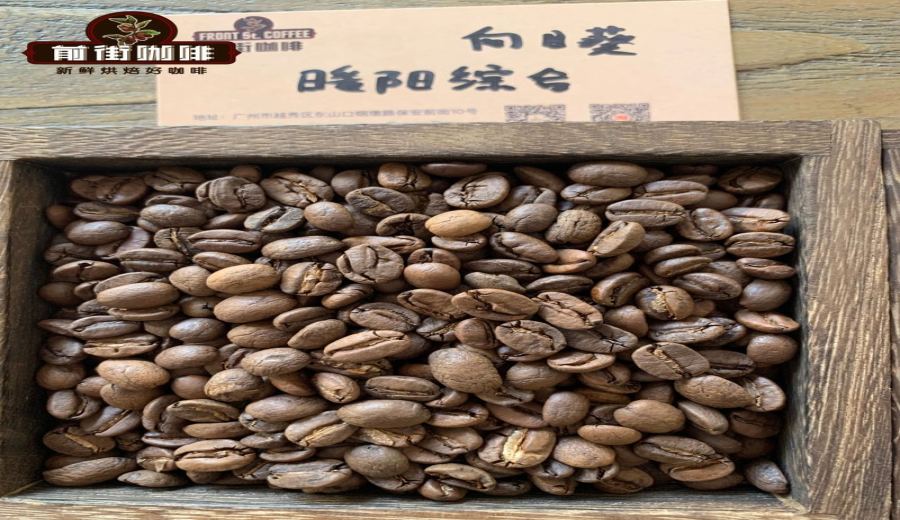
Introduction:Dark roasted coffee beans, due to high-temperature roasting, produce a large amount of carbon dioxide and unique flavor compounds. Their degassing period and peak flavor window differ significantly from those of light roasts. This article provides a comprehensive guide to the full life cycle of dark roast pour-over beans—from opening the bag to flavor decline—helping you master the optimal resting time, adjust pour-over parameters, and explore classic dark roast beans such as Papua New Guinea Bird of Paradise, Dark Cocoa Blend, and Classic Blend. Learn their flavor profiles and brewing tips to ensure every cup of dark roast pour-over delivers rich caramel and nutty notes.
During the roasting process, dark roasted coffee beans undergo intense caramelization and Maillard reactions due to high temperatures. The bean structure expands noticeably, forming more internal pores, which causes carbon dioxide and other volatile compounds to be released at a much faster rate than in lighter roasts. To fully showcase the aroma and rich mouthfeel of dark roast beans through pour-over brewing, it’s crucial to understand their degassing stages and flavor transition cycles.
In fact, freshly roasted dark roast beans are not suitable for immediate use. During the first few days after roasting, the beans accumulate a large amount of carbon dioxide. Brewing them directly by grinding can cause the boiling water to be blocked by these gases, preventing even extraction of the coffee grounds. This may result in uneven flavors or even harsh off-notes. Generally speaking,it is recommended to let dark roast beans rest for four to six daysto allow the internal gases to slowly release and the flavors to gradually stabilize. This period is called the "degassing period."
Once dark roast beans have passed the intense degassing phase—roughly during thefirst to third weeks after roasting—they enter what is known as the "peak flavor period." At this stage, the aromatic compounds in the beans are fully released. The resulting pour-over coffee not only has a smooth and layered mouthfeel but also exhibits distinct caramel sweetness, nutty aromas, and deep cocoa notes. This is the best time to enjoy dark roast pour-over.
For example, a dark roast single-origin bean from Papua New Guinea, commonly referred to as "Bird of Paradise," is known for its round, full-bodied profile and gentle sweetness. Its acidity is mild and well-balanced, closely resembling the classic Blue Mountain style. After about a week of resting, pour-over brewing can bring out mellow brown sugar and roasted malt aromas—perfect for those who prefer a smooth cup.
When brewing this bean, it is recommended to use a three-stage pouring method to enhance flavor layers. Set the water temperature to88°C, use15 grams of coffee grounds, with a total water volume of225 millilitersand a brew ratio of1:15. Keep the total brewing time around2 minutes and 05 seconds. Start with a 30-second bloom using30 milliliters of hot water, then steadily pour 95 milliliters of water to reach a total of 125 milliliters. Once the water level drops, pour the remaining 100 milliliters to complete the brew.
If you prefer a richer, dark chocolate-forward dark roast, consider a blend known for its bold sweetness, such as the popular Dark Cocoa Blend. These beans typically feature notes of dark cocoa, roasted almonds, and intense caramel, with low acidity and a heavy body—ideal for a morning pick-me-up. Their performance peaks after about a week of resting, producing a brew with a silky, cocoa-butter-like mouthfeel.
When brewing this Dark Cocoa Blend, to avoid over-extraction and enhance cocoa aromas, a two-stage pouring method is recommended. Set the water temperature to86°C, use16 grams of coffee grounds, with a total water volume of220 millilitersand a total brew time of about1 minute and 50 seconds. Begin with a 25-second bloom using35 milliliters of water, then pour the remaining 185 milliliters using a medium stream in slow circles from the center outward until brewing is complete.
Another great everyday dark roast blend focuses on nuts, cocoa, and caramel as its core profile. This blend performs well as both a straight pour-over and when combined with hot milk, maintaining good flavor balance and richness. It’s a daily favorite for many coffee enthusiasts. It is best enjoyedfive to eight daysafter opening, when the aroma is at its peak for the optimal tasting experience.
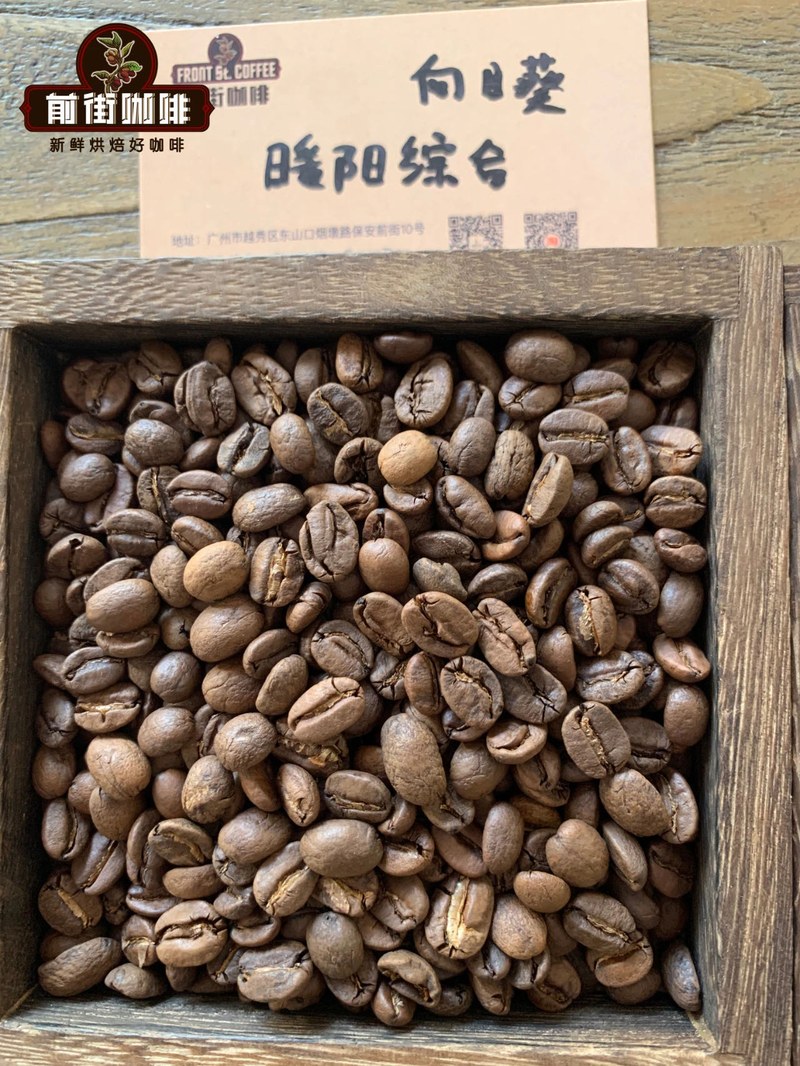
For this Classic Blend, a one-stage pouring method is advised to maintain extraction stability. Set the water temperature to87°C, use15 grams of coffee grounds, with a total water volume of210 millilitersand a total brew time of around1 minute and 45 seconds. Begin with a 25-second bloom using30 milliliters of water, then pour slowly and steadily from the center of the coffee bed until you reach 210 milliliters. Try to keep the flow focused to highlight the smooth sweetness of the blended nut and caramel notes.
Beyond brewing techniques, storage also affects the flavor of dark roast beans. Due to their slight oil content, dark roast beans are prone to absorbing moisture and oxygen from the air, leading to oxidation and flavor degradation. Therefore,it is recommended to keep opened dark roast beans in their original packaging with a one-way valveand store them in a cool, dry place away from direct sunlight and humidity. Generally, opened dark roast beans are best consumed withintwo to three weeksfor the best drinking experience.
In summary, mastering the degassing cycle, flavor development, and ideal brewing parameters of dark roast pour-over beans allows you to enjoy their rich, bold, and complex characteristics in every cup. Adjust your purchase quantity and storage methods based on your drinking habits, and make every cup of dark roast pour-over a comforting treat for the palate.
The above content is compiled by CoffeeHunters, a coffee news website.


