







Introduction:Yirgacheffe is renowned for its unique floral aroma, citrus notes, and tea-like body, but whether these flavors can be fully expressed depends closely on the time elapsed between roasting and brewing. This article takes an in-depth look at the ideal resting period for Yirgacheffe, key storage tips after opening, and how to manage your beans according to your personal drinking pace—so you can brew a pour over with distinct layers and balanced flavors at home.
The most captivating floral and fruity aromas, refreshing citrus notes, and soft tea-like qualities of Yirgacheffe actually depend largely on the “timing” from when the coffee beans are roasted to when they are actually brewed. Many consumers, when making a purchase, often focus only on a few key flavor descriptors on the tasting note card, while overlooking the roast date, packaging type, and their own daily consumption rate. In fact, it’s only when the beans are in their optimal state that their aromas can fully blossom and their acidity and sweetness can show more distinct layers.
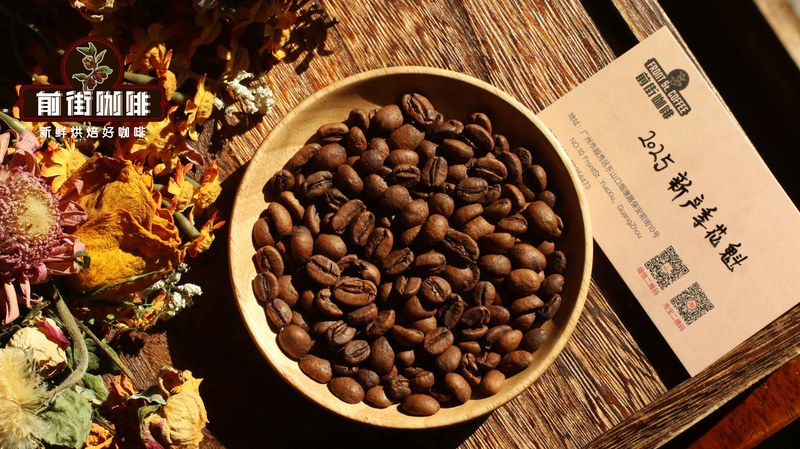
Freshly roasted coffee beans continue to release carbon dioxide internally during this period, which we call the “resting period” or 养豆期. At this stage, the internal gas content of the beans is relatively high. Brewing them too early can disrupt the water flow, resulting in overly sharp aromas, scattered acidity, and even unstable sweetness. But it’s important to note that coffee beans don’t necessarily improve the longer they’re stored. Instead, they need some time to transition from a “highly active” state to a phase where their flavors are most balanced and ideal for drinking.
Generally speaking,light-roasted Yirgacheffe is recommended to be tried starting from the seventh day after roasting. If the beans lean toward floral profiles or are processed via natural (sun-dried) methods, they may sometimes need a few extra days before their flavors fully develop. Medium-light roasted beans with higher density usually produce more noticeable sweetness between ten days to two weeks after roasting. Although packaging often indicates a suggested consumption date, the most accurate basis for judgment is still the actual taste experience.
To get a sense of the optimal drinking window, try brewing the beans yourself for several consecutive days and observe the changes. If you notice the aroma shifting from initially sharp fruit acids to a clearer, softer profile, and the cup doesn’t feel hollow on the palate—with sweetness lingering for a moment after swallowing—this usually means the beans have entered their ideal drinking period. On the other hand, if you find the coffee bed continuously bubbling intensely during brewing, or the flavor oscillates between sourness and bitterness, it’s advisable to let the beans rest for a few more days to allow residual carbon dioxide to dissipate further.
For budget-conscious consumers looking for high cost-performance options, there’s no need to insist on purchasing beans that are shipped just one or two days after roasting. A more practical approach is to choosebeans with a clearly marked roast date, packaged in one-way valve bags, and in a quantity that you’re confident you can finish within two to three weeks. If you typically drink just one cup per day, it’s best to go for smaller packages; if you share the coffee with others or consume a larger amount weekly, larger packages might be more suitable. This way, you can enjoy the beans within their prime while avoiding the loss of vibrancy due to prolonged storage.
After opening, the key to storage is to protect the beans from air, heat, light, and moisture. After each use, be sure to seal the bag tightly and store it in a cool, dry cabinet, away from the stove, windows, or sink. If the original packaging has good sealing, you can keep it as is; for regular bags, transferring the beans to an airtight container is an option—but avoid opening it frequently, as repeated exposure to air can degrade the flavor.
Additionally,whole bean coffee preserves better than pre-ground powderbecause grinding greatly increases the surface area exposed to air, accelerating flavor loss. It’s recommended to grind only the amount needed for each brew to maintain freshness. You could also portion the beans into servings for about seven to ten days’ consumption after purchase—only opening one portion at a time while keeping the rest sealed. When dividing, avoid packing the beans too tightly, and don’t put anything that might produce odors (like tissues or spices) inside the bag.

Take the flavor-rich Yirgacheffe as an example—its performance varies noticeably across stages. For instance, a well-known estate’s Geisha may initially present bright floral and fruity notes, but once it reaches its optimal resting phase, the sweetness of orange blossom, apricot, and berry notes becomes more cohesive, and the overall flavor more rounded. Such beans are great for sipping in multiple pour overs, focusing on aroma in the early sips, sweetness development in the middle, and evaluating the cleanliness of the aftertaste once the cup cools slightly.
For readers who enjoy iced coffee, keep an eye out for beans with pronounced juice-like profiles, such as a certain well-known brand’s Colombian Sidamo. It might show prominent acidic brightness upon opening, but after a few days of stabilization, tropical notes like passionfruit, blueberry, and grape become more concentrated. Whether making iced pour over, cold drip, or single-origin espresso, it’s best to choose beans that have reached a more mature state so the aroma remains clearer even when cooled.
As for a certain specialty brand’s Panamanian Emerald Estate Red Label Geisha, it’s recommended to wait until the beans have stabilized before savoring them slowly. Its jasmine, bergamot, and citrus notes are relatively delicate—if brewed too early, the nuanced black tea-like body may not yet be fully revealed. Once the beans reach their ideal drinking window, the overall mouthfeel becomes cleaner and softer. It’s advised to brew smaller portions each time, focusing on pour over, to more easily compare flavor variations of the same batch across different dates.
Finally, your coffee drinking pace will directly influence your buying and storage strategy. It’s suggested that after getting new beans, set aside a small amount for a trial on the seventh day, then brew again every two or three days, noting the aroma, acidity-sweetness balance, aftertaste length, and coffee bed condition each time. If you find that your favorite flavor profile emerges around the two-week mark, you can plan your opening timing based on your daily consumption; keep the rest sealed. This approach usually extends the overall golden drinking window better than opening all the beans at once.
In summary, the charm of Yirgacheffe often lies not in the most pungent aroma right after opening, but in the gradual clarification of its floral and fruity character and the increasingly cohesive sweetness over time. By mastering the roast date, estimating your consumption rate, allowing adequate resting time, and managing your opening rhythm through small batch packaging, you can ensure that every pack of beans reveals its fullest and most captivating flavor potential—even on a similar budget.
The above content is compiled by CoffeeHunters, a coffee news website.

