








Introduction:The flavor of coffee beans is not static—the first few weeks after opening are the key window for optimal enjoyment. This article will guide you through the differences in degassing periods for light to medium roasted beans, and use three uniquely flavored coffees as examples to show how to adjust extraction based on aroma changes. This way, you can master the best timing and pour over parameters for drinking at home.
Many people mistakenly believe that a coffee bean’s flavor is fixed once it’s roasted. In reality, freshly roasted beans continue to release carbon dioxide, and the internal aromatic compounds need time to rebalance. The so-called “best-by period” actually refers to the stage when the flavor is most vibrant—not the expiration date printed on the package. Understanding this flavor transition process can help you make smarter bean choices and plan your drinking schedule more wisely.
When selecting freshly roasted coffee beans, it’s recommended to check the roast date on the package rather than relying solely on the packaging date or expiration date. Single-way valve aluminum foil bags effectively release excess gases while preventing oxygen from entering, making them ideal for short-term storage. Ensuring the bag shows no significant bloating, moisture, or clumping usually means the beans are maintaining better flavor. Additionally, purchase quantities should be adjusted based on actual drinking frequency to avoid flavor loss due to prolonged storage.

Coffee beans of different roast levels also require varying degassing times. Light roasted beans, due to higher fermentation levels, typically need seven to fourteen days of resting to allow internal aromatic molecules to fully develop, often showcasing richer layers between ten to twenty-one days. Medium roasted beans are relatively faster, usually reaching a smooth stage in about four to ten days. If used for espresso, you can extend the degassing time appropriately—once internal gases have dissipated, extraction will yield more stable flow and mouthfeel. Note that each bean’s density, roast profile, and packaging method will affect degassing needs. It’s best to judge based on actual brewing results such as aroma, acidity, and sweetness.
Freshly degassed coffee beans may exhibit obvious bloom during brewing, intense turbulence in the liquid during extraction, or overly sharp aromas—often because internal gases haven’t fully released yet. At this stage, observe your brewing performance. Over time, acidity usually becomes rounder, while sweetness and aftertaste gradually emerge. It’s recommended to try brewing every two to three days, noting changes in aroma, acid-sweet balance, and finishing flavors to gradually identify your ideal drinking timing.
If you want to explore different flavored beans, avoid buying too many varieties at once. Based on a one-cup-per-day habit, a 200g pack of beans can last around two to three weeks. Choosing smaller packages ensures each variety is fully enjoyed during its flavor-active period. If you’re storing two types of beans at home, stagger their roast dates by a few days—when one reaches its optimal drinking stage, the other is still developing. This way, you can enjoy both flavor continuity and a comparison of varying development rhythms.
Opened coffee beans should be stored in a dark, dry, and temperature-stable environment. It’s recommended to keep them in their original one-way valve packaging or an airtight container. When scooping beans, do so quickly, then reseal tightly and expel excess air immediately to avoid repeated opening causing oxidation. Never place beans near the stove, window, or areas with fluctuating humidity and temperature like sinks. Additionally, whole beans preserve aroma more effectively than pre-ground coffee—it’s best to grind just before brewing.
If you purchase a larger quantity of beans at once, consider dividing them into smaller portions while unopened and freezing them. Each time you use some, take out about a week’s worth and let the package return to room temperature before opening to reduce condensation impact. Be especially cautious—beans that have been opened frequently are not suitable for repeated freezing and thawing. The principle for daily storage remains small purchases and quick consumption. The humidity and odors in the fridge’s cooling compartment are generally not favorable for long-term bean storage.
A certain brand’s Colombian Sidamo is an excellent choice for observing changes in coffee bean freshness. In the early degassing stage, it exhibits lively tropical fruit acidity. Around the tenth day, sweet and mellow notes reminiscent of berries and grapes gradually appear, and when the temperature drops, you may even detect soft hints similar to peach. Ice pour over or cold drip enthusiasts can enjoy it once the flavors are fully developed. For single-origin espresso, it’s advised to wait until the beans stabilize more before adjusting extraction parameters.
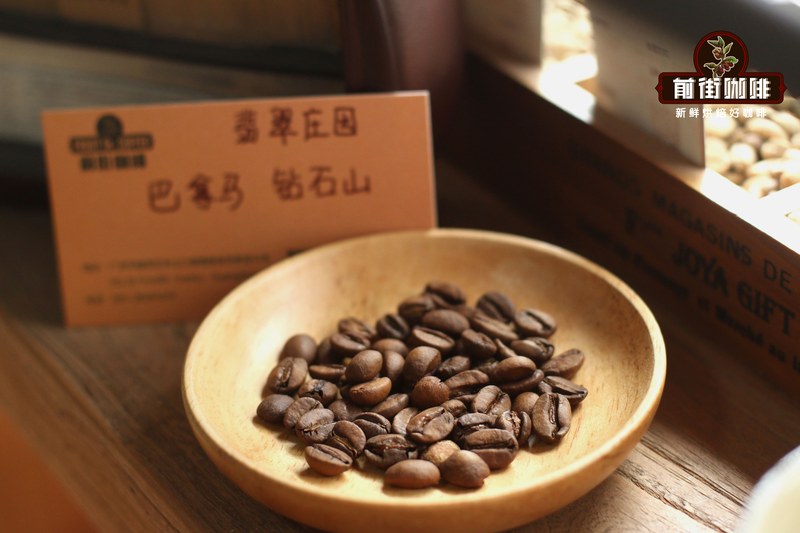
A certain brand’s Panamanian Emerald Estate Red Label Geisha requires a bit more patience for the flavors to meld. Around two weeks post-roast, jasmine-like aromas, bright citrus acidity, and the freshness of bergamot gradually harmonize, with even an elegant black tea-like finish emerging upon cooling. This bean is not recommended for evaluation on the day of opening. Try brewing on the 10th, 14th, and 20th days, using the same brew ratio to observe flavor changes. This helps you pinpoint your preferred drinking window more accurately.
A certain brand’s Yirgacheffe Guddina is well-suited for a one-cup-per-week pace. In the early degassing stage, bright citrus tones and floral characteristics are more prominent. As time progresses, the sweetness of berry notes becomes rounder, and the green-tea-like aftertaste becomes clearer. If you prefer a light and bright pour over flavor, you can start trying from the seventh day. For cold drinks, it’s suggested to wait until the flavors are fully integrated before making cold brew—the acidity will be softer, and the overall profile more enjoyable for savoring.
The flavor evolution of each coffee bean is, in fact, part of the joy of exploration and tasting. It’s recommended to record the roast date, opening time, and sensory impressions from each brew. After a few rounds of experimentation, you’ll gain a clearer sense of whether you prefer the vivid initial burst of aromas or the fuller later-stage expression of sweetness and aftertaste. By purchasing in moderation, storing properly, and patiently degassing, the unique flavors of specialty coffee beans will be fully revealed at their optimal rhythm.
The above content is compiled by CoffeeHunters, a coffee news website.

