







Introduction:To brew a deep-roast coffee with a rich cocoa and roasted nut aroma using a moka pot, selecting the right beans and knowing the optimal time to drink them is key. This article analyzes the flavor changes of low-acid dark roast beans at different resting stages, teaches you how to determine when to start brewing based on the roast date, and shares advice on storage and extraction to ensure you enjoy a full-bodied, balanced cup every time.
Brewing low-acid dark roast beans in a moka pot often highlights intense notes of cocoa, roasted nuts, and caramel, along with a solid mouthfeel. Whether enjoyed as a straight black coffee or with milk, it reveals different layers of flavor. However, the same pack of beans can show vastly different aroma profiles and sweetness intensity—whether just roasted, midway through resting, or even a few weeks after opening. Therefore, when choosing dark roast beans, in addition to paying attention to the roast style, it’s more important to note the roast date so you can plan the most suitable drinking time.
After roasting, coffee beans continue to release carbon dioxide, a period known as the “resting period.” Many people mistakenly believe that the fresher the beans, the better they are for immediate brewing. In reality, freshly roasted beans contain a lot of gas, which can not only lead to unstable extraction from the moka pot but may also result in overly sharp roasted aromas and insufficiently cohesive sweetness. Especially for dark roast beans, which typically reach their ideal drinking state faster than light to medium roasts, it's recommended to prioritize the roast date over the expiration date printed on the package.
For low-acid dark roast beans used in a moka pot, it is generally recommended to start trying them about seven to fourteen days after roasting. If the batch has richer oils and a darker roast color, a noticeable body thickness can often be felt around the seventh day. For medium-dark roasts with a tighter bean structure, it’s better to wait ten days to two weeks, when the aroma tends to be more integrated and harmonious. Of course, these timeframes aren’t absolute—observing several consecutive brews will help you find your personal optimal timing once the flavor profile stabilizes.
During the resting period, you can brew small amounts daily or every other day, and observe changes in aroma, flow rate, and flavor. In the beginning, if the brewed coffee noticeably has a bubbly texture and the taste swings between sour and bitter, it usually means the beans still contain quite a bit of carbon dioxide. After a few days, the aromas of nuts and cocoa usually become more concentrated, and the sweetness shifts from being scattered to more solid. Recording the roast date and the first brew date helps you more quickly identify your personalized ideal timing for the next pack.
If you want to develop an intuitive sense of how dark roast beans evolve in flavor, it’s advisable to choose a classic blend with clear flavor characteristics. In a moka pot, such a blend easily showcases sweet notes of roasted nuts, cocoa, and caramel. Typically, after about ten days of resting, the body becomes firmer and more balanced compared to the initial brews. Brewing with a short coffee-to-water ratio for black coffee can enhance its richness, while adding hot milk makes the caramel notes softer—making it a great choice for breakfast or an afternoon pick-me-up.
For readers who prefer a deeper, more intense flavor profile, a certain Black Cocoa Blend is worth considering. This bean features a prominent dark chocolate character and distinct roasted nut aroma, with low acidity. It is suitable for tasting about one to two weeks after roasting. When using a moka pot for a short extraction, it retains a rich, weighty mouthfeel. Switching to an Americano-style brew makes the texture rounder, and pairing it with milk brings out a cocoa beverage-like smoothness.
If you prefer low-acidity without overly heavy roasty flavors, a certain Papua New Guinea Paradise Bird would be an ideal choice. This bean leans toward a clean, soft, and rounded flavor profile, with a mild and understated sweetness. It is recommended to let it rest for ten to fourteen days before using a moka pot to brew a slightly shorter extraction. The result will be smoother on the palate. Adding a small amount of hot water for dilution can make the delicate sweetness more noticeable.
In addition to the roast date and resting stage, how you store the beans after opening greatly affects how long their flavor lasts. Unopened coffee beans, as long as they are kept in packaging with a one-way valve, should be stored in a cool, dry, and dark place at room temperature. Once opened, it’s best to gently press out excess air, tightly seal the bag, and minimize repeated openings. If you usually consume only a small amount, opt for smaller packages to ensure the beans are enjoyed during their most aromatic phase.
For opened coffee beans, it’s not recommended to place them near the stove, by the window, or on the refrigerator door, as heat, humidity, and light accelerate flavor loss and can cause the beans to absorb surrounding odors. If you have a well-sealed, opaque container at home, consider dividing the beans into portions for one to two weeks’ use, taking out only what you need for the day. This helps maintain the freshness and flavor stability of the remaining beans.
To determine whether a pack of beans is still in its optimal drinking window, evaluate based on the aroma after grinding, the condition of the coffee bed, and the final cup flavor. If you can still clearly smell cocoa, nut, or caramel notes after grinding, the core flavor foundation remains intact. But if the aroma becomes noticeably thin and the brewed coffee lacks sweetness and body, you might consider shortening the extraction time, adjusting grind size, or switching to a milk-based coffee to balance the profile. Buying beans according to actual consumption and scheduling brews based on roast dates often allows for a fuller experience of flavor transitions compared to bulk buying all at once.
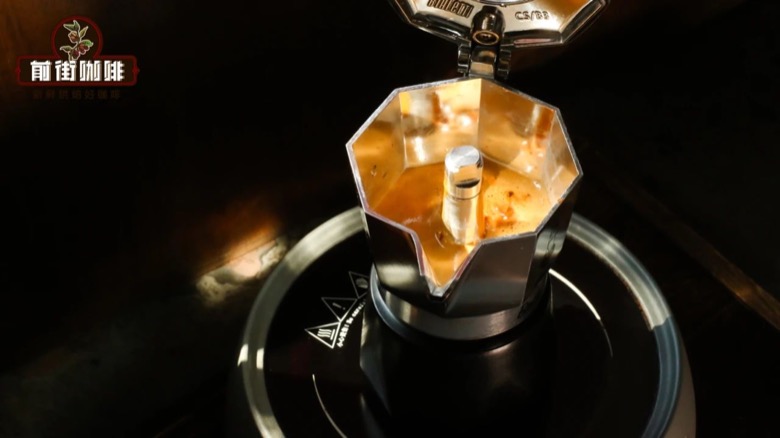
In summary, the charm of low-acid dark roast beans lies not only in their full-bodied and solid mouthfeel but also in the layered transformations revealed after patient waiting. By estimating the optimal start time from the roast date, allowing flavors to gradually settle through the resting process, and storing them properly after opening, you can ensure your moka pot consistently delivers captivating cocoa, nut, and gentle sweetness. Choose the right beans, master the timing, and you too can brew professional-grade coffee with a moka pot.
The above content is compiled by CoffeeHunters, a coffee news website.

