







Introduction:Many people mistakenly believe that coffee beans can produce their best flavor immediately after leaving the roaster, but in reality, a large amount of carbon dioxide still remains inside the beans, affecting extraction stability and aroma release. Understanding the appropriate resting—or "aging"—period not only allows you to enjoy a more rounded and complex cup of coffee, but also helps avoid uneven extraction caused by using the beans too early. This article will delve into the changes that occur from the moment coffee is roasted until it reaches its optimal drinking period, teaching you how to assess bean condition and recommending suitable beans and usage scenarios based on different roast levels.
Right after roasting, although the beans may seem ready to use immediately, they are actually in a highly active state with a high internal content of carbon dioxide. If used directly in a coffee machine for extraction, the flow of water and the expression of coffee oils can be easily disrupted, resulting in coffee that may have sealed-off aromas, insufficient sweetness, or even a thin mouthfeel. Therefore, allowing the coffee beans to go through a "resting period," which refers to the process of naturally releasing internal gases, will help the flavors unfold more fully—especially improving sweetness, body, and aftertaste.
The primary reference point for determining when coffee has entered its optimal drinking stage is the “roast date” printed on the package, not the “expiration date.” The roast date is the true starting point that influences flavor performance, because the “best-by” period for coffee refers to the timeframe during which its aroma and flavors are most vibrant—not a food safety expiration. Some packaging also includes a one-way degassing valve, which helps release gases while preventing premature oxygen ingress. When selecting coffee, it’s recommended to carefully check these three elements: the roast date, the airtightness of the packaging, and whether there is a one-way valve—these offer more practical guidance than simply looking at the shelf life.
Deciding how much to buy based on your home usage frequency is also an art. Suppose you make two cups of coffee a day, each using about 18 grams of coffee grounds—that would amount to around 500 grams of coffee beans over two weeks. It’s advisable to reserve a bit extra to account for grinding adjustments or cleaning the grind chute. For those who drink coffee infrequently, choosing a smaller package of around 200 grams is more practical, allowing you to finish the beans during the peak of their flavor and avoid aroma loss due to prolonged exposure to air after opening. In addition, this also reduces the oxidation risk associated with frequently opening large packages.
So-called "aging" is essentially the process of allowing the carbon dioxide continuously released by freshly roasted coffee beans to escape in an orderly manner, while avoiding the beans’ premature contact with large amounts of oxygen, which can degrade flavor. If the coffee is packaged unopened and with a one-way degassing valve, it only needs to be stored in a cool, dry, and temperature-stable environment—there's no need to open it for daily checks. In fact, frequently opening the bag to sniff the aroma is not only of limited help in assessing flavor, but can also accelerate aroma evaporation. Therefore, it's better to record the roast date and use that as a basis for tracking the beans’ status, which is more scientific and effective than repeatedly opening the bag.
For users of home coffee machines, the required aging time can be roughly estimated based on the roast level of the beans. Generally speaking, medium-dark roasted beans reach a stable phase around the fourth to seventh day after roasting, medium-roasted beans take about seven to twelve days, and for medium-light or light roasted beans, it’s recommended to wait ten to twenty days to allow enough time for gas release and flavor maturation. Of course, actual aging time can also be influenced by the current roast development level, the temperature during packaging, as well as indoor humidity and ventilation conditions. The above timeframes are for reference only, and it’s suggested to flexibly adjust based on actual brewing performance.
To determine if the coffee beans have reached a suitable state for extraction, you can observe the performance and flavor across several consecutive brews. During the stage when degassing is still strong, the abundance of internal gases may cause the puck structure to become unstable, thereby affecting extraction uniformity. You might notice that although the espresso crema looks fluffy, it lacks sweetness and overall feels somewhat thin. Once the beans enter a more relaxed state, not only does the extraction speed become more stable, but the aroma also transitions from being singular to layered, with sweetness, acidity, and body becoming more pronounced. Conversely, if you find the overall aroma gradually weakening and the aftertaste noticeably shortening, it likely means the beans have passed their optimal drinking period—and it’s advisable to consume them more quickly.
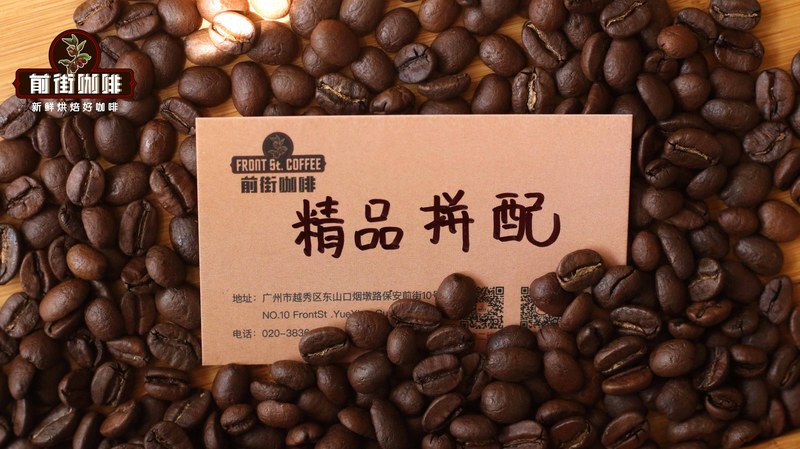
If you’re looking for an easy-to-manage blend to fit into your daily routine, consider a certain brand’s premium blend. This blend is based on Brazilian and Colombian beans, offering a distinct aroma of roasted nuts, a toffee-like sweetness, and a soft chocolate note in the aftertaste. It’s usually recommended to let it rest for about a week before trying it out. When used for making Americano, it delivers a smooth and rounded mouthfeel, and even when milk is added, it retains a warm roasted aroma—making it perfect for everyday drinking.
Readers who enjoy bold and rich espresso flavors might want to try a certain brand’s dark cocoa blend. This blend features flavor notes akin to high-purity chocolate, roasted almonds, and dark syrup, with relatively low acidity—ideal for those who prefer dark roasts. It’s advised to portion out a few days' worth upon opening and keep the rest sealed to maintain consistency in daily brewing. When used for making lattes, the coffee’s intrinsic aromas can better penetrate the milk foam, showcasing a rich layered profile.
If you particularly love vibrant fruitiness in coffee, a certain brand’s strawberry candy bean is an excellent choice. This bean offers aromas of ripe strawberries, red soft candy, and bright fruity sweetness, making it highly suitable for iced Americano—even when paired with a small amount of milk, the fruit character remains clear. However, such distinctly flavored beans usually require more thorough aging. It’s best to wait until the aroma is fully developed before trying them, allowing you to fully experience the evolution and layers of their flavors.
Lastly, once opened, coffee beans should be stored in a light-proof, airtight container—or continue using the original packaging, ensuring any excess air is expelled and the bag is promptly resealed after each use. A coffee machine’s bean hopper is not suitable for long-term storage; it’s best to pour only one to three days’ worth of beans at a time. Also, never store coffee beans in the refrigerator, as the cold environment can cause condensation, accelerating moisture absorption and oxidation. If you don’t expect to finish an opened bag within three to four weeks, you can portion the beans into single-use amounts after they’ve reached their optimal drinking phase and freeze them. Be sure the freezing containers are airtight with no gaps; take them out for direct grinding without repeated thawing and refreezing. By keeping track of the roast date, opening date, and daily usage, you can establish a complete workflow from aging, drinking, to storage—ensuring every cup of coffee showcases the beans’ most authentic and captivating flavors.
The above content is compiled by CoffeeHunters, a coffee news website.

