







Introduction:The flavor of dark roast pour over beans evolves over time, shifting from intense smokiness to rounded sweetness. This transformation is closely related to when you open the bag and how long you let the beans degas. This article will delve into the optimal drinking stage for dark roast beans before brewing, including the degassing period, flavor transition points, and storage tips, helping you grasp the best extraction timing for a deeper coffee experience.
When brewed using pour over, dark roast coffee beans often exhibit aromas of cocoa, roasted nuts, and caramel. With proper water temperature control, they can also deliver a smooth aftertaste. However, these beans are not ready to enjoy right out of the bag after roasting. The rate of degassing, the time of opening the package, and the storage method all significantly affect their aroma purity, body, and overall cleanliness.
To determine whether dark roast pour over beans have reached an optimal extraction stage, the key factor is the “roast date,” not the “expiration date” printed on the packaging. Freshly roasted coffee beans still contain a large amount of carbon dioxide. Brewing them immediately not only makes it difficult for water to evenly penetrate the coffee bed but may also bring overly strong smokiness or a rough mouthfeel. It is recommended to let the beans rest for several days to a week until their flavors shift from intense to mellow before brewing.
The so-called “resting period” refers to the process of allowing coffee beans to naturally release internal carbon dioxide, but longer storage does not necessarily mean better. Generally speaking, due to the deeper roasting level, dark roast beans tend to degas faster than light roasts. Therefore, it is suggested to start trying pour over brewing from the 5th to the 10th day after roasting. If the batch is roasted darker with an oily surface, you may delay brewing until the 10th to 14th day, when the flavors often become more rounded and stable. However, the actual best drinking time should be determined by your actual taste experience.
The so-called “best-by period” is not the same as the shelf life printed on the packaging. It is more akin to a phase where the beans exhibit their optimal flavor characteristics, and this golden window is influenced by multiple factors such as roast level, packaging design, transportation conditions, and storage environment. Generally, dark roast pour over beans within 1 to 4 weeks after roasting can usually present a more complete sweetness and body; however, even if the aroma gradually weakens beyond this period, proper storage can still maintain their value for pour over brewing.
When purchasing dark roast pour over beans, it is advisable to choose products clearly labeled with roast dates and decide the quantity based on your personal consumption. For individual daily use of one cup, a 100–150 gram pack is recommended to help finish the beans before significant flavor changes occur. For shared use among multiple people, larger packs can be considered. In addition, selecting packaging with a one-way degassing valve, tight sealing, and no obvious signs of moisture can help the beans go through the degassing phase more smoothly.
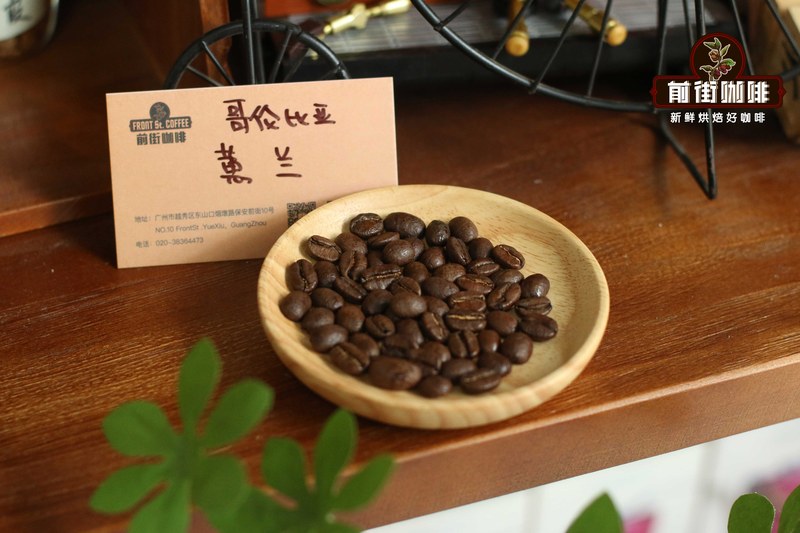
Taking commonly available dark roast blends in the market as an example, some recipes emphasize layered flavors of roasted nuts, cocoa powder, and caramel sweetness. These beans may have more direct aromas upon opening, but after a few days of resting, the mouthfeel becomes more rounded. For black coffee lovers who prefer a full-bodied taste, it is suggested to start pour over brewing around the 7th day after roasting. Slightly lowering the brewing water temperature at this point can better highlight their sweet and mellow qualities.
There are also dark roast blends that focus on dark chocolate and roasted nut profiles, with subdued acidity, making them suitable for those who do not enjoy highly acidic or bright flavors. These beans might show prominent roasty aromas upon opening, but after about a week, the richness of dark chocolate becomes more integrated. They are not only great for pure black coffee but can also be paired with a small amount of milk to create a richly flavored coffee beverage.
If you wish to try dark roast pour over without overly heavy mouthfeel, you can opt for beans with a relatively fresh and balanced flavor profile, such as certain blends with Blue Mountain-style characteristics. These beans typically taste best between the 7th and 12th day after roasting, balancing smooth texture with clear aromas. They perform gently when hot, and their sweetness becomes more noticeable as they cool.
After opening, dark roast coffee beans should be stored in a cool, dry, and dark place, away from environments with strong odors such as stoves, windowsills, or spice cabinets. After each use, the excess air in the bag should be expelled as soon as possible and the seal tightly pressed. If the original packaging is not convenient for storage, transfer the beans to an opaque container with a sealing ring. Under normal home conditions, frequent refrigeration is unnecessary, as the humidity and food odors in the fridge can negatively affect bean quality.
For storage, it is recommended to keep the beans in whole bean form and grind them just before brewing. Grinding too early significantly increases the contact area between coffee powder and air, leading to rapid aroma loss. If a pack of beans is expected to take more than a month to finish, consider dividing them into several portions and sealing them securely to reduce oxidation caused by repeated opening. Ensure the containers used for portioning are clean and dry, and avoid introducing moisture through scooping tools.
You can taste each pack of dark roast pour over beans in segments along a timeline: during the initial opening, try a small brew first to observe the degassing; around the 7th to 10th day, further notice changes in sweetness, body, and aftertaste; if the aroma begins to weaken after two or three weeks, shorten the pour time or reduce stirring to make extraction cleaner. It’s recommended to briefly record flavor impressions every few days, which helps identify the optimal drinking time tailored to your personal taste.
Choosing dark roast pour over beans is not only about selecting your favorite cocoa or nut profiles, but also planning the entire journey from roast date to the end of consumption. Mastering appropriate purchase quantities, understanding when to start brewing based on the degassing stage, and storing them correctly ensures that every pour over offers clear and anticipated flavor expression.
The above content is compiled by CoffeeHunters, a coffee news website.


