







Introduction:Light-roast coffee beans often highlight floral and fruity notes, but even within the "light roast" category, the differences between early light, regular light, and near-medium-light roasts can lead to vastly different experiences in acidity and sweetness. This article breaks down the characteristics of floral beans across varying roast levels—from pour over parameters to changes during storage—and teaches you how to pick the beans that suit your palate best, as well as how to brew them to bring out vibrant flavors.
When you open a bag of light-roast floral coffee beans, you’ll often be greeted by the fresh aromas of petals, citrus, or berries right away, and the first sip delivers a bright, tangy sweetness. But if you really want to unlock the bean’s full potential, don’t just rely on the “light roast” label—you also need to pay attention to whether it falls into the early light roast, regular light roast, or is already approaching medium-light roast. Just a few minutes’ difference in roasting time can completely transform the character of the entire cup.
Beans roasted on the lighter side typically retain more of the origin’s original characteristics, with bright and diffusive aromas, lively acidity full of vibrancy, and a taste as refreshing as fresh fruit or floral tea. These beans are ideal for those who enjoy layered flavors and are willing to savor the aromas in detail—especially when brewed using a pour over method, where the subtle shifts in flavor can be more easily appreciated. If you usually prefer refreshing drinks, these beans are a great place to start, but make sure to provide sufficient extraction conditions so that their captivating aromas aren’t limited to just the olfactory experience.
Moving slightly deeper within the light roast range, the coffee’s sweetness and mouthfeel become more stable. The floral notes may no longer be as sharp, and the fruit acidity transitions from a bright, jumping sensation to a rounder texture, often presenting a rich profile in the cup akin to jam, honey, tea broth, or ripe fruit. This level of roasting is more approachable for everyday drinking—it retains the fresh scent of flowers and fruit without making the mouthfeel feel too thin, making it suitable for coffee lovers who want both aromatic freshness and a satisfying body.
If a product is labeled as “medium-light roast,” it usually yields a more noticeable sweetness compared to extremely light roasts, and the edges of acidity are also softer. When brewed with hot water using a pour over method, the flavors may lean towards the sweetness of ripe fruit and honey-like floral notes; when made into iced coffee, the refreshing quality remains distinctly perceptible. For consumers just beginning to explore floral beans, medium-light roast is a great transitional choice—it allows the palate to gradually adapt to the unique acidity of light-roast beans while still enjoying a clear sense of coffee sweetness.
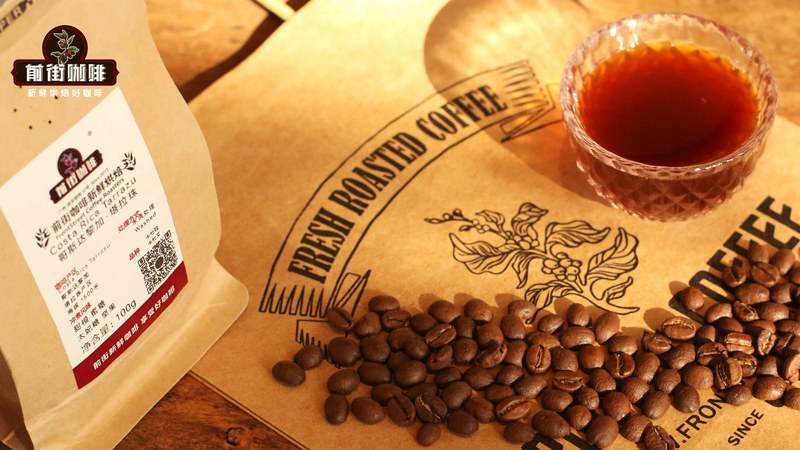
When selecting beans, it’s recommended to consider both the roast level and the flavor descriptions on the packaging. If you see terms like “jasmine, orange blossom, citrus, berries, tropical fruits,” it usually indicates that the beans have more pronounced aromas and acidity. If words like “honey, jam, brown sugar, tea broth” are also listed, it often means the roast hasn’t stayed at the very lightest end, and the sweetness and roundness will be more evident. Reading the information this way helps you find beans that match your personal taste better than simply searching for “light roast.”
When brewing light-roast floral beans, factors like water temperature, grind size, and pouring technique all influence the final flavor profile. For beans roasted on the lighter side, it’s recommended to use relatively higher water temperatures and finer grind sizes, which help fully develop the internal floral and fruity notes. If you find the flavors in the cup to be too thin or the acidity too upfront, you can appropriately increase the extraction time or water volume. As for medium-light roast beans, you can start with gentler parameters to first experience the sweetness, then adjust the concentration based on the actual taste to achieve a balance between aroma and richness.
Storage time can also alter your perception of roast level. Freshly roasted light-roast beans may have very intense aromas, but after a proper resting period, the sweetness and acidity integrate better, and the outline of the floral notes becomes smoother. It’s recommended to choose products with clear roast dates and specific flavor descriptions when purchasing, and decide on the package size based on your own consumption pace. There’s no one-size-fits-all “perfect answer” for light-roast floral beans—the key to long-term enjoyment is finding the roast balance point where aroma, sweetness, and mouthfeel all feel comfortable to you.
The above content is compiled by CoffeeHunters, a coffee news website.

