








Introduction:Don’t have an espresso machine but still want to enjoy rich, golden-creamed coffee at home? The Moka pot is the answer that Italian households have embraced for nearly a century. This illustrated guide breaks down the Moka pot’s structure and steam-pressure brewing principle, outlines a six-step process from filling water to grinding beans and adjusting heat, explains how to choose coffee beans, common mistakes to avoid, and safety tips. It also compares the pressure designs of three Bialetti models, helping beginners master all the key techniques of using a Moka pot in one go.
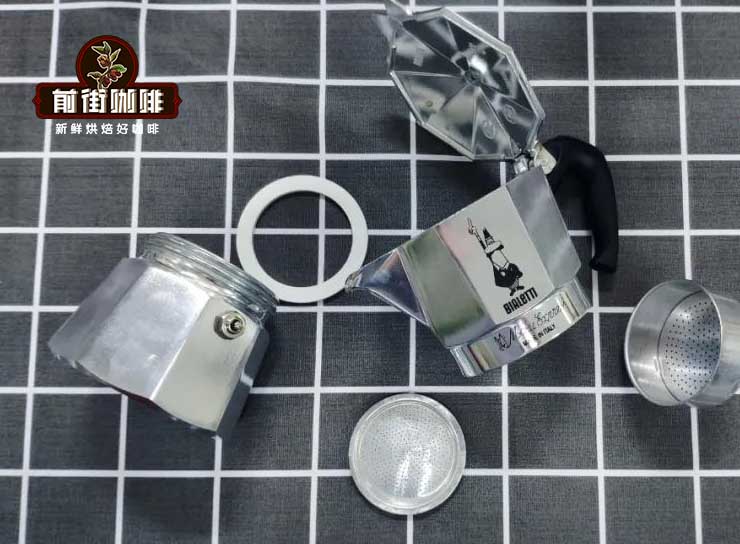
Among the many home coffee brewing tools,the Moka pot is the one closest to an espresso machine—it also uses pressure to drive extraction, producing a strong, crema-topped coffee similar to espresso, which is why it has long held a cherished spot in Italian kitchens. Invented in 1933 by Italian engineer Alfonso Bialetti, this stovetop brewer operates through bottom-heating and falls under the category of percolation brewing. It’s also the most affordable and beginner-friendly among various espresso-style brewing devices.
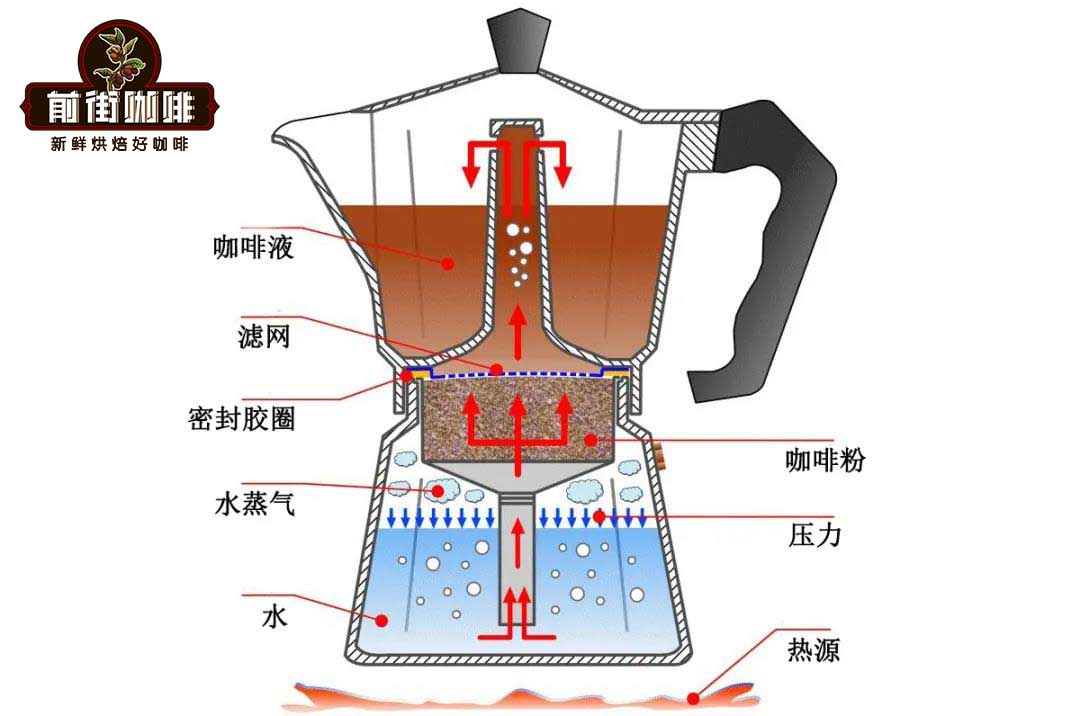
Breaking down its structure, the Moka pot consists of three main parts:The lower chamberis the water-heating reservoir,the coffee chamberholds finely ground coffee,and the upper chambercollects the brewed coffee. Its working principle is straightforward: water in the lower chamber is heated, turns to steam, and builds up pressure. Once the pressure is strong enough to push through the coffee grounds in the filter basket, the hot water is forced upward into the upper chamber, where richly flavored coffee is produced.
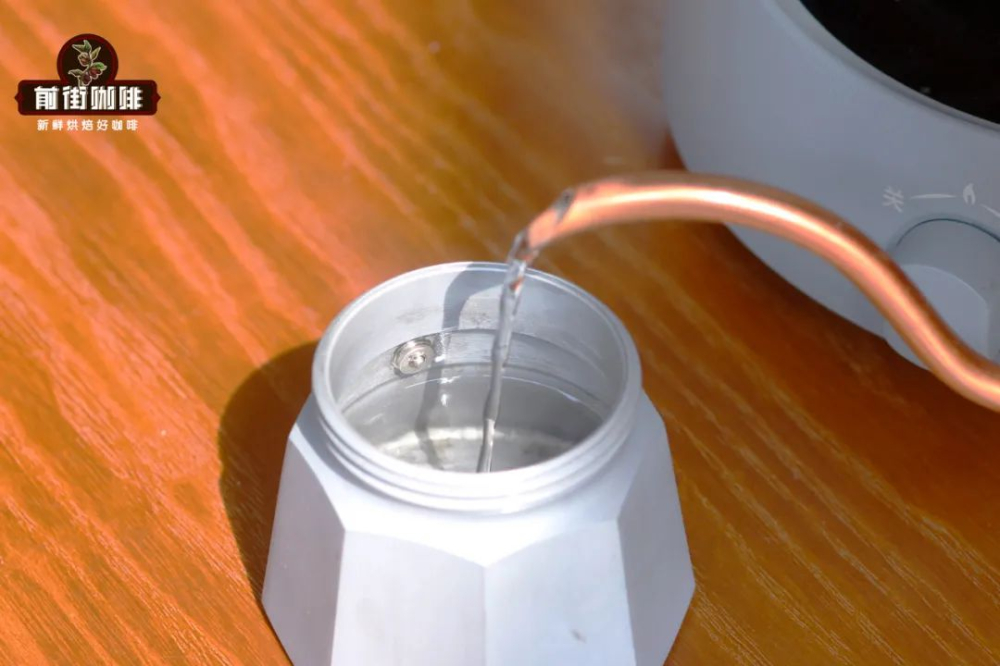
Before you start, gather your equipment: a Moka pot, a gas stove and stand (or an induction or ceramic stove), coffee beans, a grinder, and clean drinking water. Step one is filling the lower chamber with water—keep the water level about 0.5 cm below the safety valve. The safety valve is the Moka pot’s pressure relief mechanism, so when filling, it's better to err on the side of too little water rather than risk filling it to or above the valve.
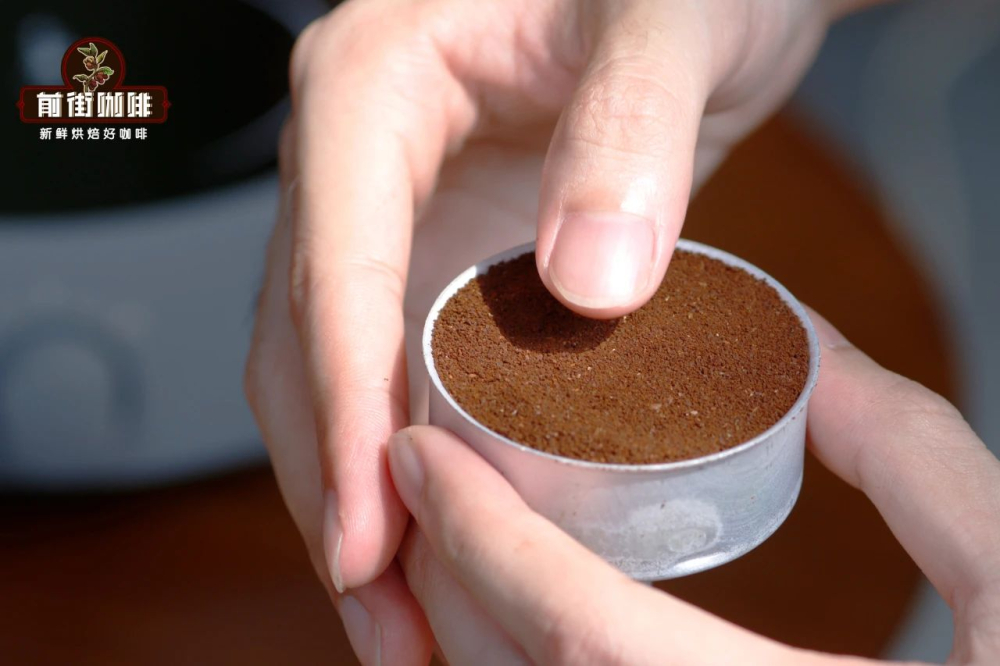
Step two is preparing the coffee grounds. Grind size should beslightly coarser than espresso. A simple way to check: compare the grind size to the size of the holes in the filter basket—if the coffee particles don’t fall through the holes, it’s fine. Add the grounds slowly, gently tap the basket to help the coffee settle evenly, form a small mound, then use a leveling method to flatten the surface. Here’s a key tip:the coffee chamber must be completely full, but there’s no need to tamp it down firmly like an espresso portafilter. Filling it fully ensures even density in the coffee bed—any gaps or unevenness will cause water to flow through the path of least resistance, leading to over-extraction in some areas and under-extraction in others, resulting in imbalanced flavors and potential bitterness.
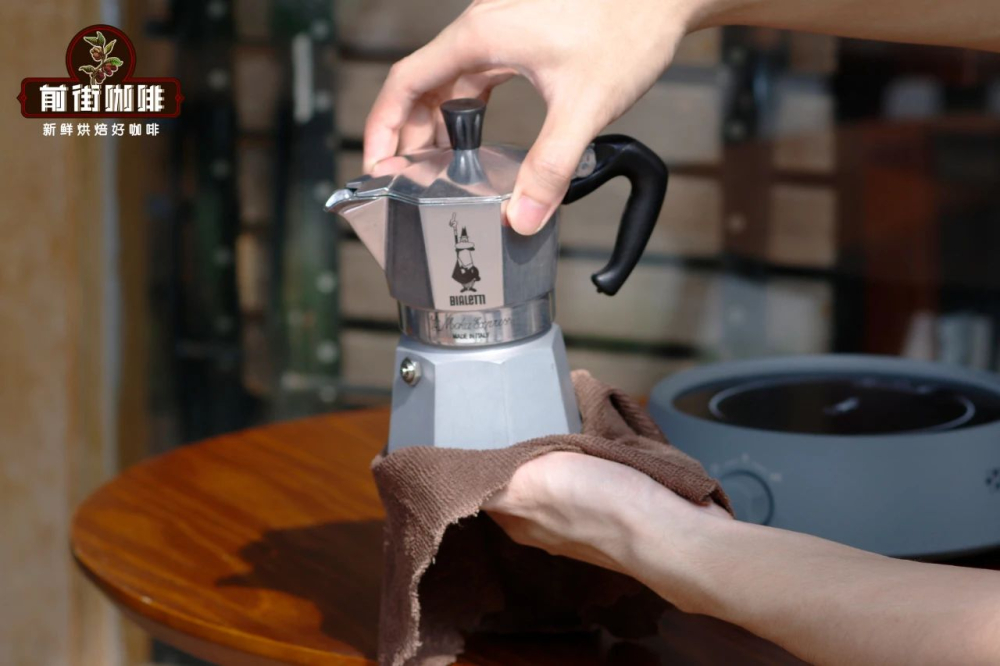
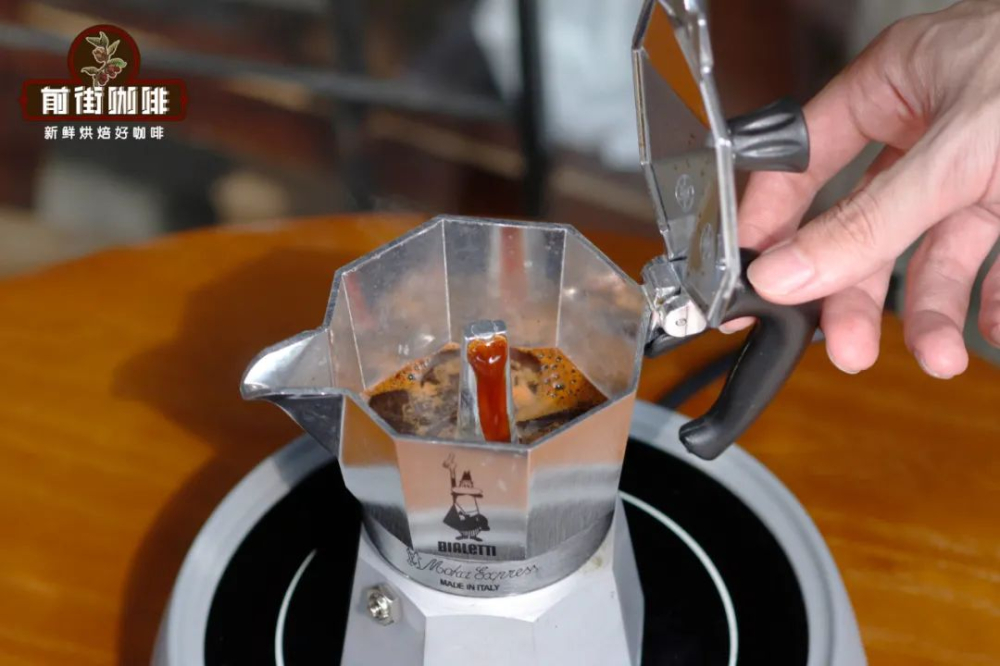
Step three is assembly: place the filled coffee chamber into the lower chamber, screw the two parts tightly together, wipe the base dry with a cloth, then place the Moka pot on the stove and heat over high flame. Step four is knowing when to reduce the heat: once the pot heats up and you hear a distinct “wuuu” sound from inside, lower the flame and open the upper chamber’s lid to monitor the flow of coffee.
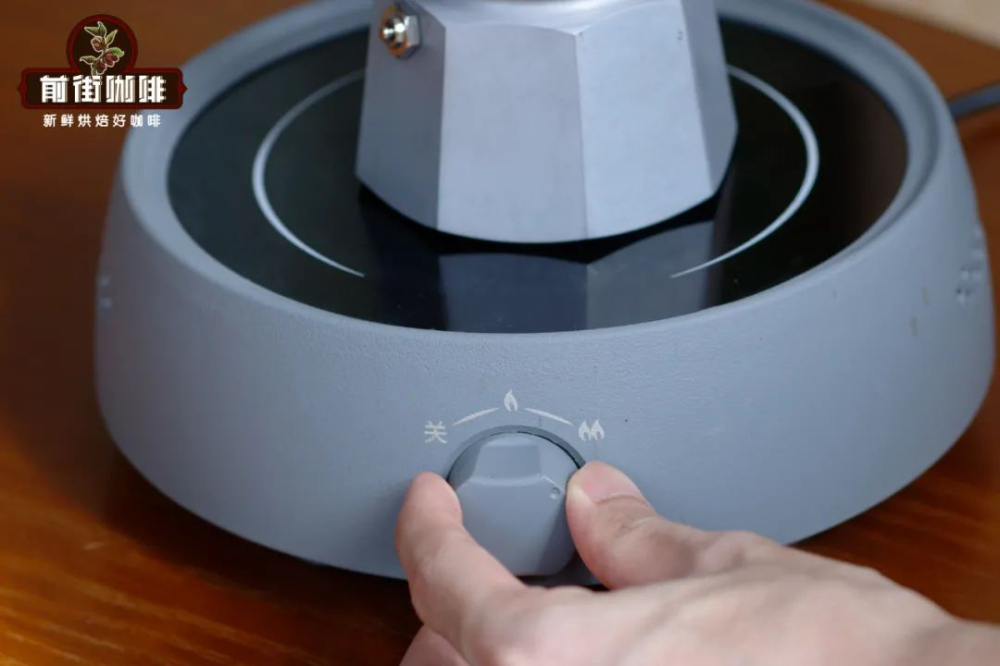
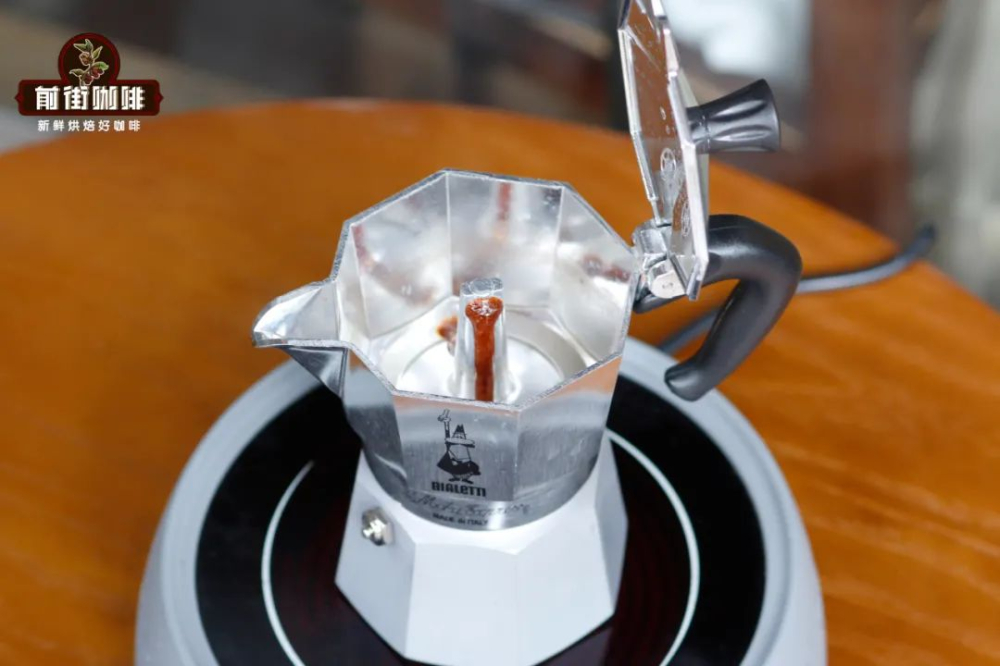
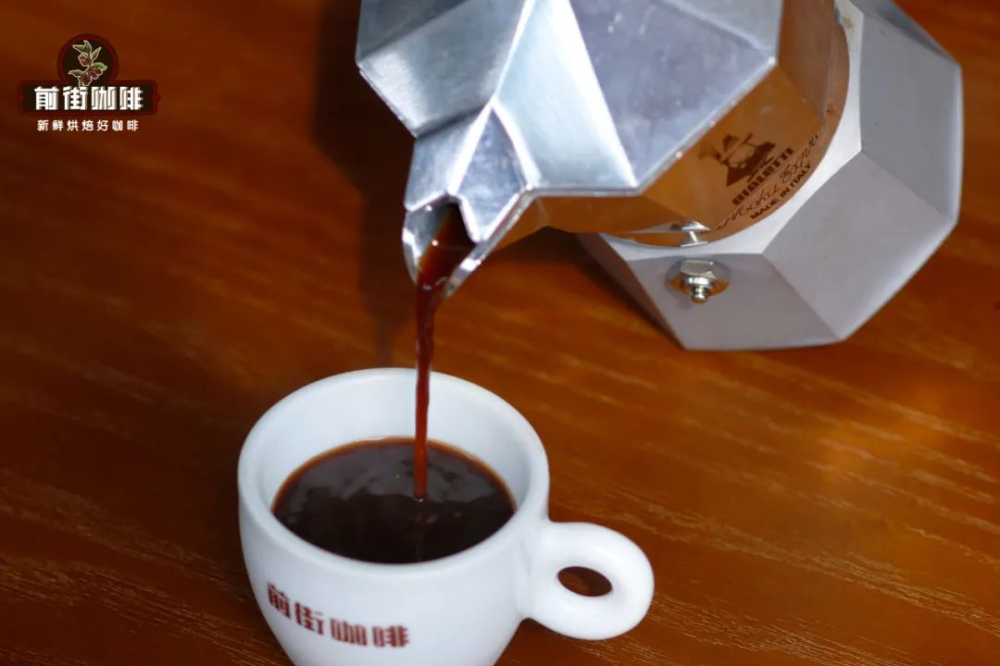
Step five is knowing when to turn off the heat: once about half of the coffee has flowed into the upper chamber, turn off the stove. The remaining coffee will be pushed up by the residual heat and pressure, eliminating the need to heat all the way through and helping avoid unwanted bitter notes from excessive heat later on. Step six, once all the coffee has entered the upper chamber, it’s ready to pour and enjoy. The coffee brewed with a Moka pot is very strong and producesa layer of crema, making its taste the closest among all brewing methods to that of espresso. You can enjoy it straight, or dilute with hot water or milk to suit your preference.
There are four important safety and operational reminders: First,never let the water level in the lower chamber exceed the safety valve, as that can prevent proper pressure release and lead to dangerous situations; second, the Moka pot gets extremely hot during and after use—never touch it directly to avoid burns; third, the way the coffee flows out is a clue to the brewing temperature—if the coffee bursts out forcefully, the temperature is too high, while a slow drip means the temperature may be too low, in which case you should increase the heat slightly; fourth, the entire brewing process takes place under pressure,so controlling the heat is crucial for safety—never leave the stove unattended during brewing.
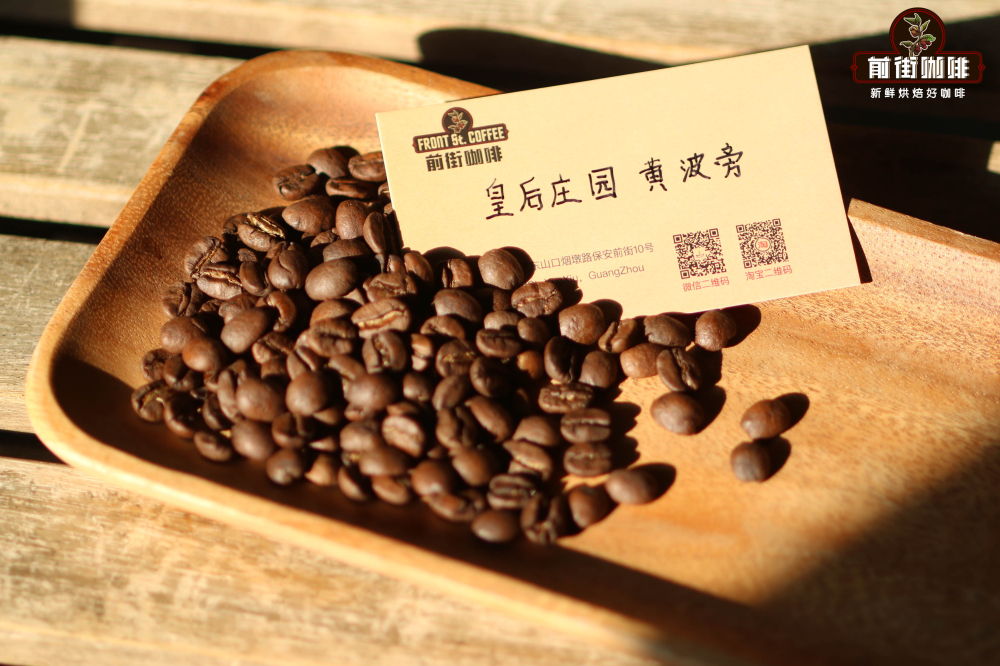
When selecting coffee beans, since the Moka pot uses pressurized brewing,coffee beans with a darker roast tend to produce richer crema. A good example is the Yellow Bourbon from Fazenda Rainha in Brazil’s Mogiana region, grown at an altitude of about 1400 to 1950 meters and processed using the natural (sun-dried) method. This bean, roasted to a medium level, highlights sweet sugary notes while maintaining the balanced flavor Brazilian beans are known for. When brewed with a Moka pot, it yields not only rich crema but also aromas of peanuts and almonds, with tasting notes of chocolate, nuts, and cane sugar. Overall, it presents flavors of nuts, buttery peanuts, cane sugar, and soft fruit acidity.
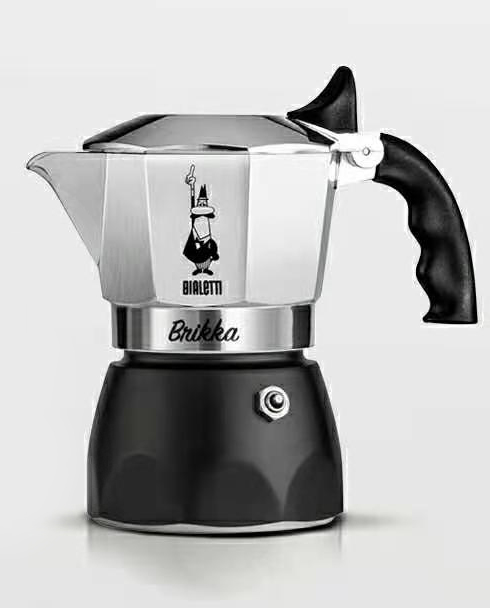
The brewing device itself is evolving. Bialetti recently released a new generation of pressurized Moka pots, and as of around January 22nd, numerous review videos have emerged online. Currently, there are three models available: the basic single-valve model without pressurization, the older gravity-based double-valve model, and the new double-valve model that usesan internal hydraulic layerfor pressurization. The biggest design difference among the three lies in their pressurization mechanisms: the single-valve model has no pressurization feature, the old double-valve relies on a gravity-based system, while the new one replaces that with an internal hydraulic layer. This change brings two practical benefits—easier cleaning and better coffee quality. Multiple comparison videos point to the same conclusion: the single-valve model produces less crema that dissipates quickly; both pressurized versions yield noticeably more crema, with the new model producing thicker, creamier crema that also lasts longer.
The above content is compiled by CoffeeHunters, a coffee news website.


