







Introduction:The floral expression of coffee is actually greatly influenced by the degree of roasting. From fresh and bright white flowers and citrus notes to rich cocoa and nutty tones, different roast levels impart distinctly different aromatic and flavor profiles. This article will help you understand how light, medium, and dark roasts shape floral characteristics, and provide practical bean selection and brewing advice, making it easier for you to find floral coffee that suits your taste.
The floral flavors in coffee are incredibly diverse, not only related to origin, variety, and processing method, but also significantly influenced by roast level. Light roasts typically preserve more of the original characteristics, allowing bright aromas such as white flowers, orange blossom, jasmine, and even tea-like notes to shine; medium roasts add caramel sweetness and ripe fruit tones alongside floral elements; as for dark roasts, floral notes often take a backseat, giving way to dominant cocoa, nutty, and toasted flavors. If you’re looking to find your perfect cup, start by considering roast level, then refine your choice based on your personal flavor preferences.
Floral notes in light roasts are usually more direct and vibrant—just one pour can bring out aromas reminiscent of fresh flowers, citrus peel, or tea leaves. On the palate, the acidity is clear and bright, and as the cup cools, you might even detect sweet aftertastes like fruit candy, honey, or fruit juice. These types of beans are especially well-suited for pour over or iced pour over, and they’re ideal for black coffee lovers who enjoy a clean, refreshing taste. If you’re new to the world of coffee, starting with the floral notes of a light roast is a great choice.
Take, for example, a well-regarded light roast floral bean on the market. Its aroma often features traits of jasmine and citrus, offering a light-bodied mouthfeel followed by a refreshing bergamot-like note, with an aftertaste that’s clean and comforting, reminiscent of black tea. When brewing, it’s recommended to slightly lower the water temperature to avoid excessive bitterness from too much heat, which allows the floral notes to present more gently. With careful brewing, these beans can exhibit exceptionally layered aromas and flavors.
Even among light-roasted beans, the profiles can vary widely. For instance, some display more pronounced fruity-floral characteristics, with lively citrus acidity in the foreground, berry aromas emerging in the mid-palate, and a green-tea-like sweetness lingering in the finish. For such beans, a slightly finer grind is recommended when pour over brewing to better release their aromatic and acidic-sweet layers; if the acidity feels too prominent, cold brew is also a good alternative, resulting in a rounder overall mouthfeel and floral notes that take on a more gentle, fruit-tea-like quality. Remember, water temperature control and pouring technique greatly affect the final balance—small adjustments can make the coffee much more enjoyable.
Moving to medium roasts, floral notes become more subdued, no longer as vibrant, but when blended with caramel, honey, ripe fruit, and cocoa tones, the overall flavor profile becomes richer. Unlike light roasts, which emphasize a single aromatic note, or dark roasts, which quickly lean into distinct roasty flavors, medium roasts offer a balanced experience where floral and body-rich qualities can coexist. When selecting medium-roast floral beans, look for descriptions that include terms like flowers, dried fruit, tea, caramel, or honey—these are often indicators of a well-balanced sweetness and mouthfeel.
When pour over brewing medium-roast floral beans, maintaining a moderate water temperature and steady pouring rhythm helps sustain the fragrance in the early sips while bringing out the sweetness in the mid-palate, creating a more complete flavor experience. Some beans, particularly those with pronounced tropical fruit characteristics, may express vibrant and lively flavors when brewed hot, while iced pour over can highlight the fruitiness even more. For those preferring a gentler taste, cold brew is also a good adjustment— it tames the acidity and makes the fruit sweetness rounder.
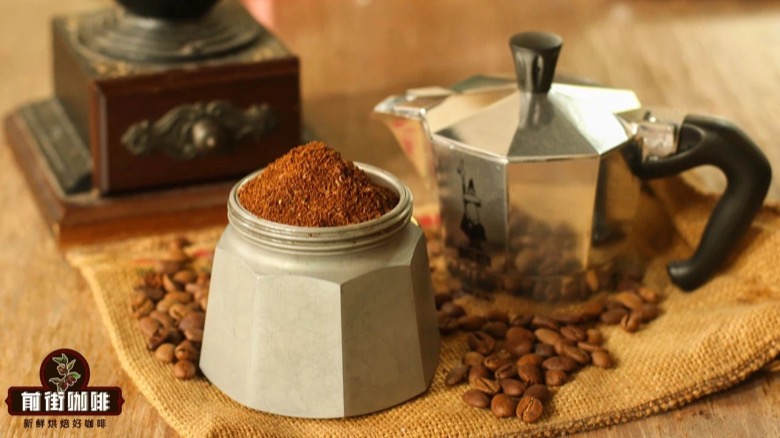
As for dark roasts, although in most cases floral notes are not as directly apparent as in light or medium roasts, they can still sometimes be faintly detected. After prolonged roasting, volatile floral compounds are significantly reduced, giving way to intense notes like dark chocolate, roasted nuts, caramel, and smokiness. If floral notes are present at all, they often appear as background aromas resembling dried flowers, spices, or dark fruits—subtle yet layered. Such coffees are often paired with milk-based drinks like lattes, or brewed using methods like mocha pot or espresso, where milk softens the acidity while enhancing sweetness and body, making the faint floral nuances a refined accent within the cup.
No matter which roast level of floral coffee you prefer, when selecting your beans, besides paying attention to keywords like “floral,” “tea-like,” and “citrus,” be sure to check the roast date for freshness and review the brew recommendations provided by the seller. At the same time, the brewing method itself has a major impact on flavor expression—adjusting water temperature, grind size, and pouring technique appropriately can effectively enhance the balance between aroma and taste. Clarify the kind of cup experience you’re aiming for, then make your selection based on roast depth, acid-to-sweetness ratio, and body preference. A perfect cup of floral coffee is just around the corner.
The above content is compiled by CoffeeHunters, a coffee news website.

