








Introduction:Washed-process coffee beans are known for their clean and bright flavor profiles, while the degree of roasting directly determines the balance of acidity and sweetness, as well as the overall mouthfeel structure. This article provides an in-depth analysis of the differences between light, medium, medium-dark, and dark roasted washed beans, along with bean selection tips and practical brewing techniques. Whether you're a pour over enthusiast, a milk coffee fan, or just getting started, you'll find the right roasting and extraction approach for your taste.
Washed-process coffee beans are distinguished by their distinct acidity profile and clean finish, and the level of roasting is key to shaping these characteristics. Light roasting preserves strong regional origin features and native aromas, medium roasting enhances sweetness and body, while dark roasting brings caramel, cocoa, and toasted notes to the forefront. When selecting, it’s recommended to first check the roast level indicated on the packaging, then choose based on your preferred drinking style.
If you prefer bright floral notes, pronounced fruity aromas, and a refreshing mouthfeel, light roasted washed beans are a great starting point. These beans typically feature lively acidity, often delivering vibrant citrus, berry, and even stone fruit flavors, with a tea-like clarity and aftertaste in the mid-palate. Pour over and iced pour over are very suitable extraction methods; if you usually take your coffee with sugar or milk, the delicate aromas of light roasts are less likely to be masked—adjust your ingredient ratios to fully appreciate their nuances.

For brewing light roasted washed beans, the focus is on balancing acidity and sweetness rather than amplifying one at the expense of the other. Using too low a water temperature or too coarse a grind can lead to thin and sharp flavors; conversely, too high a temperature or too long a contact time may introduce unpleasant astringency. Beginners are advised to try a medium-fine grind, control flow rate through pulse pouring, and reassess overall flavor once the coffee has slightly cooled. In many cases, additional layers of sweetness emerge during cooling.
Medium roasted washed beans suit those who want clear flavors without sacrificing body. The caramelization reactions in this roast range transform original fruit acids into rounder sweetness, resulting in a more balanced cup with a more stable finish. Suitable not only for pour over, but also widely used in Americano and some milk coffees—especially ideal for households with diverse tastes, where one bean variety can offer varied expressions.
Taking medium roasted washed beans as an example, the cup often opens with a clear citrus note, followed by mellow fruit aromas like ripe peach as the cup cools, ending with an aftertaste reminiscent of oolong tea. When pour over brewing, there's no need to pursue excessively high extraction yields—maintaining even water flow and natural speed will easily yield a cup that is both light and sweet. It also performs surprisingly well as an iced Americano, retaining refreshing fruit character.
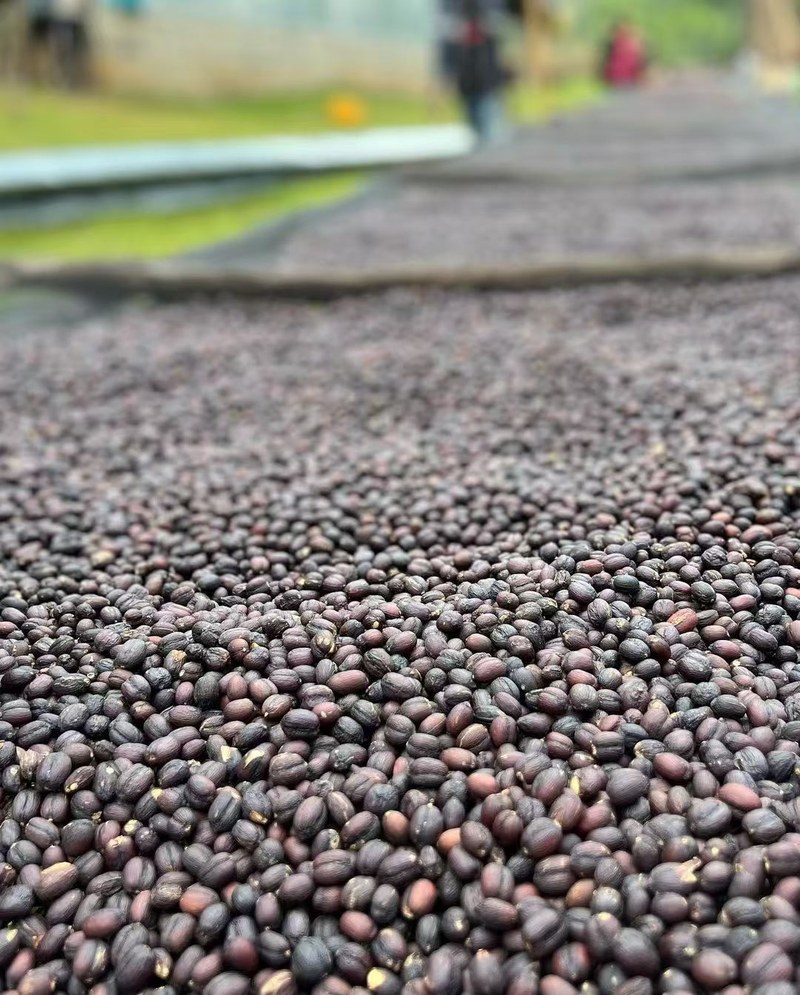
For those who prefer lower acidity, fuller body, and pronounced roasted aromas, medium-dark or dark roasted washed beans offer another option. Though the clean characteristics of washed processing remain discernible, the overall flavor profile shifts toward dark chocolate, roasted nuts, caramel, and even subtle smoky notes—making them better suited for espresso, moka pot, or milk coffee brewing methods, delivering a rich and layered drinking experience. When purchasing, look for keywords like “full-bodied,” “cocoa,” or “caramel” on the packaging to help gauge the expected flavor direction.
It’s worth noting that dark roasting doesn’t necessarily equate to bitterness. In fact, the brewing method has a huge impact on the final outcome. For instance, when using a moka pot with dark roasted washed beans, it’s advisable to keep the coffee bed loose, avoid overly high heat, and stop heating promptly once the brew color begins to lighten to prevent over-extraction. If using an espresso machine, start with a shorter extraction ratio to avoid accumulating excessive bitterness in the later stages. For milk-heavy drinks like lattes, using a more concentrated espresso base ensures the coffee character isn’t completely overshadowed by milk aroma.
Even within the same roast level, factors like bean variety, origin, and freshness can significantly influence the final flavor, so relying solely on labels like “light roast” or “medium roast” isn’t enough for a full assessment. It’s recommended to purchase small sample packs for tasting, compare them consecutively, and observe the nuanced differences in floral and fruity notes, sweetness texture, or cocoa cleanliness of each bean, then make a choice based on your personal taste preferences.
In summary, when choosing washed coffee beans, consider roast level as your entry point for flavor exploration: pour over lovers can seek clear aromas in light or medium roasts, those who enjoy pure black coffee daily may opt for medium roast for balanced body, while milk coffee or moka pot users might explore medium-dark roasts. Once you’ve identified your direction, adjusting grind size, water temperature, and drink ratios will make the clean and crisp characteristics unique to washed beans easier to fully express in the cup.
The above content is compiled by CoffeeHunters, a coffee news website.

