








Introduction:Honey-processed coffee beans, due to retaining some of the fruit mucilage, develop unique sweetness and fruity notes during the drying process. However, their flavor profile is highly influenced by the degree of roasting. Light roasts highlight bright fruity aromas and vibrant acidity, making them ideal for pour over; medium roasts enhance sweetness and body, suitable for daily drinking; medium-dark roasts showcase caramel and chocolate tones, perfect for pairing with milk or making espresso. Understanding the key pairings between roasting and brewing helps you find your favorite honey-processed beans more quickly.
Honey processing is a method where the outer skin and pulp of the coffee cherry are removed, but part of the mucilage layer is retained for sun drying. This technique imparts rich sweetness, fruity aromas, and a smoother, more rounded mouthfeel to the beans. However, even with the same processing method, different roast levels can significantly alter the final flavor profile in the cup. Honey-processed beans at light, medium, and medium-dark roast stages each exhibit distinctly unique personalities, and roast level can actually serve as an important reference point for selection and brewing.
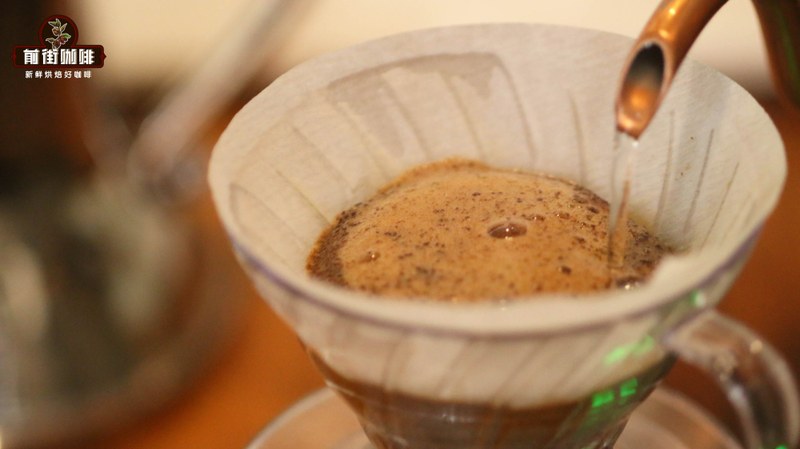
If you enjoy bright citrus, floral, and berry-like aromas, it’s recommended to prioritize light-roast honey-processed beans. Due to the shorter roasting time, more of the bean’s original terroir characteristics are preserved. These beans often have a clear and lively acidity, and these aromas tend to become even more pronounced as the coffee cools. Such beans are very suitable for pour over brewing, and it’s advised to use a medium-fine grind along with a pulse pouring technique, which helps achieve a cleaner and lighter mouthfeel.
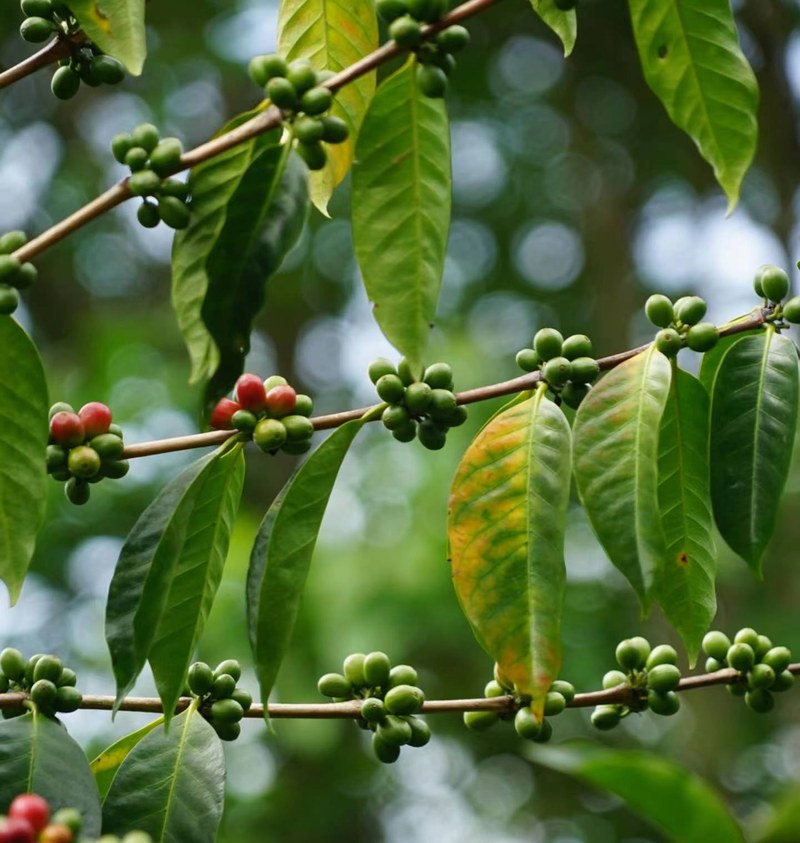
For example, some light-roast honey-processed beans from Ethiopia may emit aromas of citrus peel and white flowers during brewing, gradually revealing berry notes, with a finish reminiscent of the subtle aftertaste of light tea. To fully appreciate their bright acidity and layered aromas, hot pour over is recommended; if you prefer a softer acidity and sweetness, cold brew is also a great option, as it can effectively mellow the acidity and enhance the juicy sweetness. Additionally, if you prefer a chilled drink, ice pour over can also help concentrate the aromas, making it especially enjoyable in the summer. If the flavors seem too sharp upon tasting, it’s advisable to first check the grind size and pouring speed rather than assuming the beans simply aren’t to your taste.
If you hope to strike a balance between fresh fruitiness and stable sweetness, then honey-processed beans roasted between light and medium are an excellent choice. This roast level usually doesn’t overly emphasize acidity, resulting in a rounder overall mouthfeel and a more substantial finish. Whether brewed via pour over or used to make iced coffee, it presents a more harmonious flavor structure. When purchasing, pay attention to the product’s flavor description; if terms like “fruit,” “syrup,” or “tea-like” appear together, it often indicates that the beans offer good aroma transition and layered expression.
For instance, some medium-roast honey-processed beans may combine aromas of tropical fruits and berries, with vivid acidity and sweetness that remain noticeably fruity even as the temperature drops. Pour over can highlight their distinct juice-like layers, while ice pour over makes the overall mouthfeel even more refreshing. Cold brew further reduces any harshness, making the overall drinking experience as smooth as drinking rich juice. No matter which brewing method you choose, you can enjoy the fun of balancing sweetness and acidity.
Moving into the medium-roast range, honey-processed beans are better suited for consumers seeking a daily drink that’s easy on the palate and has a smooth texture. This roast level, through moderate caramelization, offers richer sweetness and a fuller body, while the acidity becomes more restrained, resulting in a more rounded and satisfying cup. For pour over, it’s recommended to use a slightly lower water temperature than that for light roasts, which helps avoid over-extraction that could lead to astringency. If using a sharing pot for multiple servings, the impact of temperature changes on flavor can also be more clearly perceived.
For example, some medium-roast honey-processed beans from African regions often evoke associations with ripe tomatoes, sour plums, and light syrups, offering both acidity and sweetness without being cloying, and the finish does not linger solely on sour notes. Pour over can preserve their refreshing juice-like qualities, while making iced Americano highlights the refreshing quality and sustained finish after cooling. This type of honey-processed bean is a very user-friendly choice for daily drinking or office brewing.
As for medium-dark-roast honey-processed beans, their flavor focus often shifts toward cocoa, caramel, toasted sugar notes, and a full-bodied mouthfeel, with the original fruity tones taking a backseat. These beans are particularly well-suited for making espresso with a moka pot or espresso machine, or for adding milk to prepare drinks like lattes and cappuccinos. They’re especially fitting when paired with breakfast items such as bread or buttery foods, creating a warm and satisfying drinking experience. During brewing, care should be taken to control extraction time to avoid over-extension, which could let burnt bitterness overpower the sweetness. Proper extraction helps ensure the sweetness remains noticeably present on the palate.
If you have both pour over equipment and an espresso machine at home, it’s recommended to first confirm whether the roast level of your purchased honey-processed beans suits your primary brewing method. Light-roast beans demand higher stability in grind size and water temperature, medium roasts offer greater flexibility for adjustments, and medium-dark roasts can showcase richer textures and layers in espresso preparation. Regardless of which roast level you choose, it’s suggested to start with a small pack to experiment through several consecutive brews, gradually identifying whether you value aroma, sweetness, or body the most.
Finally, a reminder: paying attention to the roast date and packaging information is equally important. The freshness of honey-processed beans directly affects aroma release and sweetness expression. Newly roasted beans are advised to undergo a brief resting period, allowing the flavors to harmonize further before brewing. Recording each brew’s coffee-to-water ratio, grind size, water temperature, and your tasting notes can help you gradually establish your own optimal extraction parameters, enabling each honey-processed bean to reach its fullest potential.
In summary, light-roast honey-processed beans excel at highlighting fruity and tea-like notes; medium roasts strike a good balance between sweetness and acidity; medium-dark roasts focus more on body and roasty aromas. Depending on your preferred brewing method and taste preferences, starting your selection based on roast depth can often help you find your ideal go-to beans more quickly than simply looking at the origin name.
The above content is compiled by CoffeeHunters, a coffee news website.

