







Introduction:Want to brew rich and flavorful coffee with a moka pot but always struggle to get the hang of it? This article delves into the structure and working principles of the moka pot, guiding you step-by-step through the correct operation process—from coffee grind size, coffee dosage, water control to suitable coffee bean types—and debunking common extraction mistakes. Whether you’re a beginner or an experienced user, you’ll find practical adjustment tips here.
In the past, due to the high price and limited accessibility of home espresso machines, the moka pot—affordable and capable of producing strong coffee in large quantities—became the top choice for many coffee enthusiasts. As coffee culture has become more widespread, the moka pot has remained popular not only in households for its ease of use and great value, but also as a handy brewing tool for many office workers. However, many users, especially when first trying it out, often fail to extract coffee with the desired flavor due to unfamiliarity with the operation. The following will give you a comprehensive understanding of the moka pot and help you master its correct usage.
[The Structure and Working Principle of the Moka Pot]
The moka pot mainly consists of three parts: thelower chamberthat holds the water,thecoffee chamberwhere the coffee grounds are placed, and theupper chamber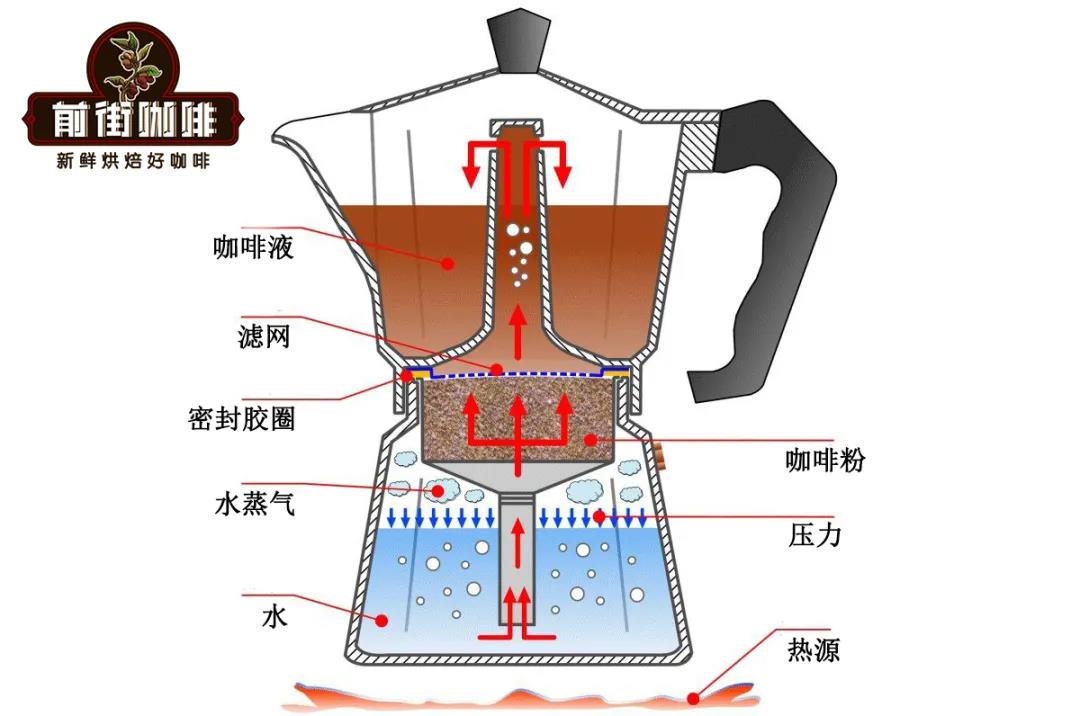
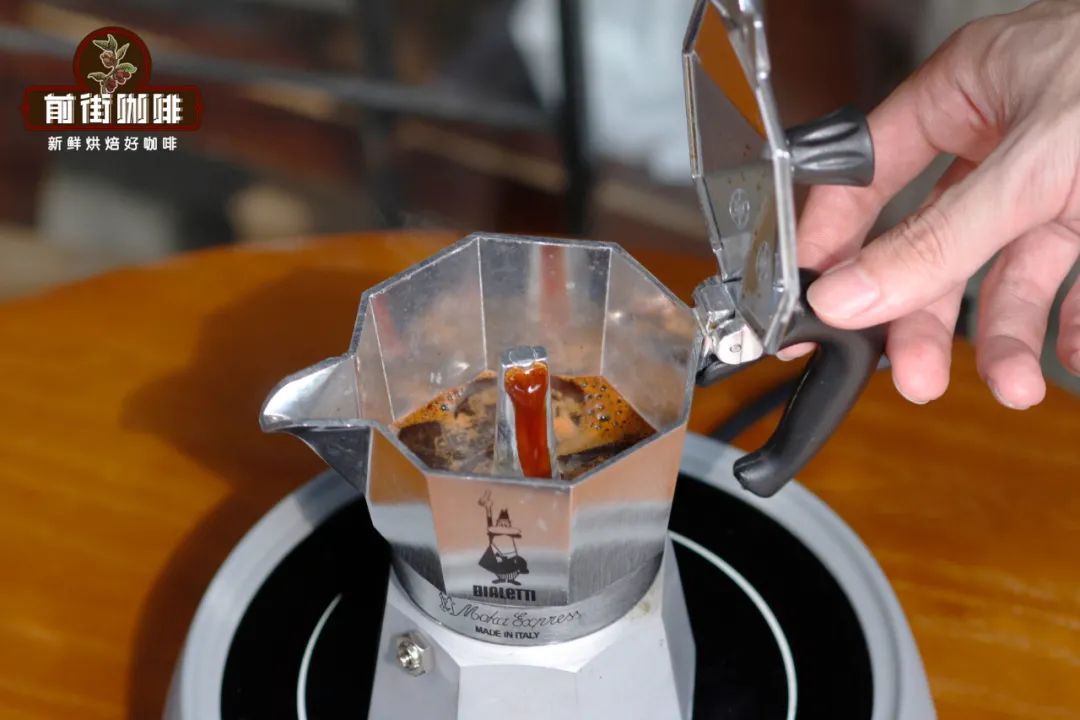
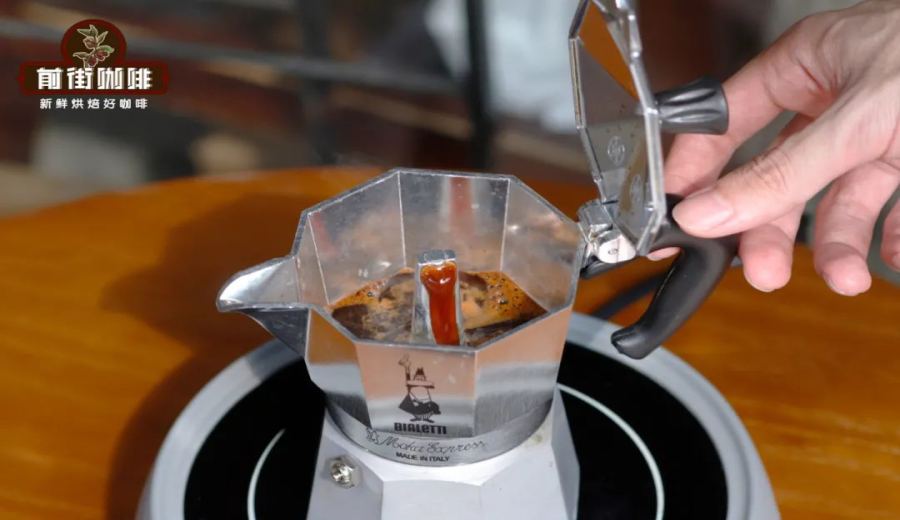
that collects the brewed coffee. Its working principle is quite straightforward: when the lower chamber is heated, the water temperature gradually rises to boiling point, turning into steam and creating pressure. As the pressure builds up to a certain level, the hot water is pushed upward through the middle coffee chamber, extracting flavors from the coffee grounds as it passes through, and finally carries the rich coffee essence up into the upper chamber, forming the familiar strong coffee liquid.
[Coffee Grind Size: The Key Factor in Extraction]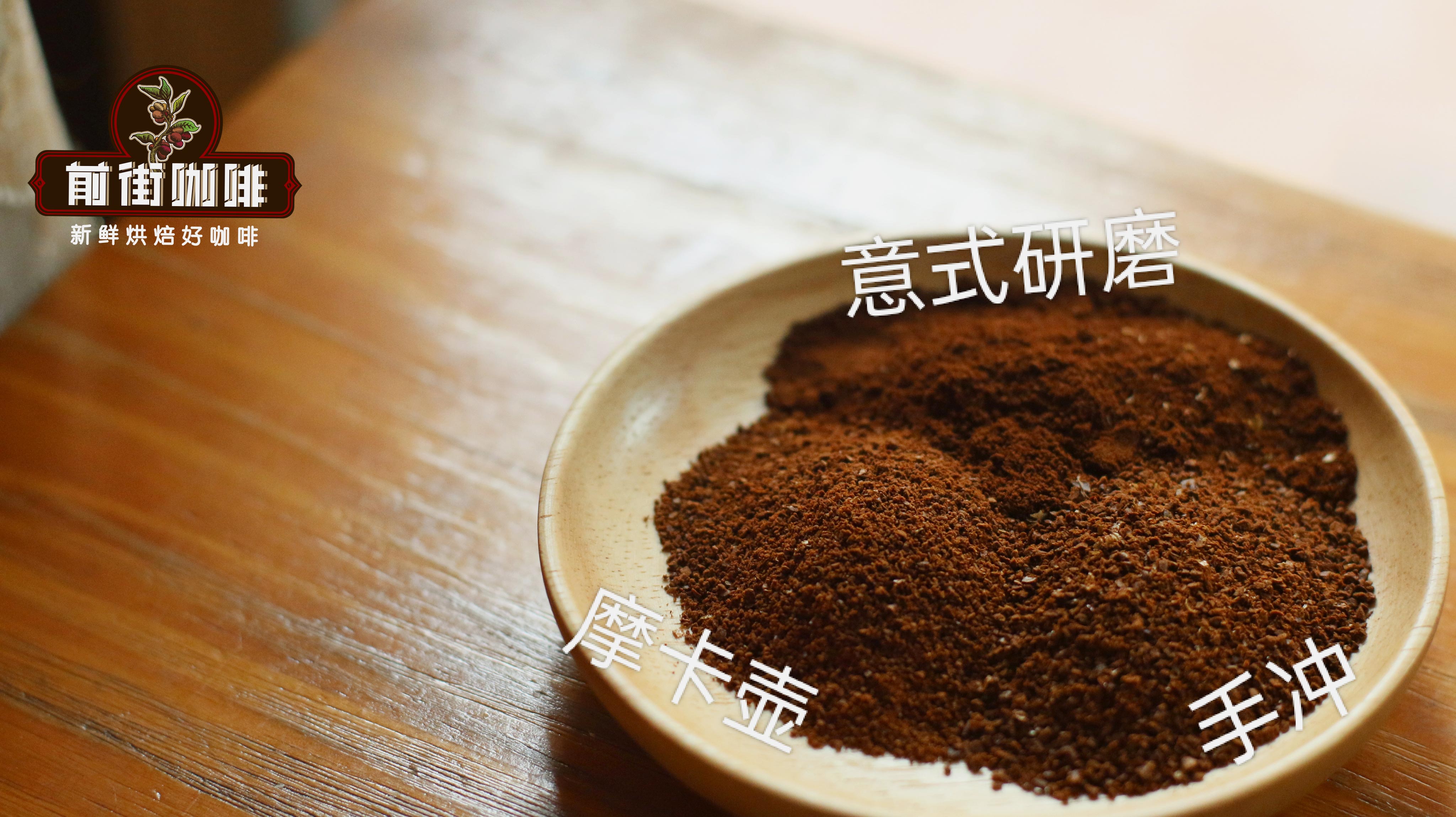 The moka pot has specific requirements for coffee grind size, but compared to other brewing methods, it is somewhat more forgiving. However, a grind close to that used for espresso—very fine—is still ideal, as it helps achieve an extraction effect similar to that of espresso.
If the grind is too coarse (for example, similar to the coarse sugar grains used in pour over or the fine powder used in Turkish coffee), the coffee puck won’t create enough resistance, causing the hot water to pass through too quickly and fail to fully extract the coffee flavors, resulting in under-extraction. On the other hand, if the grind is too fine, it will significantly increase water resistance, not only prolonging the extraction time but also risking the danger of the pot exploding due to excessive pressure. If you notice that no coffee is dripping out even after heating for a long time, turn off the heat immediately and recheck the grind size to ensure safety.
[Recommended Coffee Dosage: Level with the Rim of the Coffee Chamber]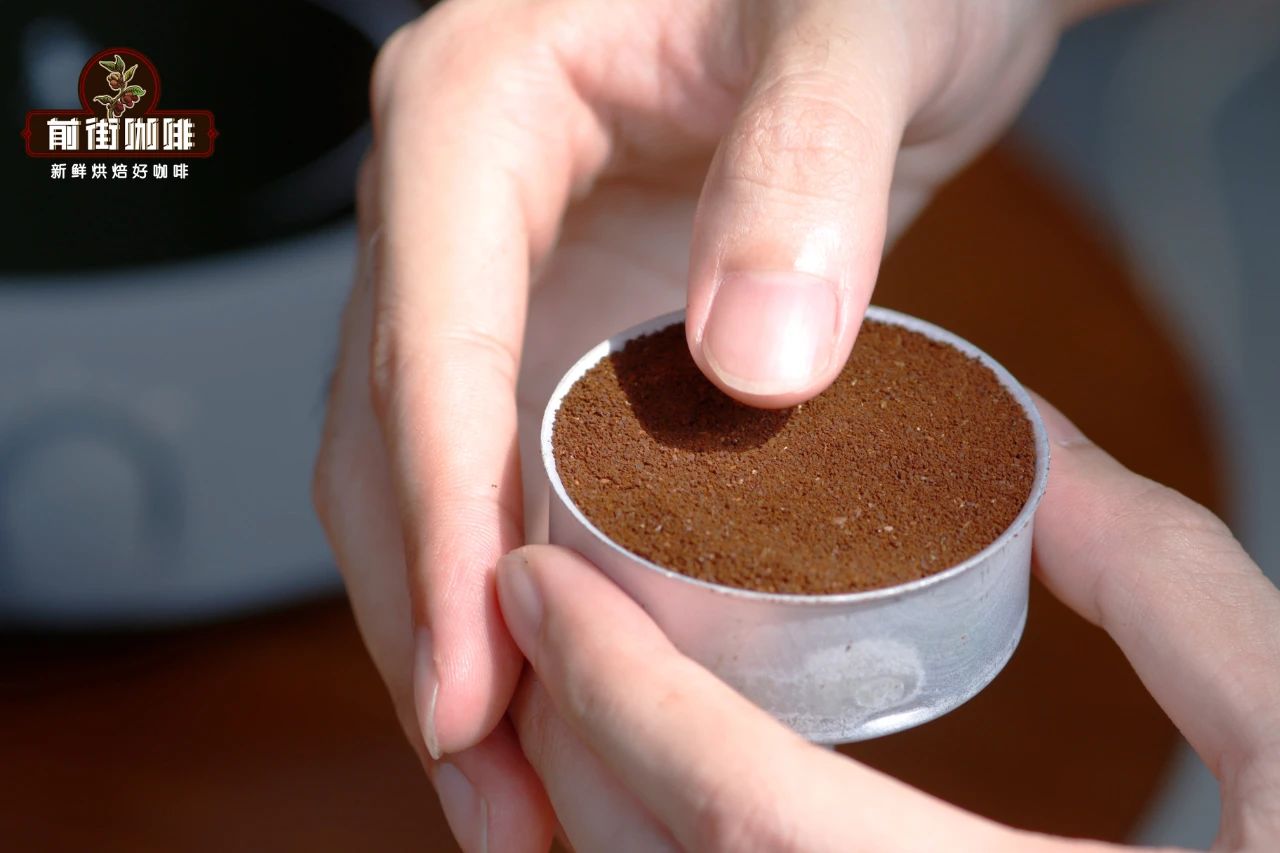 Different models of moka pots may have varying recommended coffee dosages, and the grind size also affects the volume of the coffee. It’s worth noting that, for the same weight, finer coffee grounds take up less space, which might mean that even if you follow the official recommended amount, differences in grind size can still impact extraction. To allow more room for adjustment, it’s recommended to fill the coffee chamber to the brim and level it with the rim. This method ensures stable extraction performance across different grind conditions.
It’s a good idea to record the amount of coffee used each time to facilitate future adjustments and optimization.
[Water Control: Pay Attention to the Position of the Pressure Relief Valve]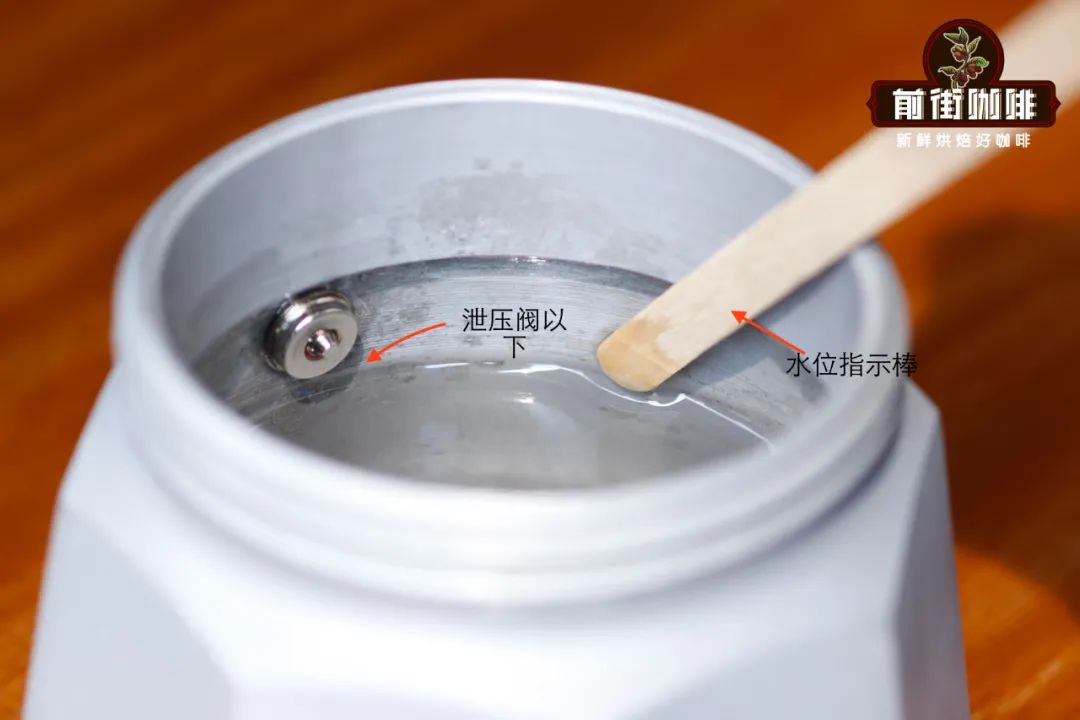 The water level in the lower chamber of the moka pot is also a key factor affecting extraction. Looking inside the lower chamber, you’ll find a metal valve called the "pressure relief valve," which functions to release excess steam when the pressure gets too high, preventing the pot from cracking due to uncontrolled pressure.
Therefore, when adding water, make sure the water level does not exceed the pressure relief valve, as doing so will reduce its safety function and increase the risk of usage. For precise control and future adjustments, it’s recommended to use a measuring tool to measure the water and record the amount used each time.
[Choosing Coffee Beans: Adjust Roast Level Based on Your Needs]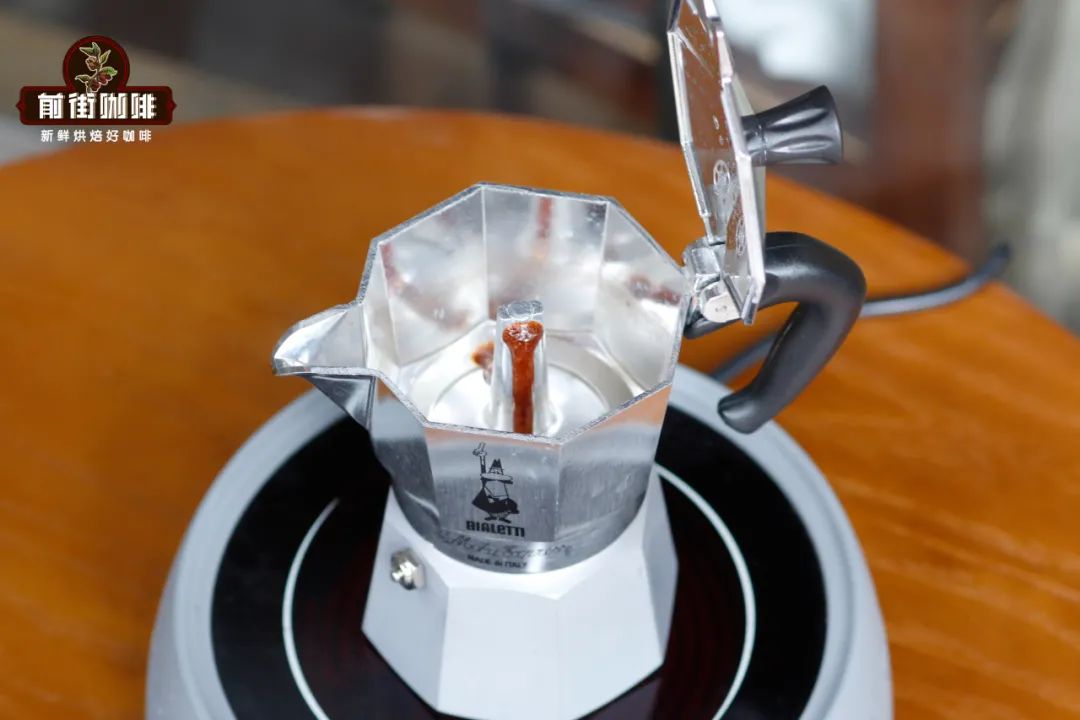 The moka pot is actually suitable for most types of coffee beans—the key is to choose based on your brewing goal. If you want to brew coffee that pairs well with milk, such as for making lattes, it’s recommended to choose dark roasted beans with strong bitterness and a full body. These beans produce enough crema and their flavors won’t be completely masked by the milk.
Conversely, if you prefer a lighter, cleaner black coffee, you can opt for light roasted beans with bright characteristics like floral or fruity notes, which can showcase a fresher taste profile. When selecting bean varieties, it’s recommended to adjust based on your preferred flavor direction.
[Moka Pot Operation Steps and Practical Tips]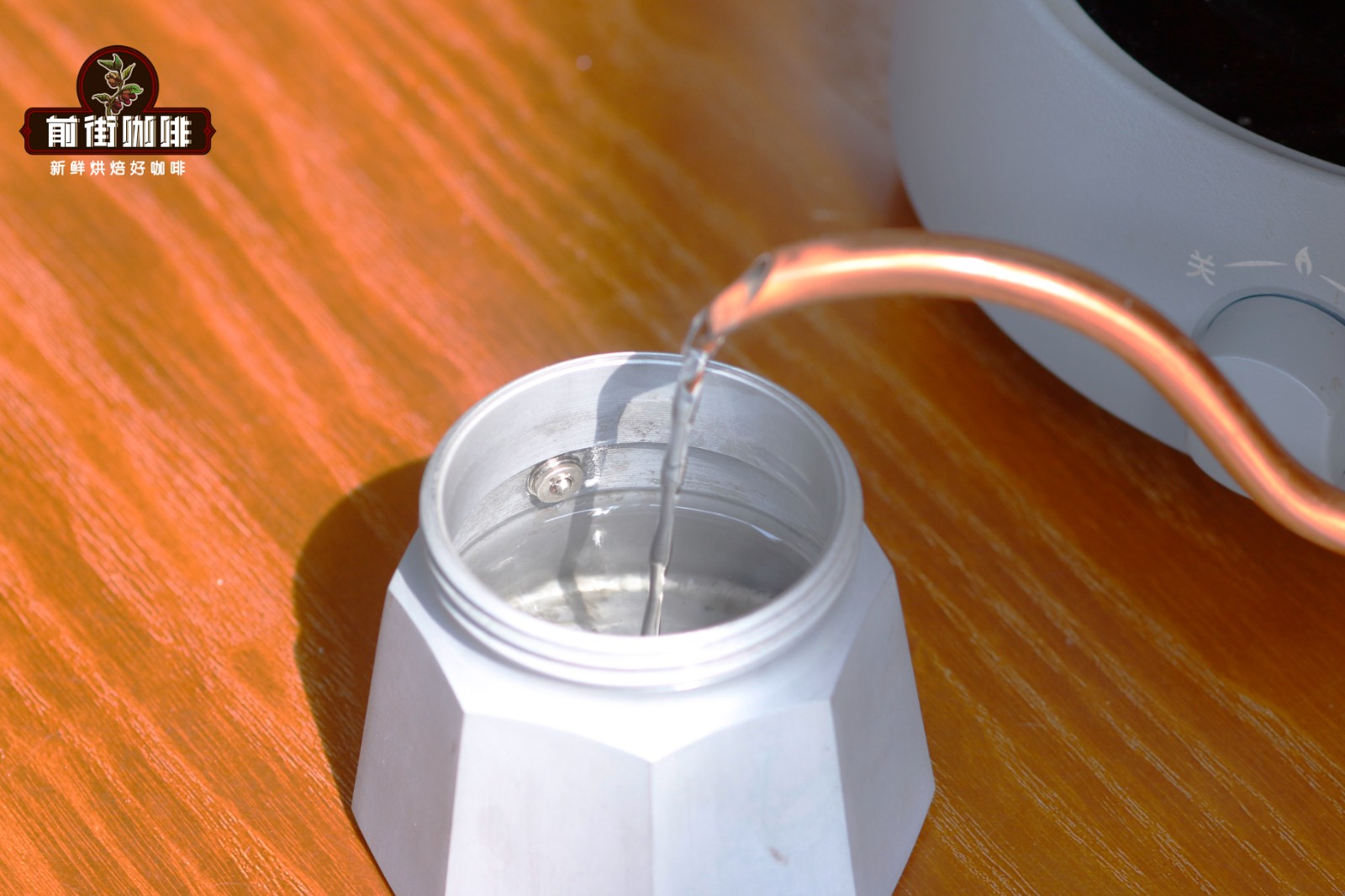 Preparation: moka pot, coffee grounds, hot water, and a heat source (such as a gas stove or electric ceramic stove). Step 1: Add an appropriate amount of hot water—the use of hot water can effectively shorten the heating time.
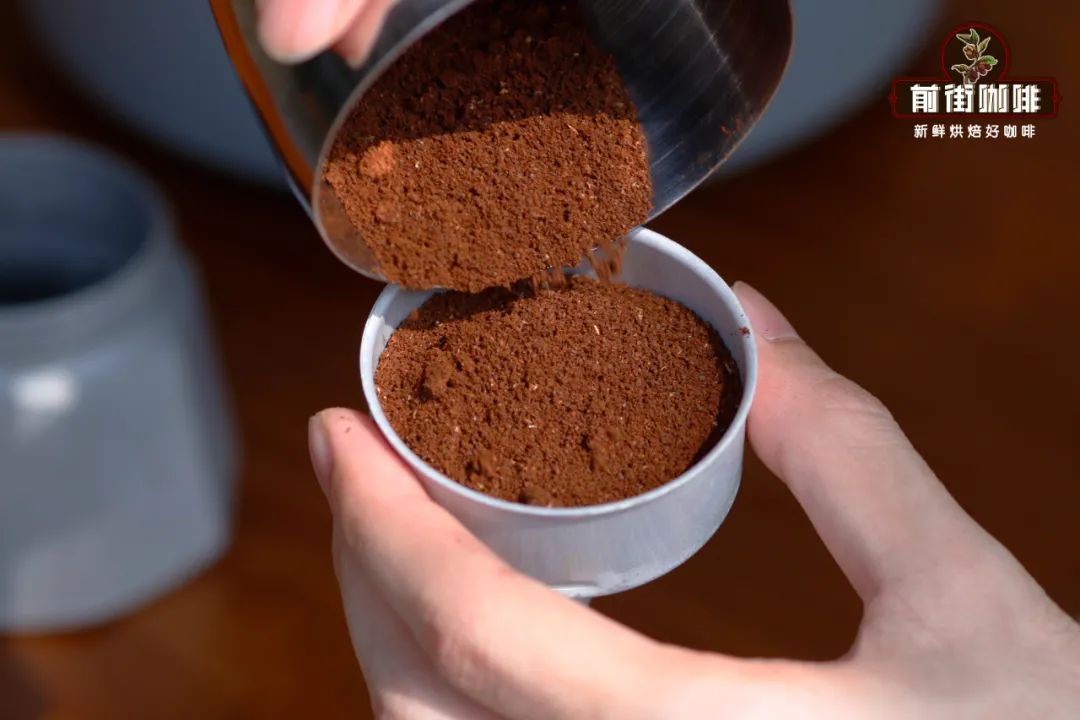 Step 2: Fill the coffee grounds into the coffee chamber. It’s recommended to fill it to the top and level the surface. Gently tapping the coffee chamber can make the coffee grounds more compact, reducing channeling effects. However, if using a very fine grind, avoid over-tamping to prevent increasing resistance.
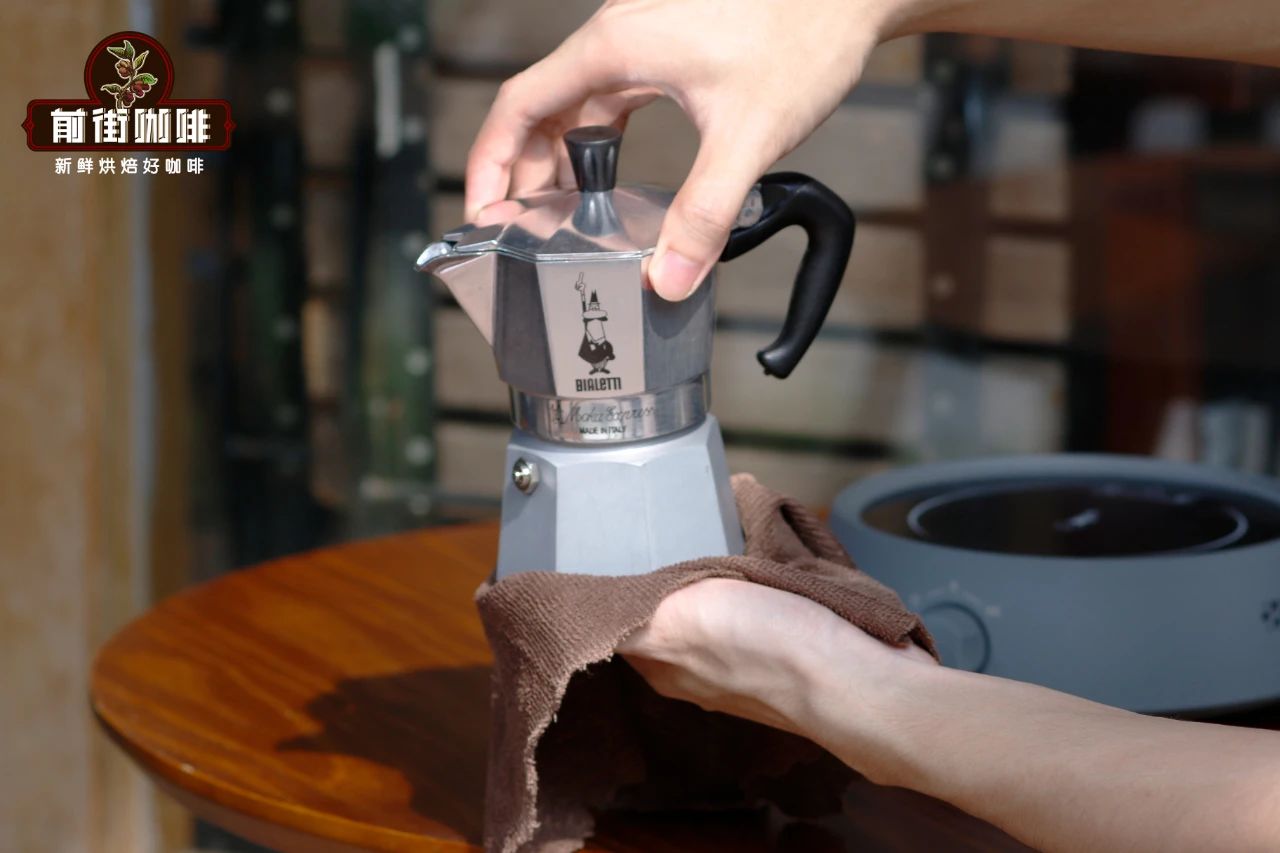 Step 3: Assemble the upper and lower chambers and tighten them. If the water inside is hot, use a damp cloth for insulation to avoid burns.
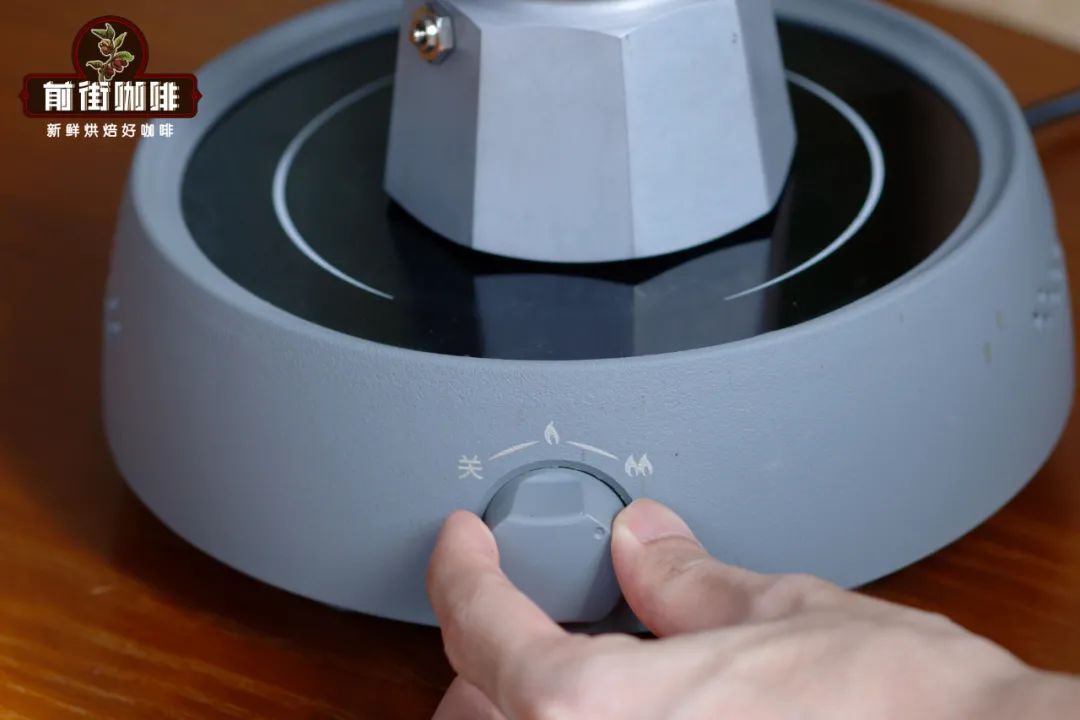 Step 4: Place the moka pot on the heat source and begin heating. Step 5: When you hear a distinct boiling sound, it means pressure is about to be released—reduce the heat at this point to avoid over-extraction caused by excessive pressure, which can lead to a thin-tasting brew.

The above content is compiled by CoffeeHunters, a coffee news website.


