







Introduction:Medium-light roasted Yirgacheffe is renowned for its distinctive floral and fruity aromas, but even among beans labeled as medium-light roast, the actual drinking experience can vary greatly. This article delves into the characteristics of Yirgacheffe at different stages of medium-light roast, including acidity brightness, sweetness body, and suitable brewing methods. It also offers practical pour-over suggestions and iced drink pairing tips to help you find the most flavor-matched beans based on your taste preferences.
As one of Ethiopia’s classic producing regions, Yirgacheffe’s medium-light roasted beans are often beloved by coffee enthusiasts for their vibrant floral, citrus, and berry aromas. However, even when all are marketed as “medium-light roast,” there can still be notable differences in cupping experiences. Generally speaking, the closer to the light roast end, the more transparent the aroma, with livelier and more piercing acidity; whereas moving slightly toward the medium roast side, the sweetness, body, and overall smoothness of the mouthfeel gradually increase. When selecting, it’s advisable to first understand whether the batch leans toward a lighter, more refreshing flavor profile or a rounder, fuller-bodied one, and then choose based on whether you prefer a bright, clean acidity or a mellow, balanced taste.
If you’re someone who loves a drink that bursts with floral and citrus aromas upon the first sip, look for batches with a lighter roast color, clean and non-greasy bean surfaces, and flavor notes that highlight bright fruity or floral qualities. These types of beans release their aroma quickly when brewed with hot water, often evoking sensations of lemon, orange peel, or white flowers, and gradually reveal tea-like aftertastes as the coffee cools. For pour-over, it’s recommended not to set the water temperature too high in order to preserve the fullest expression of aroma.
If you prefer a less aggressive acidity and instead desire a balanced acidity-sweetness profile with a softer, rounder mouthfeel, consider choosing Yirgacheffe roasted to a medium-light middle range. The acidity in these beans usually doesn’t stand out harshly on its own, but rather blends harmoniously with a honey-like natural sweetness and soft berry or tropical fruit notes. This flavor profile is not only suitable for everyday enjoyment as a black coffee, but also allows newcomers unaccustomed to high, sharp acidity to more easily appreciate the unique qualities of this region—offering a layered yet full-bodied cup.
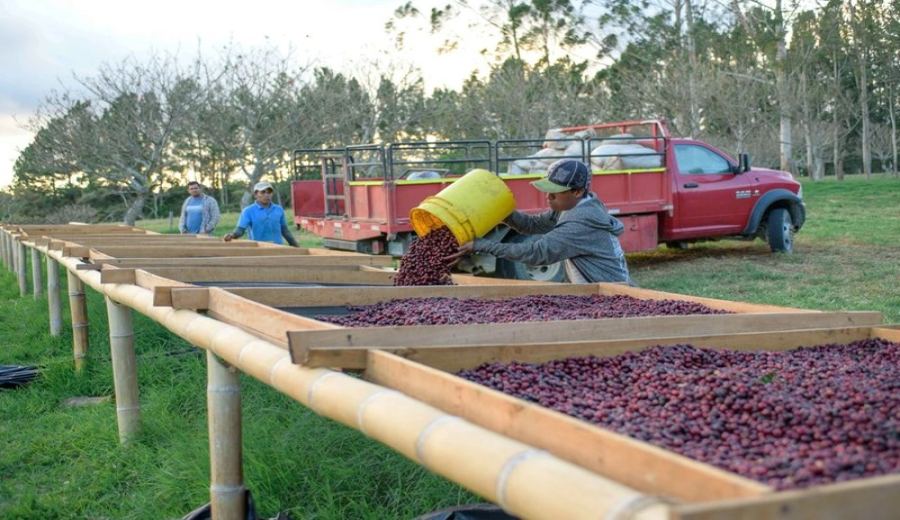
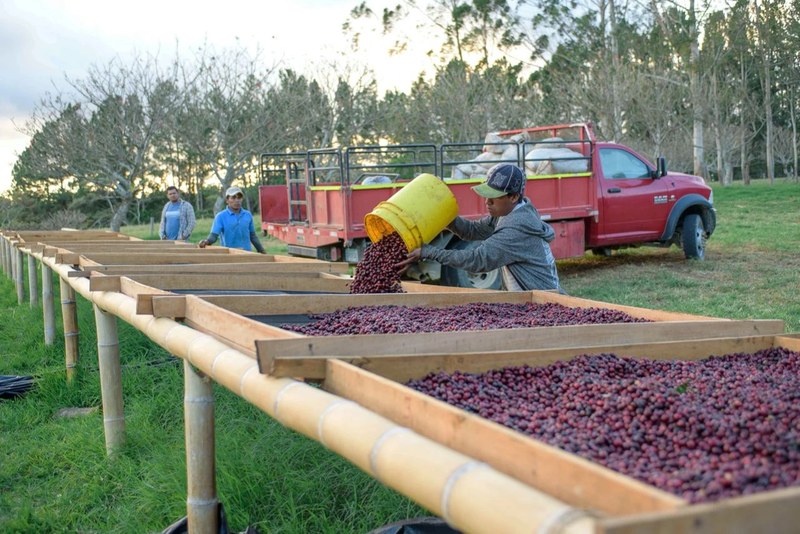
When faced with a product labeled only as “medium-light roast” without further description, you might infer its roast direction from the suggested uses of the beans. For example, those labeled as suitable for pour-over and emphasizing floral and fruity aromas usually lean toward the lighter roast side; while those indicated for use in espresso or with milk tend to retain more sweetness and body. Additionally, the processing method is also an important reference: naturally processed Yirgacheffe often features intense and concentrated fruit aromas, whereas washed processed ones tend to present a cleaner and crisper profile.
Taking a classic example, a certain coffee brand’s Grana Estate Geisha is quite suitable for observing the aromatic transitions of medium-light roasting. When pour-over brewing, you can easily capture the aromas of orange blossom and ripe fruit right away, followed by the gradual emergence of guava, apricot, and berry jam-like sweetness, resulting in a relatively full-bodied overall flavor. If extracted slowly using a filter, you can even more distinctly feel how, as the temperature drops, the fruit flavors shift from bright acidity and sweetness to a richer, more layered intensity—perfect for enthusiasts who enjoy exploring the nuanced changes in a single cup of coffee.
For pour-over recommendations on this bean, you might start with a medium-fine grind size and a relatively gentle pouring speed, allowing the aroma, sweetness, and mouthfeel to unfold progressively. If you prefer a richer fruit expression, you can slightly increase the water temperature; if you wish to emphasize fresh floral notes and a clean taste, you may moderately lower the temperature. Should sharp acidity appear, try extending the initial immersion time after the bloom; if the finish feels overly dry, it’s advisable to reduce stirring actions in the latter stage to achieve a more balanced conclusion.
For consumers who enjoy iced drinks, it’s recommended to choose medium-light roasted beans with higher aroma density. While a low-temperature environment helps to moderate the stimulating sensation of acidity, it can also easily weaken some delicate floral notes. Therefore, if the beans themselves have overly subtle flavors, they may taste thin after being served iced. For instance, a certain brand’s Colombian Sidamo is quite suitable for iced pour-over, iced drip, or making single-origin espresso—its flavors often exhibit characteristics akin to tropical juice, with layers of passion fruit, blueberry, grape, and apricot aromas intermingling.
When performing iced pour-over, you can moderately increase the coffee dose or reduce excessive dilution caused by melting ice, in order to maintain a concentrated fruit expression. If you opt for the iced drip method, special attention should be paid to the final concentration of the extracted liquid to avoid sacrificing overall flavor richness in pursuit of prolonged dripping. If using an espresso machine, it’s recommended to first test with a shorter extraction ratio (such as 1:1.5 to 1:2), observing whether the fruit acidity is bright and the sweetness sufficient, and then adjusting the grind size as needed—this way, you can preserve the juiciness while avoiding overly sharp acidity.
If you place more emphasis on a clean, delicate, and tea-like finish, you might prioritize beans roasted to a medium-light middle range with distinct floral characteristics. For example, a certain brand’s Panama Finca El Valle Red Label Geisha often has flavor notes mentioning jasmine and bergamot-like aromas, with a soft citrus tone upon entry, and a tea-like elegant aftertaste in the later stage. These types of beans are suitable for slower pour-over extraction rhythms and also ideal for carefully experiencing the shifts in aroma layers as the temperature changes.

When actually making a purchase, it’s recommended not to rely solely on labels like “light roast” or “medium-light roast,” but also to pay attention to the roast date, processing method, official or shop-provided brewing suggestions, and overall flavor intensity descriptions. If you crave a light floral expression, you can choose beans leaning toward the lighter roast side; if you prefer bold, fruity profiles, go for those with higher aroma density, often featuring sun-dried processing. If you’re looking for a mild, drinkable option with a tea-like feel, medium-range flavor beans with prominent sweetness are usually a solid choice. By gradually comparing Yirgacheffe at different roast depths, you’ll more easily find the beans that truly suit your cup.
The above content is compiled by CoffeeHunters, a coffee news website.

