







Introduction:Yirgacheffe is the gateway for many coffee beginners venturing into African beans, but its flavor varies greatly depending on the roast level. Whether light, medium, medium-dark, or even dark roast, each processing method presents a distinctly different taste profile. This article will guide you in selecting a Yirgacheffe bean that suits your personal taste preferences and budget by examining factors such as roast flavor, ideal brewing methods, and even cost-effectiveness.
Coffee from the same region can display vastly different flavor profiles based on roast level. Yirgacheffe is the perfect example—it can showcase bright citrus and tea-like notes, or transform into mellow sweetness with a rich body. These differences are not only related to altitude and processing methods, but the key factor is actually the "roast level." If you're concerned about budget and real-life drinking scenarios, it's advisable to first clarify which roast direction you prefer, rather than just focusing on the fancy terms on the flavor labels.
If you’re a drinker who enjoys flavors unfolding layer by layer in the mouth, a light-roasted Yirgacheffe is a great starting point to explore. Such beans usually retain more of their original floral and fruity characteristics, with common flavor notes including lemon, jasmine, white peach, or ripe tropical fruits. The aftertaste often carries a refreshing tea-like quality, reminiscent of the finish of sencha or genmaicha. However, light roasts are more sensitive to extraction parameters. It’s recommended to use water at 90°C to 92°C when brewing pour over, with a medium-to-slightly-coarse grind, to avoid over-extraction that can lead to sharp acidity. Additionally, while the aroma of light-roast beans is already layered when hot, the sweetness becomes more pronounced as it cools, making it also suitable for cold brew, delivering a juice-like freshness.
Another advantage of light roast is its potential for “multiple uses with one bean”—whether for hot or iced drinks, pure black coffee, or lightly milked versions, it can show different characteristics. But be aware, if you’re used to quick brewing or prefer low-acidity flavors, light roast may come across as too vibrant or even harsh. Therefore, these beans are better suited for coffee enthusiasts who are willing to spend time adjusting water temperature, grind size, and brewing time, and who also enjoy savoring subtle flavor changes.
Medium-roasted Yirgacheffe is the balanced choice for most consumers. This roast level makes the caramelization reaction more apparent, bringing out a softer sweetness, ripe fruit aromas, and a rounder body, while toning down excessive acidity. This makes it an easy-drinking option even for those with less refined brewing skills. Such coffee is suitable for daily consumption and can cater to both black coffee lovers who don’t add sugar or milk, and occasional milk users, offering high versatility.
Taking commonly available medium-roast options on the market as an example, some Yirgacheffe beans can yield flavors of orange and apricot during cupping, with a hint of oolong-like aftertaste. When brewed with pour over at a medium water temperature (around 88°C to 90°C), the flavors remain stable, and as the temperature drops, the sweetness gradually emerges, making it suitable for slow sipping. These beans are not only great for plain black coffee but can also be easily paired with a small amount of milk, softening the acidity and resulting in a smoother overall flavor. When purchasing, if the flavor description includes terms like fruit, caramel, tea, or cocoa, it typically indicates a more balanced profile, suitable for various brewing and mixed drink scenarios.
If you lean toward strong, bold black coffee, or frequently use tools like a moka pot or AeroPress, a medium-dark roasted Yirgacheffe would be more to your taste. This roast shifts the flavor focus towards roasted nuts, cocoa, caramel, and ripe fruits, with acidity significantly subdued, yielding a full-bodied and layered mouthfeel. When brewing, it’s recommended to use slightly lower water temperature (e.g., 86°C to 88°C) and reduce the contact time between water and coffee grounds to highlight sweetness and avoid dryness or bitterness from over-extraction. If a noticeable burnt bitterness appears, further adjustments to grind coarseness or shortening the brew time can help.
Although deep roast is often misunderstood as a lower-quality choice, it is actually a roasting strategy that allows the delicate floral and fruity notes of the origin to take a back seat while enhancing a rich and bold body. For those new to single-origin coffee or accustomed to traditional dark roast flavors (such as those from Indonesia or Central and South America), a deep-roasted Yirgacheffe might be a more approachable entry point. However, if you’re expecting prominent floral and citrus acidity, it’s better to invest your budget in light or medium-roast beans. Moreover, if the product page only states “dark roast,” be sure to refer to specific flavor terms—such as whether words like “caramel,” “cocoa,” or “dark chocolate” appear—to assess any risk of excessive burnt bitterness.
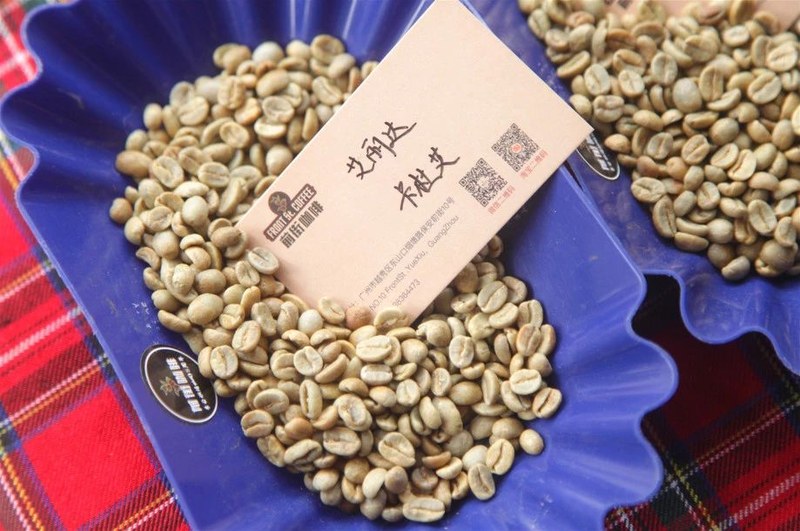
It’s especially important to note that coffee shops may have inconsistent roast grading standards. Two beans labeled as “medium roast” may differ significantly in cupping—one leaning toward fruity notes, while the other may already approach cocoa and nut tones. The color of the beans can only serve as a supplementary indicator; the truly crucial information includes the roast date, origin, processing method (such as natural or washed), and detailed flavor descriptions. For first-time tasters, it’s advisable to start with small sample packs to gradually develop familiarity and preferences for different roast styles.
From a cost-effectiveness perspective, you can also divide the unit price by the estimated number of cups you can brew, then evaluate whether the bean option fits your primary drinking habits. For instance, light-roast beans that are only suitable for pour over and require strict parameter control may end up with relatively low practical usage frequency; whereas medium roast, which can handle hot drinks, iced coffee, and milk-added needs with greater flexibility, might prove more economical in the long run. Additionally, factors like fresh roast date, packaging seal quality, and information transparency are also key elements in assessing value—not just the price tag alone.
If you want to challenge yourself with high-aroma, strongly fruity light roasts, consider using some well-known naturally processed Yirgacheffe beans as flavor references—for example, beans from high-altitude estates often carry aromas of orange blossom, guava, apricot, or even strawberry jam. These are best appreciated through lower water temperatures and delicate pour over techniques. While such beans may not be the most economical choice for everyday large-cup consumption, they can help you determine whether you truly prefer high-aroma, intense fruit-forward light roasts—thereby allowing you to more accurately select beans that fit both your budget and taste preferences.
In summary, the roast level of Yirgacheffe can be viewed as a continuous spectrum, rather than three distinctly separate types. If you seek fresh floral and fruity notes with a crisp finish, light roast is the undeniable choice; if you want a balance of sweetness, aroma, and smoothness, medium roast is more reliable; and if you prefer a bold, low-acid profile with good milk coffee performance, medium-dark or dark roasts will better meet your needs. Plan your budget according to your own flavor expectations, and what you’ll be buying is not just a bag of Yirgacheffe coffee beans—but a wonderful drink you’ll look forward to enjoying every day.
The above content is compiled by CoffeeHunters, a coffee news website.

