








Introduction:If you want to enjoy a cup of coffee with balanced acidity, smooth mouthfeel, and natural sweetness, the first step is actually to consider the roast level. Different roast depths significantly influence a coffee’s acidity, aroma profile, and overall taste. Even beans from the same origin can exhibit completely different personalities at light, medium, and dark roast levels. This article will help you understand how various roast degrees affect flavor, allowing you to find your ideal coffee bean selection based on your personal taste preferences.
Many people look for coffee beans that deliver a non-intrusive acidity, smooth drinking experience, and a sweet aftertaste. To achieve such a sensory experience, one good place to start is by paying attention to the roast level of the beans. Roasting not only affects the color and aroma of the coffee but also directly determines the balance between acidity, sweetness, and bitterness, as well as the overall body of the cup. The same origin beans can show entirely different flavor profiles when roasted at light, medium, or dark levels.
For most coffee enthusiasts, instead of simply searching for products labeled “low acid,” it's often easier to find beans that match your taste by first narrowing down options based on roast depth ranges. Understanding the flavor characteristics brought by different roast levels is the first step toward choosing the right beans.
Light roast coffee usually retains more of the origin’s inherent character, often exhibiting bright floral notes, citrus, berries, or even tropical fruit tones. The aftertaste of such beans tends to be crisp and clear—like the refreshing sweetness after drinking juice—but in turn, the acidity may also be more pronounced. If you prefer a clean-style black coffee, you might opt for a lighter roast batch with less sharp acidity, and slightly increase brewing strength to let the sweetness and fruity notes come through more distinctly.

Medium-light roast sits in a transitional zone of flavor balance, preserving some regional characteristics while leveraging moderate caramelization to prevent acidity from dominating. This roast level suits those who enjoy floral and fruity notes but don’t want an overly intense coffee experience. It’s recommended to brew at a medium concentration and taste after the coffee has cooled slightly—the sweetness often becomes more noticeable then.
Taking medium-light roast as an example, beans from certain origins may present layers reminiscent of jasmine, bergamot, citrus, and black tea, with a mouthfeel that’s light and clean. These beans are best enjoyed slowly in small cups, with minimal agitation, to allow the aromas to release naturally. If the water temperature is too high, the acidity may become more prominent, so it’s advisable to stick within a moderate extraction temperature range.
Medium roast is the ideal choice for many seeking lower acidity and a sweet, lingering finish. This roast stage brings out aromas such as caramel, honey, ripe fruit, and cocoa, while the acidity naturally recedes into the background. At the same time, the overall body becomes richer and more enveloping. Medium roast coffee is not only great as a straight black coffee but also pairs well with a bit of milk, making it a beginner-friendly option for those wanting a versatile bean.
To highlight a more pronounced sweetness and smoothness in a medium roast, slight adjustments in grind size and water temperature are recommended. There’s no need to grind too finely, and you might start with a mid-range water temperature. If the cup feels thin, it could be due to insufficient sweetness extraction—you might try slowing down the pour rate or fine-tuning the grind. If the finish turns astringent, consider shortening the latter stage of extraction. The goal is to achieve a balance among acidity, sweetness, and body, rather than suppressing the overall flavor expression.
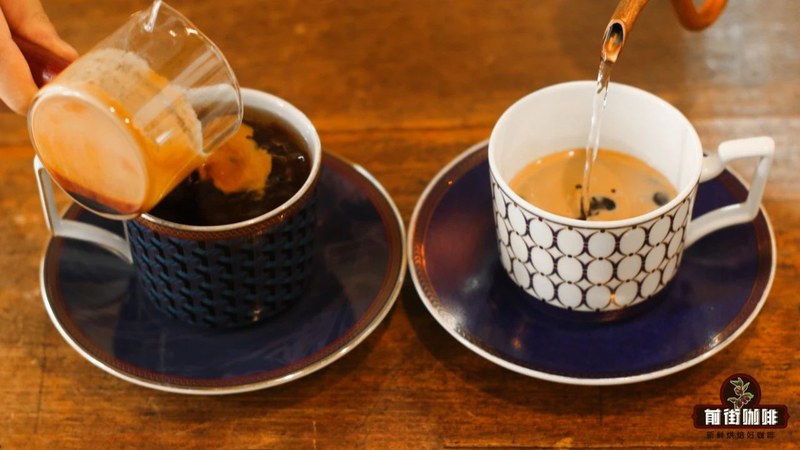
Medium-dark roast coffee typically sees further reduction in acidity, with flavor notes shifting toward warm profiles such as dark chocolate, roasted nuts, caramel, and dark cocoa. The resulting sweetness is generally not the bright fruitiness of lighter roasts but rather a richer, longer-lasting baked sweetness with a dense mouthfeel. If you prefer Americanos, use a moka pot, or often drink milk-based coffee, medium-dark roast is a solid option—especially suited for those who enjoy a stable, weighty cup.
As for dark roast, it’s often misunderstood as being solely bitter. However, with high-quality beans, proper roasting control, and suitable brewing methods, dark roast coffee can also reveal rich complexity. Common flavor descriptors include cocoa, nuts, caramel, and spices—these coffees benefit from slightly lower water temperatures and shorter extraction times to better preserve their sweetness. When used for milk-based drinks, you can moderately increase the coffee concentrate to ensure the coffee structure remains clear even after milk is added.
If you’re torn between light and dark roast, consider starting your exploration with medium-light or medium roast: the former preserves enchanting floral and fruity notes while toning down sharp acidity, while the latter emphasizes sweetness and a rounded mouthfeel. If you usually drink black coffee, prioritize options with brighter aroma profiles; if you frequently add milk or ice, you might lean toward roast levels with a fuller body. Once you’ve found your preferred roast level, further fine-tuning through grind size and water temperature will help you achieve a consistently sweet and well-balanced cup every time.
The above content is compiled by CoffeeHunters, a coffee news website.

