







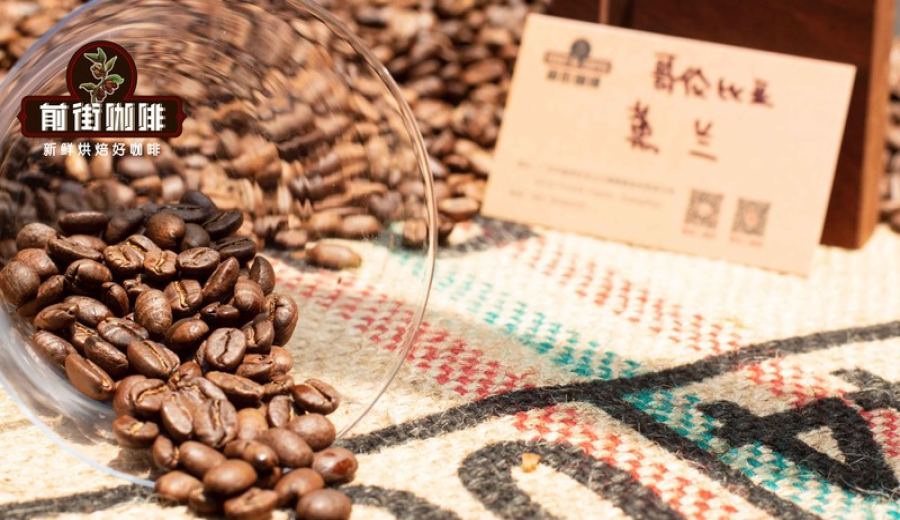
Introduction:Berry flavors are a type of aroma many coffee enthusiasts adore, but do you know how to enhance or balance such flavors through roast levels? This article analyzes them from light to medium-dark roasts, helping you understand how berry notes evolve in your cup. It also offers practical pour-over and brewing tips to help you choose the most flavor-suited berry coffee based on your personal taste preferences.
To enjoy coffee with prominent berry notes, the first step is to consider the roast level, then combine that with information about the origin and processing method for a comprehensive assessment. Generally speaking,light roasts preserve more of the bright acidity typical of berries, such as the fresh fruity aromas of strawberries, blueberries, and raspberries, while also bringing a sweetness reminiscent of fresh fruit pulp. Medium roasts mellow some of the fruit acidity, transforming the berry character into something more like jam, dark plum, or even brown sugar. As for medium-dark roasts, the berry aroma blends with cocoa, caramel, and roast notes, resulting in a fuller and more layered overall flavor.
Light roast beans are especially suitable for those who prefer a clean, vibrant, and multifaceted cup. During brewing, floral and citrus notes are often the first to come through, followed by the sweet-tart sensation of berries. Even as the cup cools, you can still sense an aftertaste akin to tea or fruit peel. The flavor of such coffees unfolds relatively quickly—starting off light on the palate but leaving a lasting finish, making them ideal for savoring slowly via pour-over.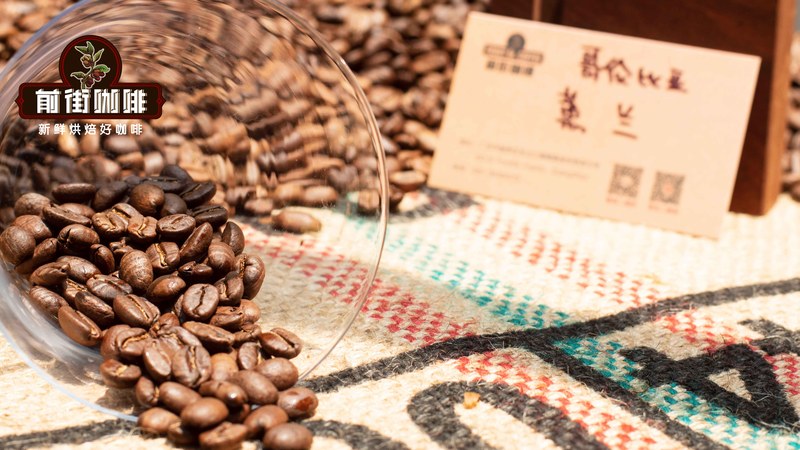
If you're looking for a representative light roast coffee with berry characteristics, you might try Ethiopia’s Yirgacheffe Guji Dingding. Its aroma features citrus, delicate red fruits, and subtle florals, delivering an overall drinking experience akin to a refreshing fruit tea, with a clean green-tea-like finish. For enhanced aroma, it's recommended to use slightly hotter water and a finer grind when brewing pour-over. If you switch to cold brew, the acidity becomes rounder—perfect for summer enjoyment.
Alternatively, if you prefer berry flavors with more tropical fruit notes and sweetness, take a look at Ethiopia’s Huakui. Unlike beans with solely sharp acidity, Huakui releases aromas of strawberry, passionfruit, and ripe fruit sweetness. It’s lively on the palate with a clear sweetness. Pour-over highlights its layers, while adding ice produces a juice-like freshness. Cold brew is also great for those seeking a smoother mouthfeel.
Medium roasts serve as a transitional zone that bridges the freshness of berries with the richness of coffee. As the roast level increases, fruit acidity no longer dominates the front of the flavor profile, but instead harmonizes with the sweetness of brown sugar, caramel, or dark fruits. These beans perform consistently in everyday brewing—they preserve certain regional traits without overwhelming those unaccustomed to high acidity.
For example, Kenya Little Tomato is a classic representative with a medium-roast berry direction. Its flavor isn’t cloyingly sweet like strawberry candy, but instead presents the freshness of cherry tomatoes, the tart-sweetness of dark plums, and the roundness of brown sugar. After pour-over, you can clearly feel a juice-like texture. As the temperature drops, the acidity becomes more focused. A faster pouring rhythm is recommended to maintain an overall lively character.
Medium roast beans are also excellent for iced pour-over or making Americanos. Ice helps buffer some of the intensity, making the fruit acidity crisper and the sweetness more noticeable. When using an espresso machine to make an Americano, extending the extraction time moderately allows better integration of berry and caramel notes. If adding milk, it’s best to choose medium-roast beans with naturally fuller sweetness and body to prevent the coffee aroma from being overshadowed by the milk.
Moving into medium-dark or darker roast levels, berry flavors often transform into richer expressions like berry jam, black plum, or cocoa. These beans may not retain the lightness of fresh fruit, but they offer a more pronounced weightiness and long-lasting finish—ideal for those who enjoy strong black coffee, use moka pots, or prefer milk-based coffee. With increased roast aromas, the berry presence shifts from crisp fruit flesh to a mature, intense jam-like flavor.
When selecting coffee beans, it’s advisable to treat the roast level indicated on the packaging as a reference for flavor positioning rather than an absolute standard. Different roasters may define light, medium, and dark roasts differently, so it’s better to make judgments based on the flavor descriptions provided. If you see keywords like strawberry, raspberry, blueberry, berry jam, or dark plum, pay extra attention to the bean’s sweetness, acidity, and body—this can help you infer whether it leans more toward fresh or ripe fruit character.
In actual brewing, you can use slightly higher water temperatures for light roast berry beans to fully release their aroma; for medium roasts, starting with a moderate water temperature is advised to balance sweetness and acidity. As for darker berry roasts, lowering the water temperature and shortening the extraction time is recommended to avoid roastiness overpowering the fruit notes. No matter which roast level of berry coffee you choose, it’s wise to observe the cup’s performance from hot to cool, as berry characteristics often become more pronounced as it cools.
In summary, choosing berry-flavored coffee based on roast level is essentially about deciding whether you want your berries to present as fresh fruit, jam, or a rich form with cocoa undertones. If you love bright aromas, start with light roast; for a balance of sweet and tart, medium roast is ideal; and if you prefer a fuller body, you can challenge yourself with medium-dark roast—gradually discovering the berry coffee expression that best suits your palate.
The above content is compiled by CoffeeHunters, a coffee news website.

