







Introduction:The French press and pour over are two common home brewing methods, but did you know their extraction principles, suitable beans, and difficulty levels are actually quite different? This article provides an in-depth comparison of their flavor profiles, equipment needs, and key parameters to help you choose the most suitable brewing method for your needs—whether you're just starting out or enjoying coffee daily. Whether you're after layered complexity or simple, rich flavors, you'll find the answer here.
Core Difference Between French Press and Pour Over: Immersion vs Drip Filtration
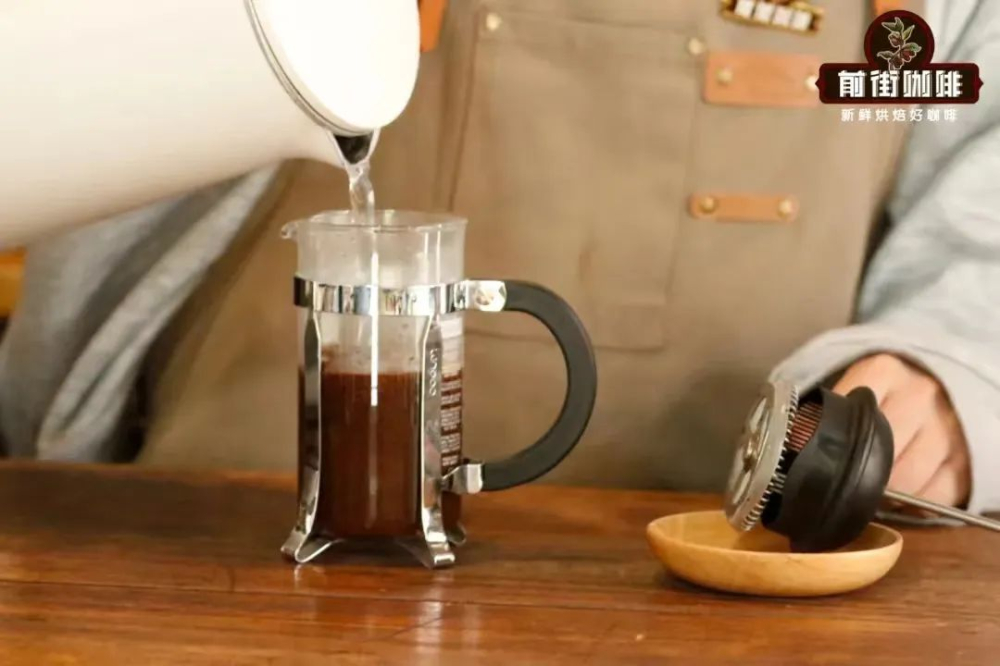
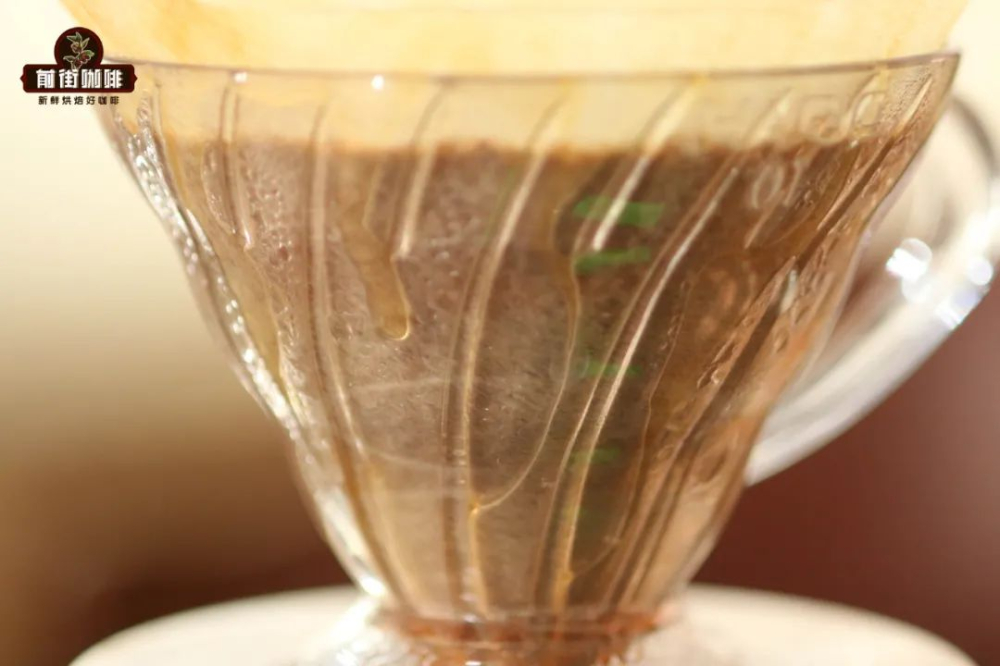
Simply put, the French press is an immersion brewing method where hot water and coffee grounds are steeped together and then separated by a metal filter. In contrast, pour over uses a drip filtration system, controlling water flow with a gooseneck kettle to gradually extract flavor compounds from the coffee grounds. This fundamental difference in brewing methods results in distinctly different taste experiences and learning curves.
Flavor Comparison: Layered Complexity vs Rich Balance
Pour over coffee, with its staged pouring and ever-changing extraction environment, can highlight the unique flavor layers of coffee beans—such as bright acidity, floral notes, or caramel-like finishes—making it ideal for drinkers who enjoy exploring fine details.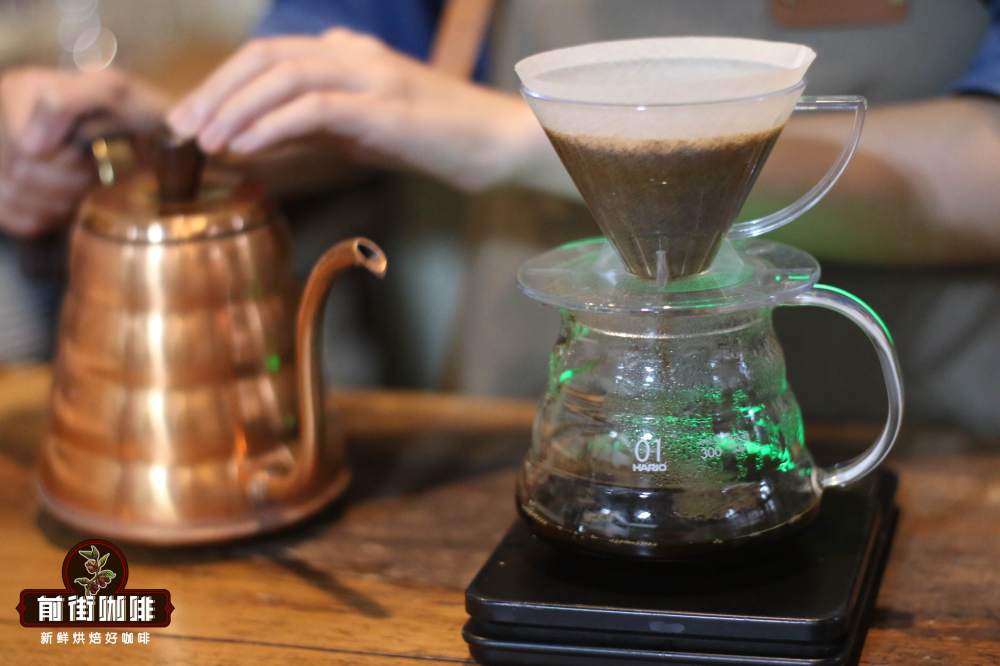 In comparison, the immersion process of the French press allows all flavor compounds to be evenly released, resulting in a richer, more balanced taste. Its tea-like full-bodied quality makes it a popular first choice for many coffee beginners.
Equipment and Key Details for Pour Over
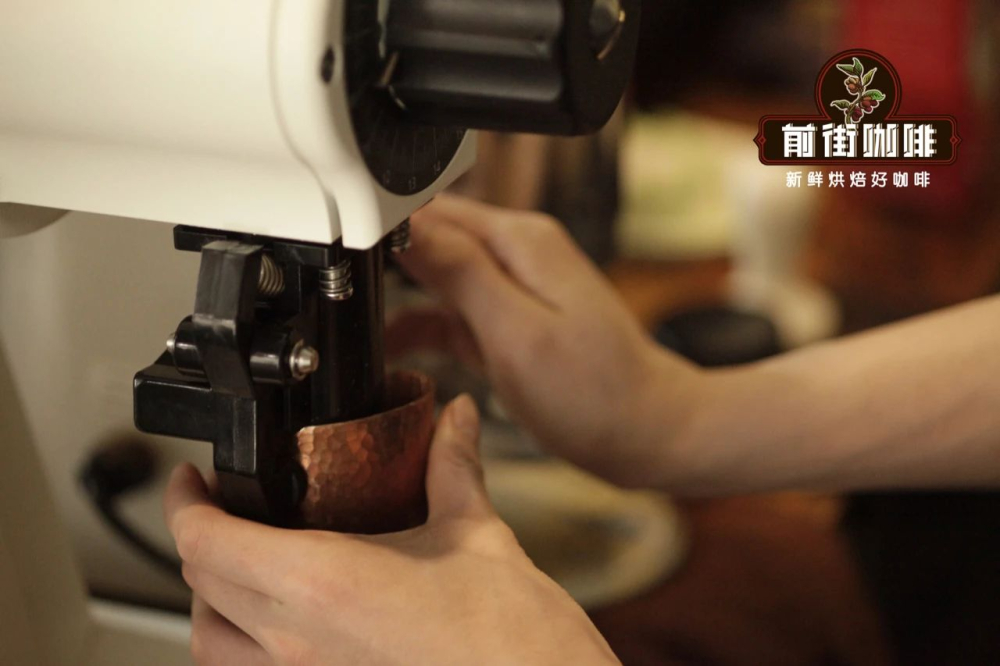
To brew pour over at home, you’ll need: a pour over kettle, a dripper, a server, a grinder, filter paper, a digital scale, and a thermometer. Among these, choosing the right grinder is crucial—whether manual or electric, the goal is to produce uniformly ground coffee. Grounds that are too coarse can lead to under-extraction and flat flavors, while overly fine grounds may over-extract, producing bitterness and off-flavors.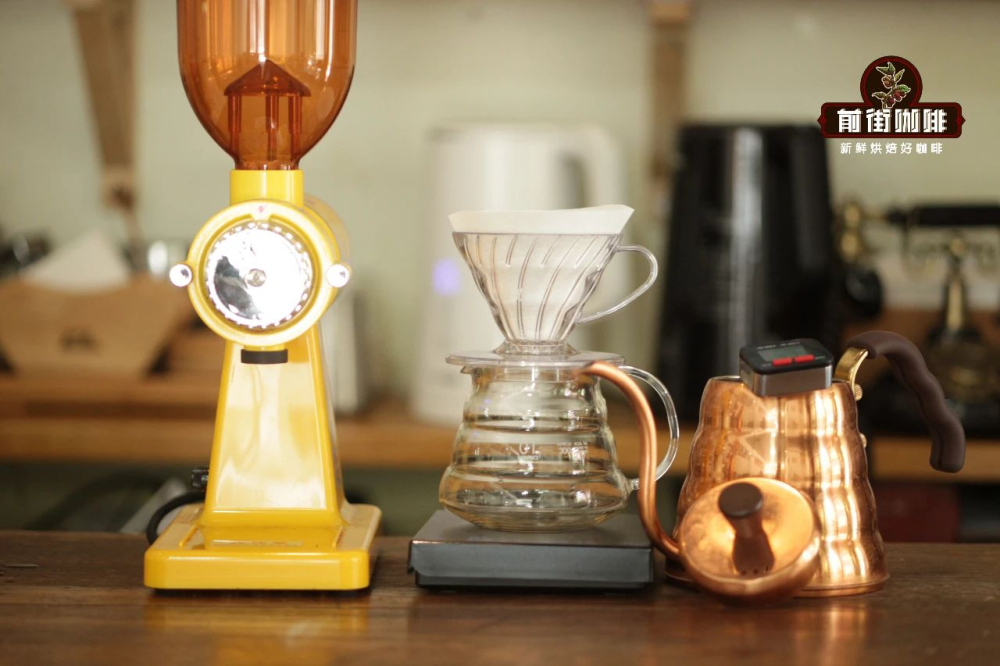 For example, using a standard No. 20 0.85mm sieve, a grind size with an 80% pass-through rate is suitable for high-altitude, hard-bean medium-to-light roasts, helping to bring out more aromatic compounds.
The Delicate Balance of Water Temperature and Grind Size
Water temperature is a key variable affecting extraction efficiency. Generally, it’s recommended to use 91–93°C for light roasts to enhance aroma, while medium-to-dark roasts suit 87–90°C to avoid excessive bitter compounds.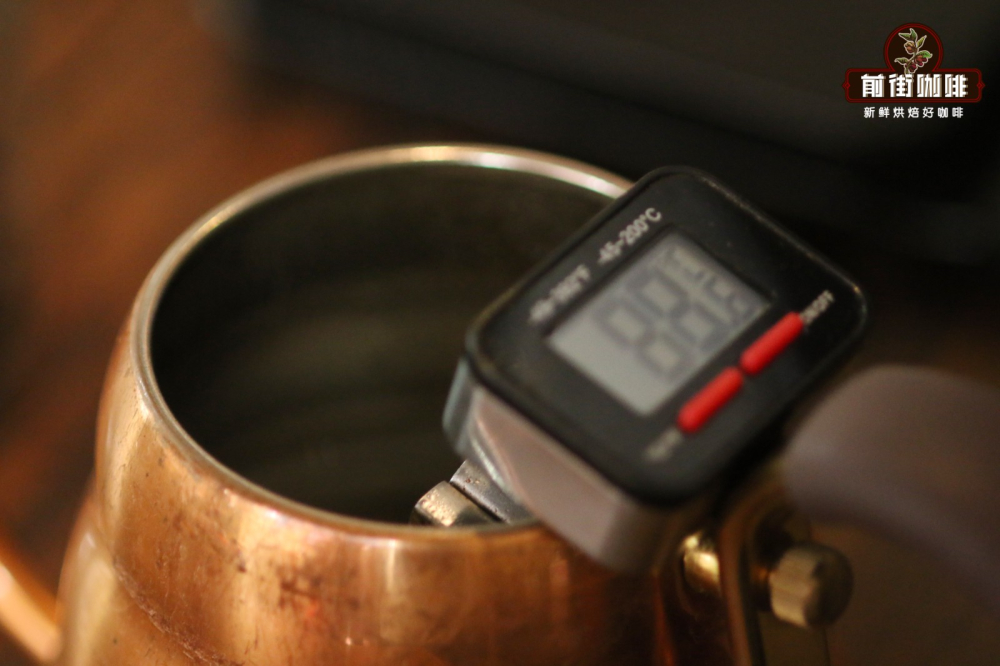 Additionally, different dripper designs (e.g., Hario V60 works well with light roasts, KONO suits dark roasts) can alter water flow speed and extraction effects. Using matching filter paper can further optimize flavor performance.
Operating Principle and Advantages of the French Press
The French press has a simple structure, consisting of a cylindrical container and a built-in metal filter. Operation is straightforward: just steep the hot water and coffee grounds together, then press down the filter.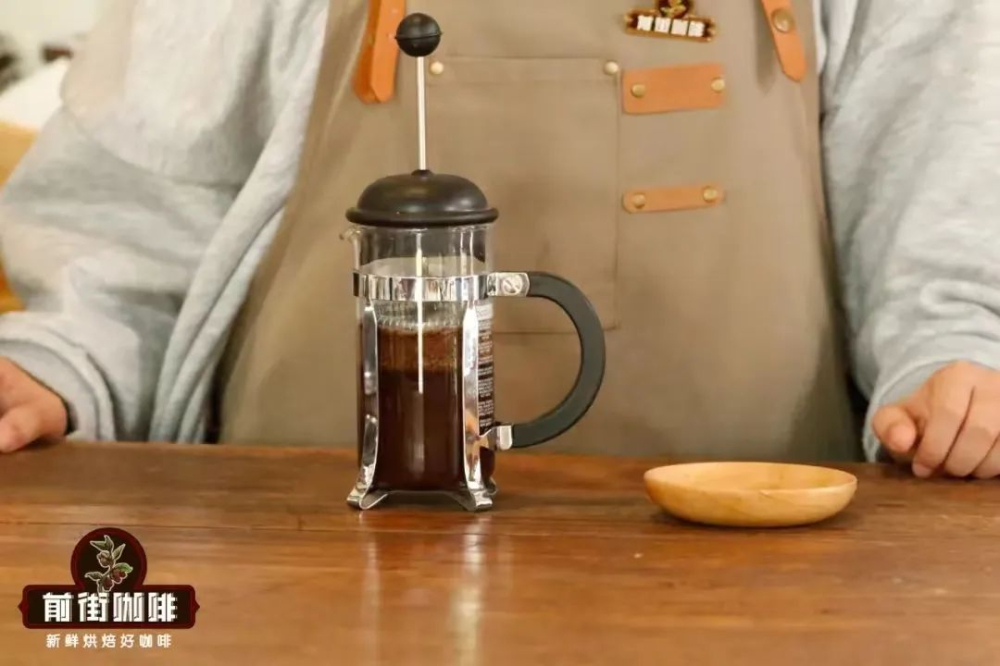 This “one-step” immersion brewing method has minimal technical barriers. By simply controlling four elements—coffee-to-water ratio, grind size, water temperature, and steeping time—you can consistently extract flavors close to the essence of the coffee, making it a representative of “lazy-person” coffee tools.
Key Extraction Parameters for the French Press
Since the French press doesn’t provide continuous heating, it’s recommended to use slightly higher water temperatures than pour over: 92–94°C for medium-to-light roasts, and 89–90°C for medium-to-dark roasts.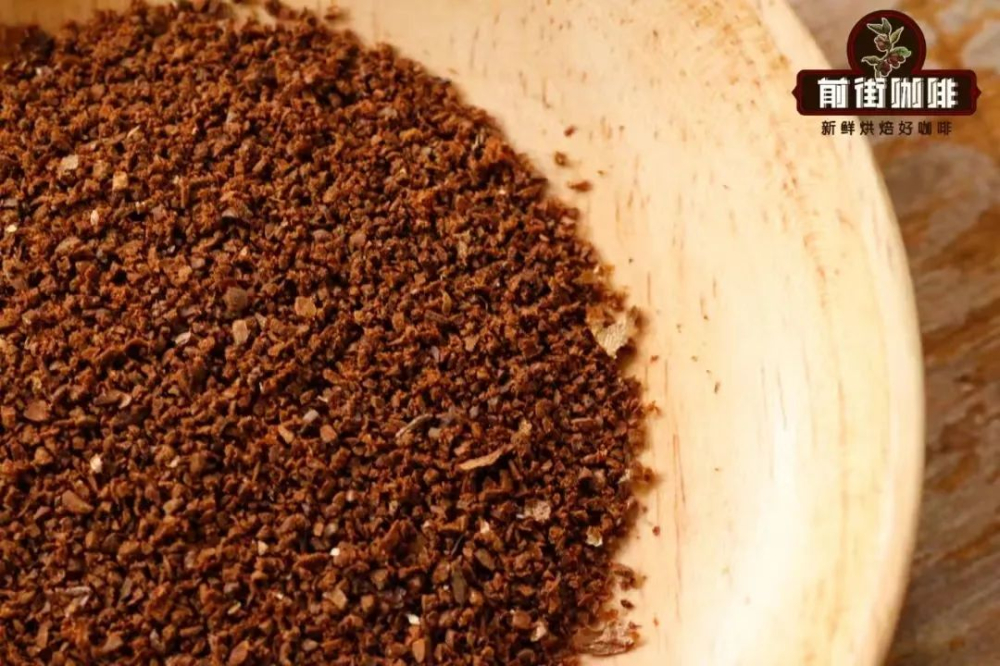 Steeping time is generally advised to be around 4 minutes for medium-to-light roasts, and shortened to 3 minutes 30 seconds for medium-to-dark roasts, using a coarse grind to avoid over-extraction. In autumn and winter, preheating the press can reduce heat loss and ensure stable extraction.
How to Choose? Beginner Recommendations
If you’re after delicate flavor variations and layered complexity, pour over offers a richer sensory experience. But if you prefer simple operation and steady, rich flavors, the French press is a more approachable choice.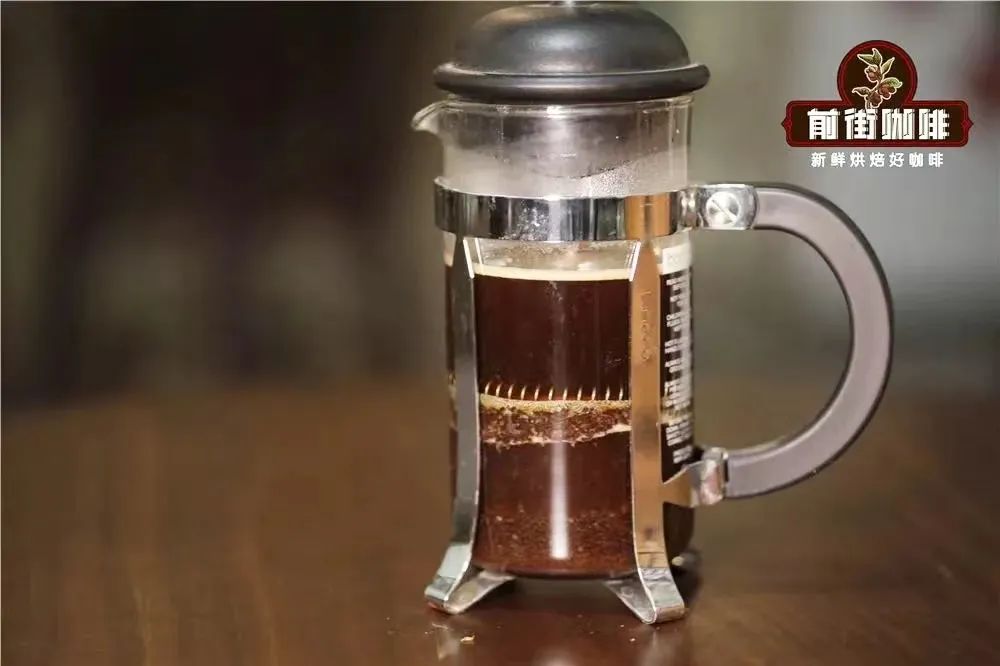 No matter which method you choose, understanding the basic parameters and extraction principles will help you enjoy coffee tailored to your personal taste.
The above content is compiled by CoffeeHunters, a coffee news website.


