







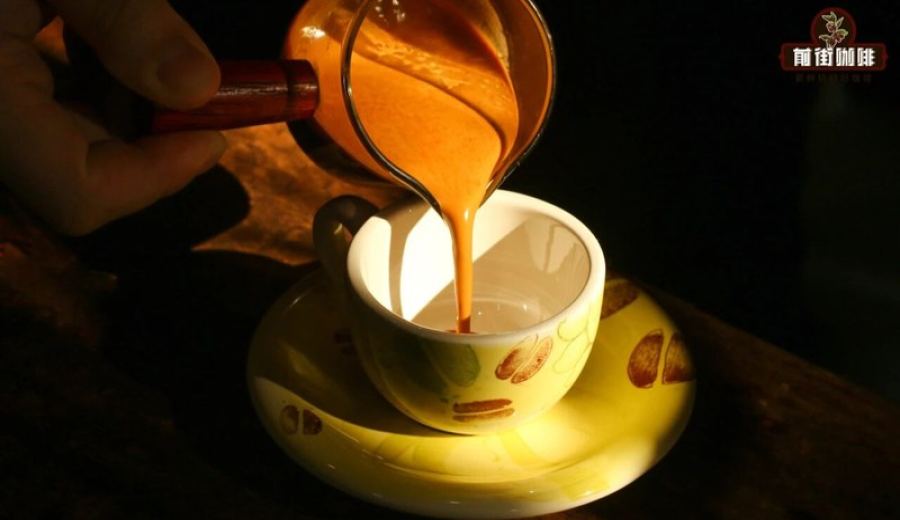
Introduction:SOE espresso beans are characterized by their single-origin sourcing, concentrating the terroir of a specific region directly into a single cup of coffee. Different roast levels not only influence the balance between acidity and sweetness, as well as aroma expression, but also determine whether the coffee is best enjoyed black or with milk. This article will explore the subtle differences in SOE flavors across three roast levels—light, medium, and dark—and provide practical extraction parameter suggestions to help you find the SOE espresso that best suits your taste.
SOE, or Single Origin Espresso, refers to espresso made from coffee beans sourced from a specific region or batch. Compared to blends, it can more directly showcase the unique flavor characteristics of its origin, allowing one small shot to reveal distinct regional traits. When selecting an SOE, the roast level is a very practical point of reference—it affects the balance of acidity and sweetness, the direction of the aroma, the intensity of the espresso’s body, and even whether it pairs better with milk or is best enjoyed straight.
Light-roast SOEs typically retain richer fruit acids and floral aromas. Once brewed into espresso, they often present notes of citrus, berries, tropical fruits, and even tea-like qualities. These flavors are layered and vivid, gradually unfolding over time whether enjoyed as a straight espresso or in an Americano. If you prefer a latte, you can also choose a light roast with sufficient sweetness and a non-watery texture, creating a clear fruity contrast with the milk and adding an extra layer of enjoyment.
However, extracting light-roast beans often requires more patience. When using an espresso machine, it’s recommended to try a slightly higher water temperature, a finer grind size, and ensure enough brew weight is extracted to fully bring out the sweetness. If the acidity comes across as too sharp, it may be due to under-extraction; if the finish feels astringent, consider slightly coarsening the grind or reducing the brew weight to maintain aroma while achieving a smoother mouthfeel.
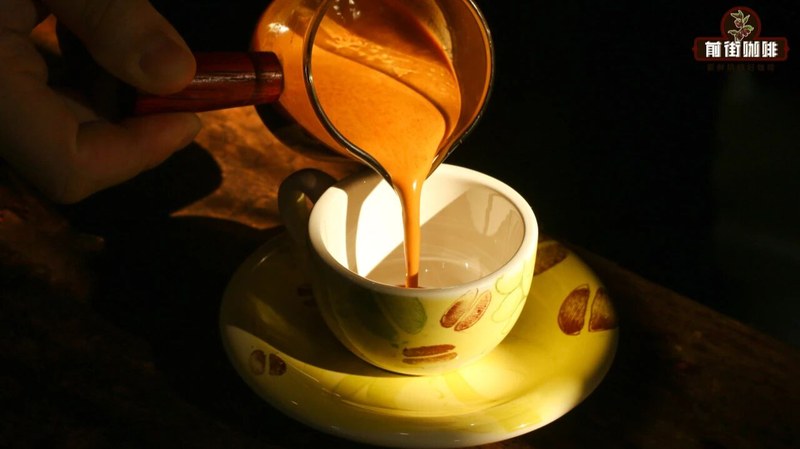
For example, a certain café’s Granja La Esperanza Geisha is a light-roast-style SOE, often offering notes of orange blossom, guava, and ripe apricot upon entry, followed by a rich, jam-like sweetness reminiscent of strawberry preserves. Even as a straight espresso, this type of bean exhibits strong aromatic expression, making it well-suited for shorter Americanos or small lattes with a touch of milk—allowing you to observe how the floral and fruity notes transform when combined with milk.
Medium-roast SOEs strike a balance between aroma, sweetness, and body. The fruit acids are relatively more restrained, while caramel, nutty, cocoa, or ripe fruit sweetness tends to stand out more in the espresso. For those new to single-origin espresso, these beans offer a wider range of adaptability—whether used for espresso or Americano—and can still retain a distinct coffee character even when milk is added.
Medium roast doesn’t mean the flavors become bland—the key lies in the bean’s origin and processing method. Medium-roast beans with prominent fruit tones may shift from a bright juice-like freshness to a richer, jammy, raisin, or ripe fruit sweetness; those with floral notes might develop layers of black tea, citrus peel, and caramel. When purchasing, it’s recommended to check whether the packaging mentions both sweetness and texture, as this helps determine if the bean suits your taste.
For instance, a certain café’s Colombian Gesha SOE showcases vibrant fruit aromas such as passionfruit, blueberry, and grape, paired with the richness of ripe stone fruits like apricot, resulting in a fuller-bodied overall profile. This bean is ideal for making iced Americanos or iced espressos, as lower temperatures enhance the fruitiness; meanwhile, hot drinks allow you to experience a more complete evolution of the fruit notes, making it a great choice for those who enjoy brighter styles.
Darker-roast SOEs typically have a thicker mouthfeel, with flavors leaning toward dark chocolate, roasted nuts, caramel, and ripe fruit, and the acidity is more subdued. These beans are suitable for drinkers who prefer a strong espresso presence and a robust milk coffee experience. When used for cappuccinos or lattes, the cocoa and caramel tones can easily cut through the milk, creating a rounder and more balanced overall flavor.
When choosing a darker-roast SOE, the focus isn’t on how dark the roast is, but rather on whether the sweetness and bitterness are well-balanced. If the espresso has caramel or dark chocolate sweetness, it will feel full-bodied without being overwhelming; however, if the roastiness is too pronounced, it’s recommended to adjust the extraction parameters—for example, using a lower water temperature and shorter brew weight—to tighten up the flavor. If you prefer Americanos, you can dilute the concentration with water to allow the cocoa and nut tones to unfold more naturally.
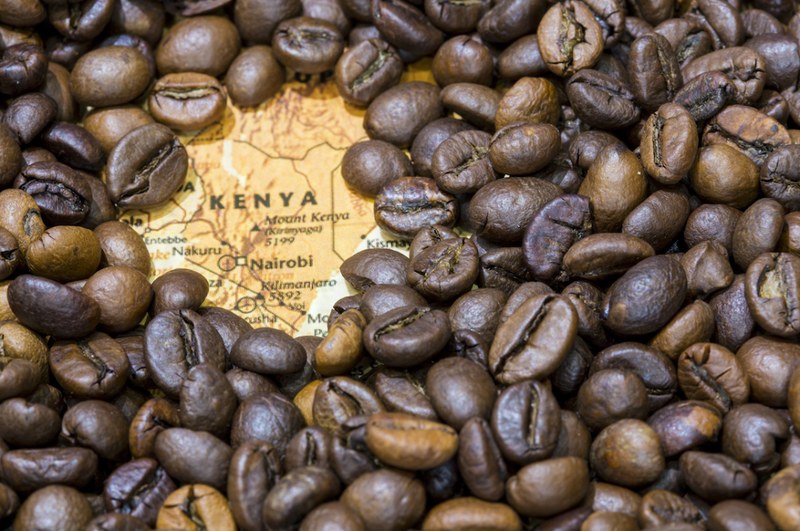
In summary, when selecting an SOE, you can think of the roast level as a flavor map: light roast leans toward floral, fruity, tea-like, and bright acidic notes; medium roast emphasizes ripe fruit, caramel, and overall balance; dark roast highlights cocoa, nuts, and a rich, full body. If the packaging doesn’t clearly indicate the roast level, you can make a comprehensive judgment based on the bean color, roast date, and flavor description, then choose a small pack for a trial based on your personal drinking habits. Only by finding the roast direction that suits you best can an SOE truly become that daily cup of coffee you look forward to.
The above content is compiled by CoffeeHunters, a coffee news website.

