







Introduction:Find pour over techniques too tricky to master but still want to enjoy freshly brewed black coffee at home? The French press is the perfect brewing tool for coffee beginners. This article will guide you through the immersion brewing principle of the French press, outline key parameters such as coffee-to-water ratio, water temperature, grind size, and steeping time, and include a step-by-step brewing demonstration along with flavor analysis — so even complete beginners can easily brew a rich and smooth cup of coffee.
"I don't know how to pour over at all. Which brewing tool should I start with?" This is one of the most common concerns for coffee newbies. Compared to pour over, which requires precise pouring techniques and water flow control, the French press (French Press) has almost zero technical barriers: just add coffee grounds, pour water, let it sit, then press down — just a few simple steps to make a cup of black coffee. It’s arguably one of the most beginner-friendly brewing devices available.
The history of the French press dates back to around 1850 in France, and its design is very simple: a heat-resistant glass carafe paired with a metal filter that comes with a plunger. Interestingly, this tool was originally designed for brewing tea. Later, someone came up with the idea of putting coffee grounds in it and unexpectedly discovered that the resulting coffee was exceptionally rich. As the metal filter’s mesh size was continuously refined and made finer, the French press gradually transitioned from a tea tool to a classic brewing device beloved by coffee enthusiasts everywhere.
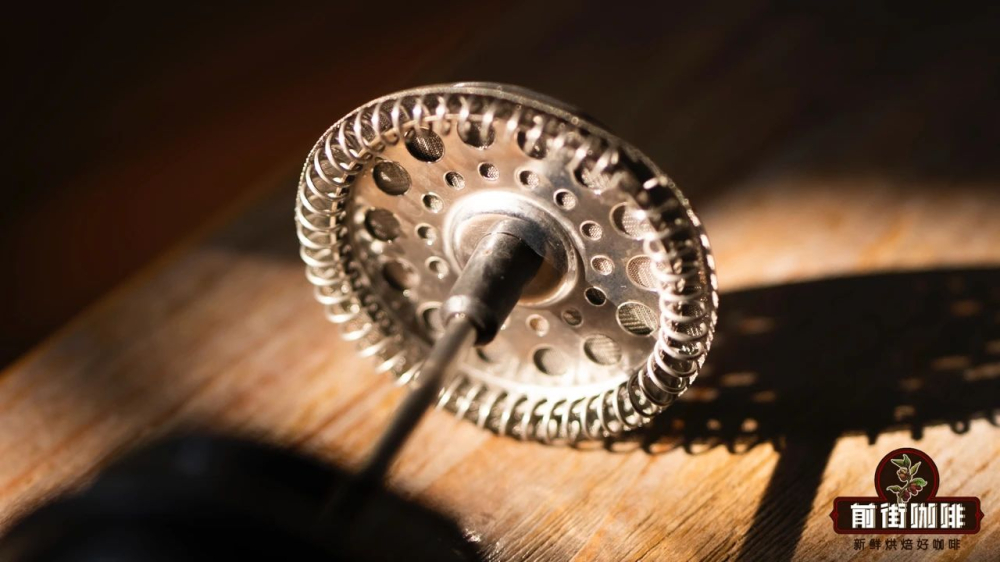
In terms of extraction principles, the French press falls underimmersion brewing: within the fixed volume of the carafe, a certain proportion of hot water and coffee grounds remain in continuous contact, allowing the soluble substances in the coffee to dissolve evenly. The most critical variable in this process is time — the longer the steeping, the more substances are extracted and the stronger the flavor becomes, until it reaches saturation.
Some may wonder: won’t prolonged steeping also extract unwanted off-flavors? Actually, the so-called “prolonged” time has a clear range. It is generally recommended to steep for4 minutes, with water temperature between88℃~91℃, and a noticeably coarser grind size. Since the glass carafe doesn’t retain heat very well, the water temperature will gradually drop during the steeping period. Combined with the slower release of flavor compounds from coarsely ground coffee, 4 minutes is precisely the sweet spot for extraction. The maximum steeping time should not exceed 6 minutes. Once the time is up, first press down the filter, then be sure to pour the coffee liquid into another container before drinking — to avoid over-extraction and bitterness caused by the residual coffee grounds continuing to steep in the carafe.
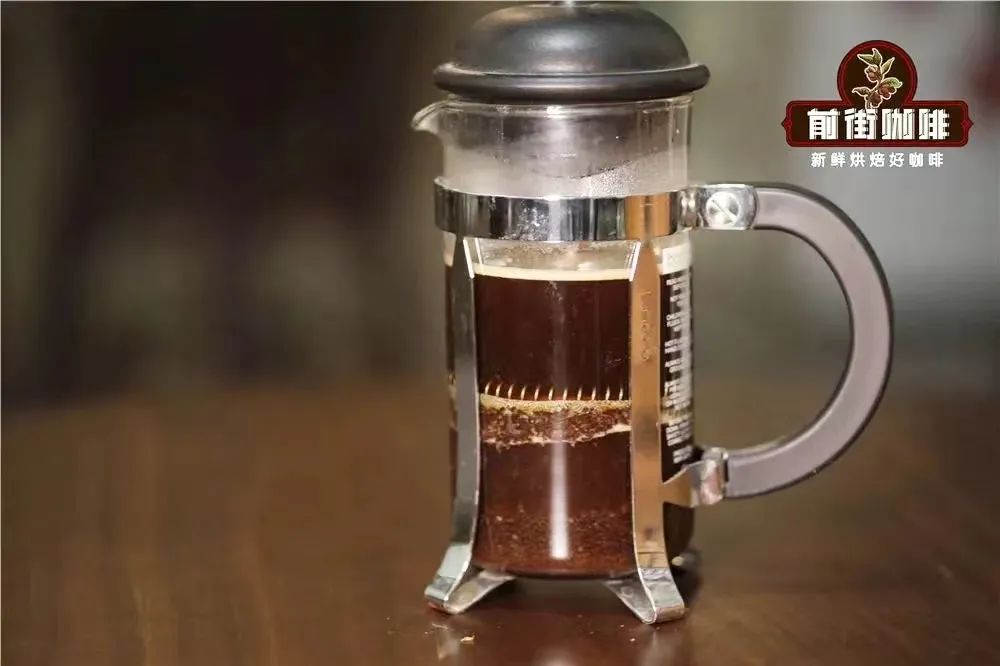
The first characteristic of French press coffee is that its mouthfeel is noticeably richer than that of drip-style pour over. The French press relies on a metal filter for extraction, whose pore size is much larger than that of paper filters, allowing it to retain the vast majority of coffee oils. As a result, the surface of the brewed coffee often has a thin layer of glossy oil. In contrast, pour over coffee passes through the coffee bed and a high-density paper filter, which traps a large amount of oils, resulting in a cleaner, brighter taste and relatively less body. However, the trade-off of using a metal filter is that it can’t trap all the fine particles. Tasting a small amount of coffee sediment at the bottom of the cup is a normal occurrence with the French press and nothing to worry about.
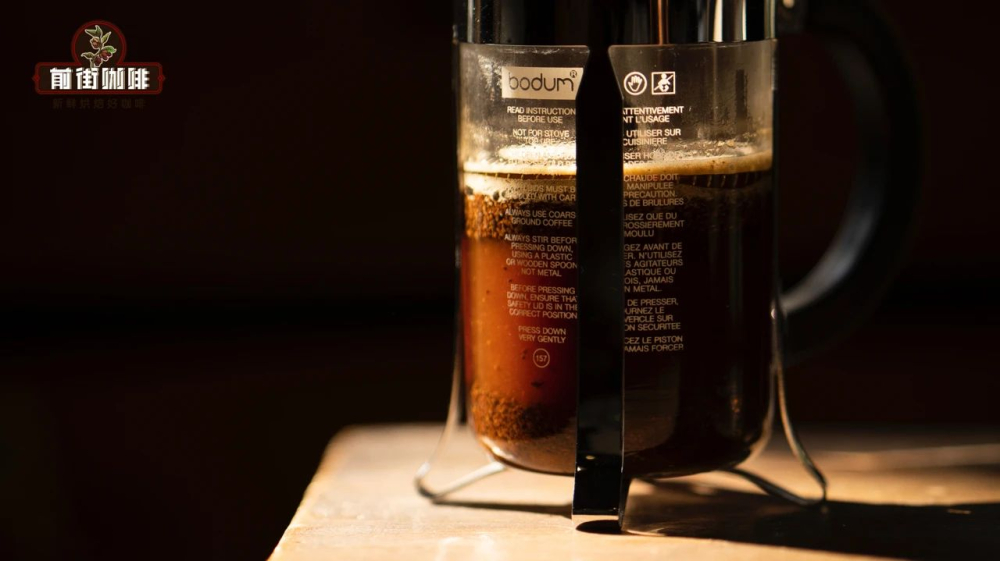
The second characteristic is that the French press can present the original flavors of coffee beans most directly. Its extraction logic is the same as that of professional cupping — both use immersion brewing — minimizing human variables. In pour over, factors like the height and speed of pouring, or even the choice of dripper, can all influence flavor expression. In contrast, the French press only has three variables that affect flavor —grind size, water temperature, and steeping time. As long as these parameters are locked in, the results are highly consistent, making it very suitable for evaluating the true character of a coffee bean.
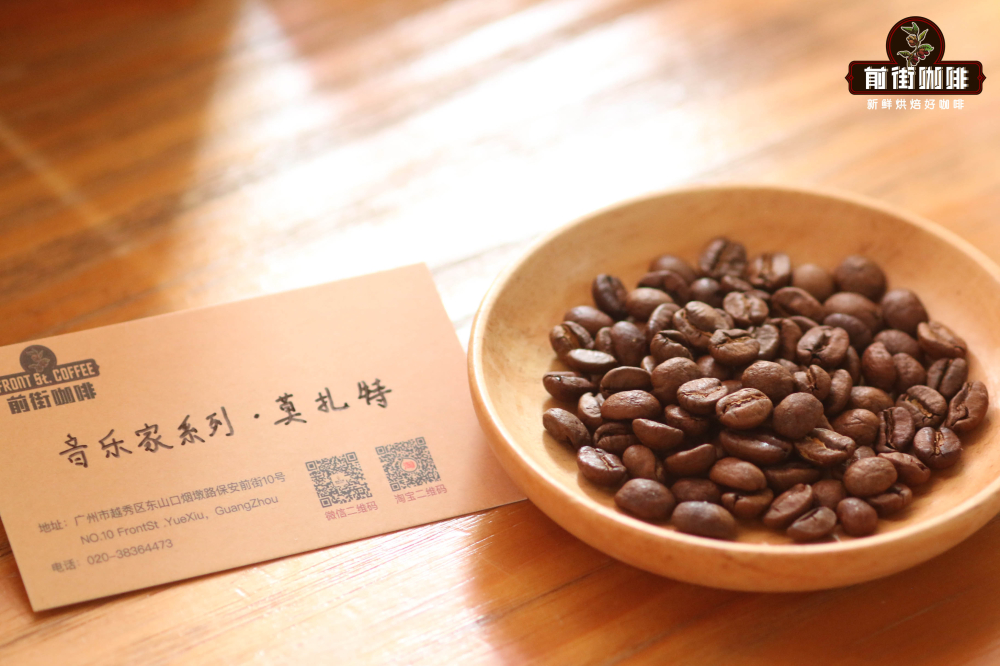
The following demonstrates with the Mozart coffee bean from Costa Rica’s Musician Series. This bean features a fermented note reminiscent of dried fruit, white floral aromas, and a distinct sweet-and-sour profile. Brewing parameters are as follows:15 grams of coffee, 1:15 coffee-to-water ratio, medium-coarse grind (68% passing through a standard 20-mesh sieve), water temperature 90℃, steeping time 4 minutes.
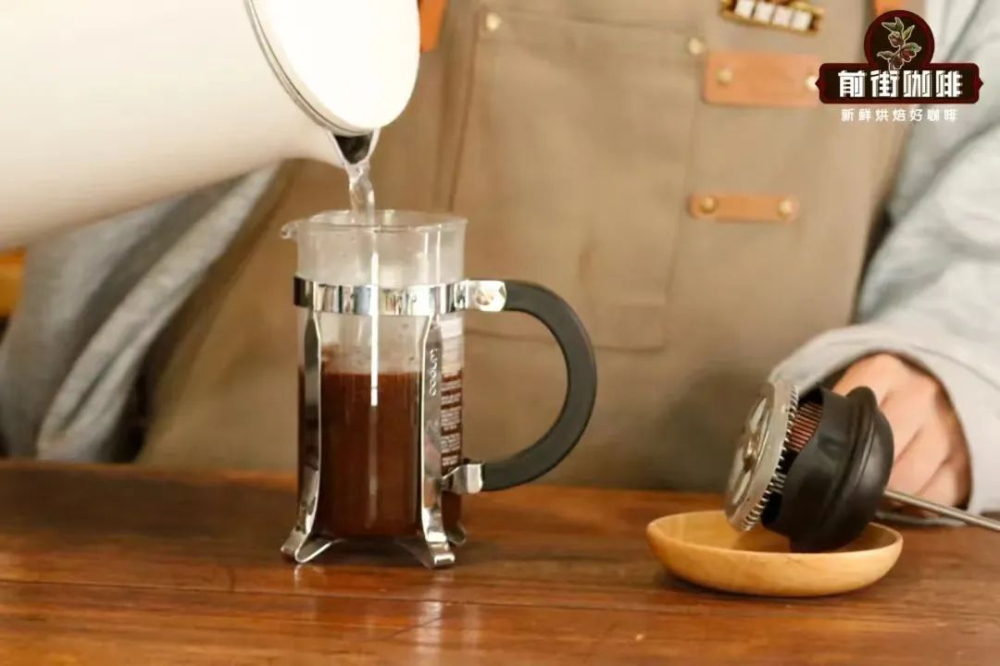
Steps: First, preheat the French press with warm water and discard the water; add the medium-coarse ground coffee, then pour 225 ml of 90℃ hot water. The pouring motion can be relatively vigorous — aim to complete pouring in about 3 seconds, using the strong flow to agitate the coffee grounds thoroughly and improve extraction efficiency. After pouring, lift the plunger and cover the lid, then let it steep for 4 minutes. Once the time is up, press the plunger down gently and slowly,stopping when it has descended to about 1/4 of the carafe’s heightto avoid disturbing the fine grounds settled at the bottom. Finally, pour out all the coffee liquid and enjoy.
That’s all there is to using a French press. Take this cup of Mozart as an example: once poured, a rich aroma of fermented raisins wafts up. On the palate, it offers a blend of berry juice-like sweetness and orange blossom notes, with a vivid fermented character, and a fruity sweet-and-sour finish reminiscent of pineapple. Once you’ve mastered the three key parameters — grind size, water temperature, and steeping time — the French press is absolutely the easiest starting point for exploring the world of black coffee.
The above content is compiled by CoffeeHunters, a coffee news website.


