








Introduction:Whether you’re opening a coffee shop or managing your own home coffee corner, choosing the right roast level is key to crafting a unique flavor profile. This article delves into the flavor characteristics, suitable scenarios, and practical considerations of light, medium, and dark roasts—helping you determine the most suitable roast style based on your menu positioning, equipment setup, and target customers, along with practical advice from bean selection to extraction.
The roast level of coffee beans is a core factor in shaping the overall flavor profile of a cup. Different roast depths directly influence aroma expression, acid-sweet balance, and mouthfeel, thereby defining the overall taste impression of your shop. Light roasts often showcase bright acidity, floral and fruity notes, and a tea-like quality, making them ideal for highlighting regional characteristics. Medium roasts strike a balance between aroma, sweetness, and body, suiting a diverse menu. Dark roasts focus on rich cocoa, nutty, and toasty flavors, easily establishing a familiar coffee experience for customers. When planning your coffee shop menu, it’s helpful to first clarify the main direction along this flavor spectrum.
The standout feature of light roast beans lies in their preservation of the coffee’s original, rich aromas. Upon tasting, they often deliver clear, bright acidity along with fresh citrus, berry, and other fruit notes, with some even exhibiting delicate tea-like undertones—making them highly suitable for pour over, iced pour over, or single-origin presentations. These beans can attract customers interested in exploring layered flavors and serve as signature offerings to catch the eye. However, light roasts are more sensitive to grind size, water temperature control, and extraction timing. Shops need to ensure a stable production process to let the aromas shine clearly without becoming overly sharp or thin.
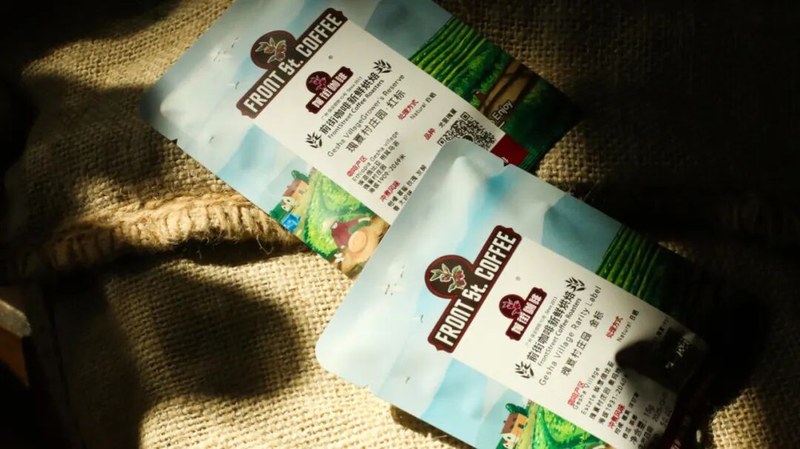
If your shop aims to cater to both black coffee and milk coffee lovers, medium roast is often the easier choice for building a menu. Beans at this roast level usually retain a degree of original aroma while developing sweet, rounded notes akin to caramel, nuts, or cocoa. They don’t taste thin in Americanos and maintain the coffee’s presence even when milk is added. For shops just starting to build their menu, medium roast beans are versatile for crafting various basic drinks—making them an ideal balance of flavor and practicality.
It’s worth noting that medium roast isn’t an absolutely fixed flavor category. Medium roasts closer to the light side tend to present a brighter cup with more pronounced fruit acidity, while those closer to the dark side offer a rounder mouthfeel and more prominent sweetness. When purchasing, it’s recommended to carefully review the roast supplier’s flavor descriptions and usage suggestions, and make a comprehensive judgment based on the types of drinks your shop promotes. If your menu includes both pour overs and lattes, choosing a well-balanced medium roast blend can usually better accommodate both needs.
The advantage of dark roast beans lies in their familiar aroma and full-bodied mouthfeel. Espresso often delivers notes of dark chocolate, roasted nuts, and caramel, which remain distinct even when combined with milk—making it highly suitable for popular milk coffees like hot lattes, flat whites, or mochas. Even for Americanos, the rich body of dark roasts can maintain a certain flavor foundation even after the ice melts.
Dark roast doesn’t necessarily mean strong bitterness—the extraction method and the inherent quality of the beans are equally crucial. High water temperature, excessive puck resistance, or slow flow rate can all lead to a dry or astringent taste. Shops are advised to start testing with a shorter espresso ratio and moderate extraction temperature, focusing on sweetness, body, and finish, then fine-tuning based on equipment conditions and customer feedback.

If your shop needs a high-coverage, easy-to-use daily bean, consider a commercial blend leaning toward medium-dark roast. These beans typically emphasize smoothness, sweetness, and stability in flavor, making them user-friendly for espresso, Americano, or latte preparation on commercial espresso machines. For breakfast, office, or takeout menus, this unobtrusive yet complete style blends more easily into various drink contexts.
Shops that prefer a bold flavor profile can explore blends dominated by dark chocolate and roasted nut notes. These beans offer a thicker sweetness with relatively restrained acidity, delivering a noticeable mouthfeel in short extractions. When milk is added, the coffee and milk flavors create a clear contrast; for hot Americanos, they suit customers who enjoy a rich, low-acid profile.
If you’d like a softer medium roast option for your menu, consider blends based on a harmonious balance of nuts, caramel, and cocoa. These beans are often primarily sourced from Brazil and Colombia, offering a mild mouthfeel for pour over as everyday black coffee. They also provide sufficient sweetness and body for espresso and milk coffees, meeting diverse needs.
When selecting beans in practice, it’s advisable to integrate roast level, primary drink types, and equipment calibration difficulty into a single analysis table. Light roasts are great for creating distinctive flavor highlights, medium roasts expand menu diversity, and dark roasts excel in supporting milk coffees and peak-hour demand. Once the main direction is determined, further compare packaging dates, supply stability, batch flavor variations, and the roast supplier’s technical support—this will help your shop establish a unified and consistent taste experience.
In summary, a coffee shop can choose medium or medium-dark roast as its daily base, paired with a light or dark roast bean to create a contrast between refreshing and bold options. This not only satisfies customers who prefer fruity, tea-like notes but also caters to those who enjoy nutty-cocoa flavors and milk coffees. Roast depth isn’t just a label for beans—it’s an important business decision shaped by menu tone, production efficiency, and customer memory.
The above content is compiled by CoffeeHunters, a coffee news website.

