







Introduction:The oily sheen on the surface of coffee is often seen as a symbol of quality, but it is actually influenced by multiple factors such as roast level, bean freshness, and brewing method. This article delves into the flavor characteristics and oil presentation differences of light, medium, medium-dark, and dark roasted beans, and provides practical extraction parameters and bean selection tips to help you find the coffee beans and brewing method that best suit your taste.
Whether a cup of coffee has rich crema often affects its richness in the mouth and the duration of its aroma. However, a shiny bean surface does not directly equate to necessarily thick crema. In fact, the oily feel is closely related to roast degree, bean freshness, blend composition, and even extraction technique. If you want to choose coffee beans that suit your taste, you might start by understanding different roast depths and exploring their impact on crema and overall flavor.
Lightly roasted coffee beans usually retain more of the origin’s native flavors, commonly featuring bright notes such as floral, fruity, citrus, or berry, with a relatively light body and more pronounced acidity. These beans may not produce thick crema on an espresso machine, but they can showcase bright aromas and clear sweetness. For coffee lovers who enjoy fruit-forward Americanos, iced coffee, or prefer pour over, light roast is an excellent starting point for exploring diverse flavors.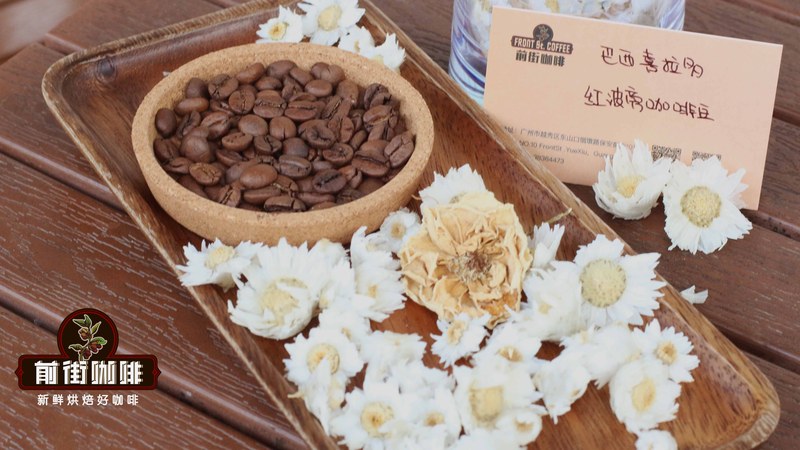
If you hope to extract a fuller body from light roasted beans, you can try slightly increasing the water temperature, using a finer grind, and ensuring sufficient contact time between hot water and coffee grounds. It’s worth noting that under-extraction may result in only sharp acidity and a thin mouthfeel; with proper adjustment, fruit aromas will better integrate with sweetness. For those seeking a stronger oily feel, light roast is better suited for balancing aroma layers and smoothness rather than focusing solely on the amount of surface shine.
Medium roasted coffee beans generally strike a balance between aroma and body, retaining some fruit acidity while gradually showcasing warm notes such as caramel, nuts, or cocoa. These beans are suitable for various brewing methods including pour over, moka pot, and espresso machines—even when made into black coffee, they won’t be overly heavy, and they still maintain the coffee’s inherent flavor characteristics when milk is added, making them an ideal choice for many coffee beginners or everyday drinkers.
For example, a blend based on Brazilian Cerrado and Colombian Huila often carries the aroma of roasted nuts, followed by caramel-like sweetness and cocoa tones. This medium to medium-dark roast style is not only suitable for producing round espressos with an espresso machine, but also offers good drinkability in Americanos, maintaining the coffee’s main flavor profile even when milk is added. The crema of medium roasted beans is usually not intense or thick, but rather presents as soft and cohesive. It is recommended to start with a stable brew ratio and medium water temperature, and observe whether the coffee liquid has a balance of sweetness, aroma, and moderate body. If the taste is too thin, you can slightly adjust to a finer grind; if the aftertaste turns dry, avoid over-extraction to keep the overall profile round and balanced.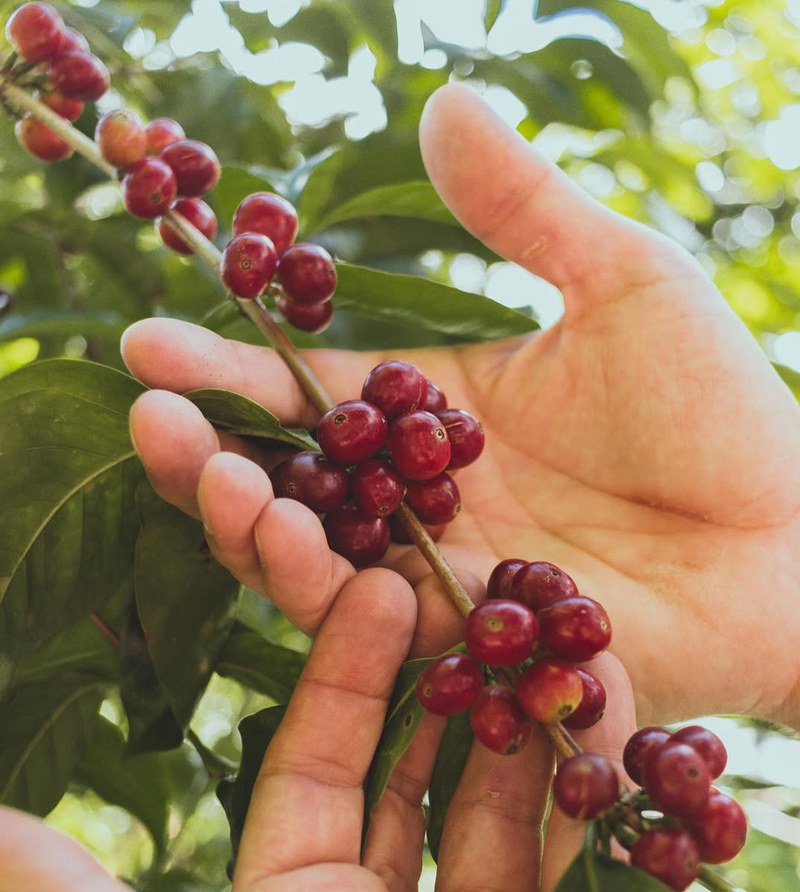
Moving into the medium-dark roast range, the flavors of coffee lean more towards dark chocolate, ripe nuts, caramel, and roasted aromas, with acidity relatively subdued and the mouthfeel becoming more concentrated and bold. Since the beans at this stage are more brittle and soluble substances are released faster, both espresso machines and moka pots can help achieve higher concentration and crema. If you prefer traditional café-style coffee or frequently make milk-based drinks like lattes and cappuccinos, medium-dark roast is a worthwhile option to consider.
Dark roasted coffee beans do not necessarily produce richer crema just because they are darker. In fact, an obviously oily bean surface is mostly due to internal oils being pushed to the surface during the roasting process. If roasted too dark or stored for too long, not only may the aroma become one-dimensional, but the cup is also more prone to astringent bitterness. When selecting, pay attention to the roast date, the bean surface condition, and flavor descriptions, and prioritize dark styles with cocoa, nut, and caramel sweetness—this way, you’re more likely to experience a rich and full-bodied taste, rather than just bitterness.
In summary, the crema characteristics of different roast levels each have their own unique traits: light roast leans toward freshness and aroma expression, medium roast emphasizes sweetness and smooth mouthfeel, while medium-dark and dark roasts focus more on intensity, chocolatey tones, and body in the mouth. When purchasing coffee beans, you might first clarify whether you prefer bright black coffee or rich milk coffee, then choose the appropriate bean based on roast depth. Only by finding the roast style that truly matches your taste can the crema transform into a pleasurable drinking experience.
The above content is compiled by CoffeeHunters, a coffee news website.

