








Introduction:To make your pour over coffee smooth and not overly intense, the key lies in choosing the right roast level. Light, medium, and dark roasts each bring their own flavor profiles, affecting the balance of acidity, sweetness, and bitterness, as well as the overall mouthfeel. This article will delve into how different roast levels influence the flavor of pour over coffee, helping you select the most suitable beans and brewing strategy based on your personal taste preferences—so you can easily brew a rich and balanced cup of coffee.
In the world of pour over coffee, achieving that ideal “not too acidic, not too bitter” flavor is closely tied to the roast level. It’s not just about the intensity of flavors, but also about how different degrees of roasting bring out the vibrancy of acidity, the richness of sweetness, and the layers of aroma. What we call “not too acidic, not too bitter” is actually about finding a comfortable balance between brightness and body that suits your palate.
If you enjoy fresh, bright floral and fruity notes, then light roast is a great place to start. These beans preserve the original characteristics of their origin, often featuring notes of citrus, berries, tropical fruits, or even floral aromas. The acidity here is more lively, not sharp or biting, but rather like the natural tartness and sweetness of fruit juice. If you prefer a refreshing cup but don’t want the flavors to be too sharp, go for a light roast bean with noticeable sweetness, and use slightly lower water temperature (around 88–90°C), medium-fine grind, and a steady center pour to bring out a smoother mouthfeel.

For example, a light roast bean with distinct citrus and berry tones may initially present a refreshing fruity aroma, followed by subtle floral notes, and even a green tea-like aftertaste as it cools. When brewing, it’s recommended to lower the water temperature to avoid over-extraction. If the acidity still feels too dominant, try adjusting to a slightly finer grind and extending the extraction time to help release more sweetness.
However, keep in mind that light roast doesn’t necessarily mean acidic. If the water temperature is too low, the grind is too coarse, or the pouring is too conservative, it may lead to under-extraction, resulting in a coffee that is only sharply acidic with little sweetness to support it. If you find the coffee tasting only acidic and thin, you can moderately increase the water temperature or extend the extraction time. Conversely, if the finish has an unpleasant dry or astringent sensation, it may be due to over-extraction in the later stages—try reducing agitation or shortening the final pour duration.
If you find light roast too vibrant, medium roast might be a more approachable option. This roast range typically transforms floral and fruity notes into smoother, more mellow flavors like ripe fruit, caramel, nuts, or even cocoa, with acidity becoming less upfront and sweetness and body more pronounced. For those transitioning from instant coffee or milk-based coffee to pour over, medium roast beans retain the regional characteristics of the coffee while keeping the flavors from being too intense or jarring.
When selecting medium roast beans, check the product description for mentions of fruit, syrup, nuts, or chocolate. If only strong roasted or burnt notes are present, the coffee might taste dull; but if only sharp fruit acids dominate, it may not meet expectations either. Usually, medium roast beans with mature fruit aromas and smooth caramel tones strike a good balance between brightness and roundness, suiting the taste of most people.
When brewing medium roast, it’s recommended to start with a common water temperature (around 90–92°C) and a standard coffee-to-water ratio (such as 1:15 to 1:16), without deliberately aiming for an overly slow flow rate. If the cup tastes too acidic, you can slightly raise the water temperature or extend the contact time between water and coffee to enhance sweetness. If bitterness becomes more noticeable, adjust to a coarser grind or reduce the amount and duration of water poured in the later stages, aiming for a more cohesive and smooth overall mouthfeel.
As for dark roast, it’s the choice for those who prefer a bold, full-bodied flavor. The flavors of these coffees usually revolve around dark chocolate, caramel, nuts, and some herbal undertones, with acidity being more restrained and the overall mouthfeel richer. If you don’t enjoy prominent fruit acids and want your black coffee to have a certain weightiness, dark roast pour over is worth trying. However, dark roast doesn’t necessarily mean bitter—the roast level, grind size, and extraction time all greatly influence the final flavor profile.
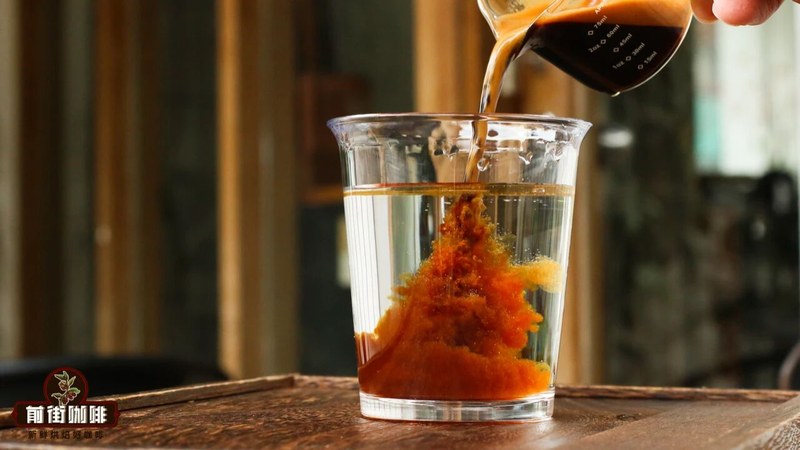
For instance, some darker-roasted Indonesian beans often feature distinct herbal and dark chocolate aromas, with a full body and low acidity, making them suitable for drinkers who prefer low-acid, rich flavors. When brewing, it’s recommended to use a slightly lower water temperature (e.g., 88–90°C) and control the total extraction time to avoid excessive burnt or bitter notes from high heat. Additionally, these beans can also deliver a stable, full-bodied base when used for Americano or brewed with a mocha pot, making them ideal for coffee lovers who favor a solid, steady flavor.
If you’re looking for more flexibility between low acidity and fruity notes, you can also try some light roast beans with pronounced fruit aromas, such as those featuring passion fruit, blueberry, grape, or apricot notes. These beans are usually juicy and rich, well-suited for methods like iced pour over or cold drip. Once chilled, the acidity becomes even softer. Choosing single-origin beans (SOE) can further intensify the fruit expression, delivering a more focused flavor experience.
Finally, remember that roast level is just a starting point for gauging flavor—the actual taste you experience will also be influenced by multiple factors such as bean freshness, grind size, water quality, and brewing technique. When selecting beans, you can use light roast as a reference for bright aromas, medium roast for balanced sweetness, and dark roast for full body and low acidity. Then, adjust based on your tolerance for acidity and preferred mouthfeel to gradually fine-tune your ideal pour over flavor combination. Once you find your own direction, pour over becomes more than just trial and guesswork—it transforms into an enjoyable daily ritual.
The above content is compiled by CoffeeHunters, a coffee news website.


