







Introduction:To brew a smooth, non-acidic pour over coffee, start with selecting coffee beans roasted to the right degree. This article details the flavor profiles of light, medium, medium-dark, and dark roasts, analyzing how different roast levels affect acidity, sweetness, and body. It also offers practical bean selection tips and brewing techniques to help you find the roast level that best suits your personal taste.
Many beginners in pour over coffee often encounter overly acidic flavors. In fact, simply observing the roast level of the coffee beans can help you effectively manage acidity. Generally speaking, the deeper the roast, the less noticeable the acidity, while sweetness and body gradually increase. However, each roast style has its own unique charm—the key is to find the balance that matches your taste.
Lightly roasted coffee beans usually retain the most original flavor characteristics of the coffee origin, such as bright fruit acidity, floral notes, or even tea-like qualities. These beans have a fresh aroma and a bright taste, making them suitable for drinkers who prefer a clean and refreshing style. However, if you typically enjoy smoother, rounder flavors, light roasts may not be your first choice. That said, some light-to-medium roasts offer softer acidity with fruity sweetness or tea-like sensations—just control the water temperature and extraction time during brewing, and you can still bring out their charming flavors. We recommend choosing light-to-medium roasts labeled as “soft acidity,” “prominent sweetness,” or “rounded mouthfeel,” and avoid using excessively high water temperatures or overly prolonged extraction times.
Medium roast is the entry favorite for many coffee enthusiasts because this roast range balances acidity and sweetness, aroma complexity, and body thickness. At this stage, the coffee not only retains some regional characteristics but also begins to develop associations with caramel, nuts, or cocoa. The acidity isn’t too prominent, and the overall profile is more harmonious. If you’re looking for a black coffee with a full and deep flavor, consider beans described as “medium roast,” “balanced,” or “nutty sweetness.”
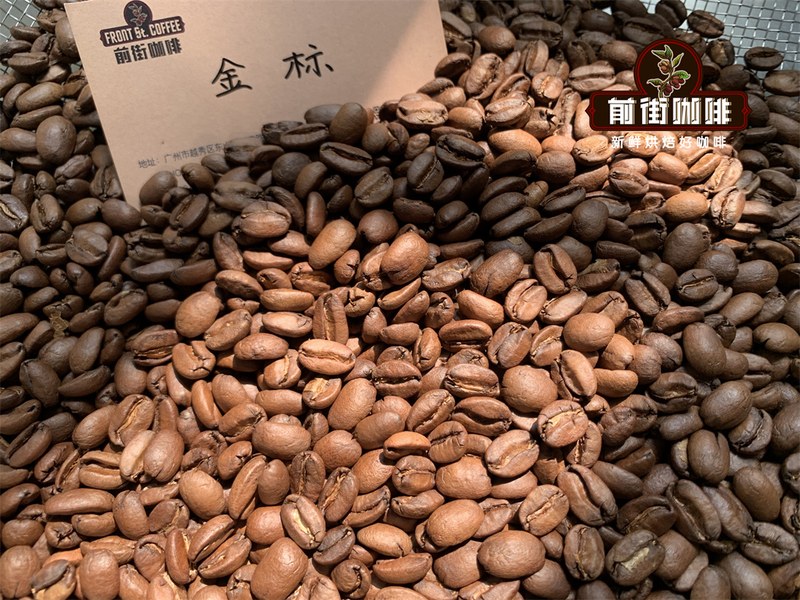
Medium-dark roasts further reduce fruit acidity and instead highlight the sweetness of caramel, dark chocolate, roasted nuts, and ripe fruits. These beans are ideal for those who prefer a solid, warming finish—especially suited for enjoying with bread, toast, or light cream pastries in the morning. During brewing, we recommend using moderate water temperature and shortening the contact time between water and coffee grounds to enhance sweetness while preserving some aromatic layers.
As for dark roasts, their flavors are often more intense and concentrated, with a sweet-bitter tone, notes of cocoa, caramel, and subtle smoky or roasted impressions taking center stage, while acidity fades into the background. If you’re a fan of bold, rich black coffee, dark roast pour over can deliver a thick, dark chocolate-like mouthfeel. But be mindful—darker roasts don’t always benefit from higher temperatures. Excessively high water temperatures or longer extraction times can easily lead to a dry or astringent taste. Mastering the right parameters is key to achieving the best possible body and richness.
Among the many medium roast options, a specialty blend based on Brazilian Cerrado and Colombian Huila is a great everyday recommendation. Its flavor profile is dominated by roasted nuts, caramel sweetness, and cocoa notes, with low acidity. When brewed as hot black coffee, it delivers a smooth cup, and when used in milk coffee, it still preserves clear coffee aromas.
If you prefer a gentler experience compared to nutty or cocoa tones, try Papua New Guinea Paradise Bird, which features clean, rounded flavors and restrained sweetness. This bean is often likened to classic Blue Mountain style. When brewed at medium or medium-dark roast levels, it’s recommended to enjoy it as a warm black coffee—it’s soft on the palate, and its sweetness becomes more noticeable when chilled.
In addition to looking at roast level, don’t overlook the flavor descriptors on the coffee bag. Beans labeled with “floral,” “citrus,” “berry,” or “high acidity” may still maintain a brighter acid profile even if they are medium roasted. Conversely, descriptions with words like “nuts,” “cocoa,” “caramel,” or “full-bodied” usually indicate a lower acidity tendency. Roast level gives you the general direction, while flavor keywords help you anticipate the actual cupping experience.
When brewing beans of the same roast level, start with a moderate coffee-to-water ratio, then fine-tune according to taste. If you find the flavor thin or the acidity too prominent, try grinding slightly finer and extending the water-to-coffee contact time. If bitterness, astringency, or dryness in the throat occurs, try coarser grinding or reducing water volume in the later stages of brewing. Adjusting one variable at a time makes it easier to find your optimal parameter combination.
Finally, when purchasing coffee beans, consider the roast date, packaging size, and your personal brewing frequency. For those who frequently brew pour over, choosing medium or medium-dark roasted beans with stable flavors not only allows for continuous enjoyment but also helps develop your personal taste preferences. If you brew occasionally, feel free to experiment with different roast depths to experience variations in nutty sweetness, cocoa body, and roasted aromas. Finding your own non-acidic direction often starts with a smooth medium roast, and then gradually exploring lighter or darker roast worlds.
The above content is compiled by CoffeeHunters, a coffee news website.


