







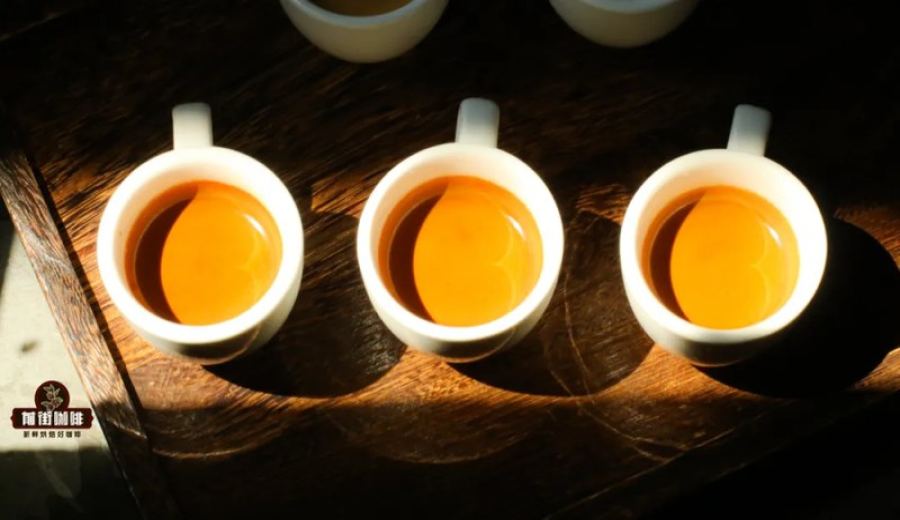
Introduction:Pour over coffee doesn’t have to be limited to the bright and fresh notes of light roasts—medium-dark and dark roast beans can also showcase rich and layered flavors. This article will guide you through the flavor transitions from medium-dark to dark roasts, teach you how to choose suitable dark roast pour over beans based on your personal taste, and share practical tips on water temperature, grind size, and brewing methods, so you can easily brew a bold yet refined black coffee.
The charm of pour over coffee is not confined to the bright and vibrant notes of light roasts. When the roast level moves into the medium-dark or dark range, the coffee reveals intense cocoa, nutty, caramel, and subtle roasty aromas, with a fuller body and relatively softer acidity. As long as you master the key points of extraction, dark roast beans can still deliver clear sweetness and a smooth texture.
Choosing a dark roast is actually more like a continuous spectrum rather than a single fixed label. Medium-dark roasts often still retain some regional characteristics, with fresher aromas and sweetness; as the roast deepens, the caramelization reaction becomes more pronounced, and the coffee’s profile turns richer and fuller—especially suitable for those who prefer low-acidity, bold black coffee.
If you’re not particularly fond of prominent fruit acidity, it’s recommended to start with medium-dark roasts. These beans don’t emphasize high-toned fruit acids like light roasts do, nor do they highlight the roastiness too early, often resulting in a rounder cup. During pour over, it’s suggested to use slightly lower water temperature and a medium grind size. This helps preserve the aromas of nuts, cocoa, and caramel, making the overall flavor smoother without coming across as dull.
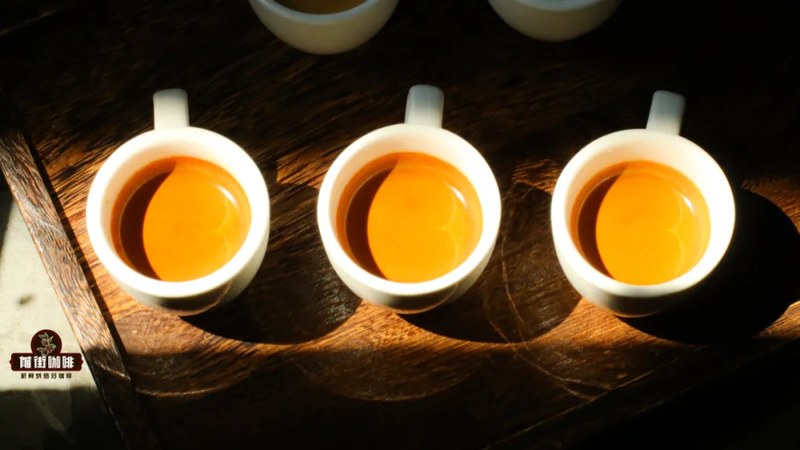
For example, when brewing medium-dark roast beans with moderate water temperature and a steady, continuous pouring technique, the coffee grounds can absorb water evenly, thereby bringing out more complete aromas and sweetness. If you find the flavor a bit light, you can slightly adjust to a finer grind; but if the finish shows bitterness or dryness, consider using a coarser grind to reduce the risk of over-extraction in the later stages, helping to preserve the charming caramel sweetness rather than just roasted bitterness.
As the roast level deepens further, the coffee’s aroma shifts from candy-like sweetness to a more robust profile of dark chocolate, dark nuts, and cocoa powder, while acidity decreases further and body significantly increases. Such coffees are ideal for those who want a bold mouthfeel but don’t want to be overwhelmed by strong fruit acids. At this stage, the focus of pour over is no longer about extending extraction time, but rather pursuing a clean and precise brewing method to better maintain flavor balance.
Even when brewed at home, these dark roast coffees can still showcase the richness of dark chocolate and the fullness of nuts. It’s recommended not to overly pursue an intense shot-like concentration during brewing—adjusting the coffee-to-water ratio moderately or keeping the water flow steadier can help bring out the nuanced layers of cocoa and nuts. Even when diluted, you can still sense the transition from bold to smooth.
There’s also another category of dark roast beans whose focus isn’t on intense roastiness, but rather on delivering low-acidity, clean, and soft flavor profiles. These beans are suitable for those who aren’t accustomed to fruity acidity but still want to retain the refreshing quality of pour over coffee. These beans often have a round body and subtle sweetness, allowing you to enjoy their delicate flavors even without milk.
When selecting dark roast pour over beans, besides checking the roast level information on the packaging, you can also refer to the flavor descriptions for further judgment. If it’s a medium-dark roast, look for keywords like nuts, caramel, and creamy cocoa; for dark roasts, prioritize products that emphasize dark chocolate, dark-roasted nuts, and a full-bodied texture. During actual brewing, it’s recommended to start with moderate water temperature and a medium grind—if the cup presents sweetness and a smooth mouthfeel, it means the flavor profile of that bean is well-suited to your taste.
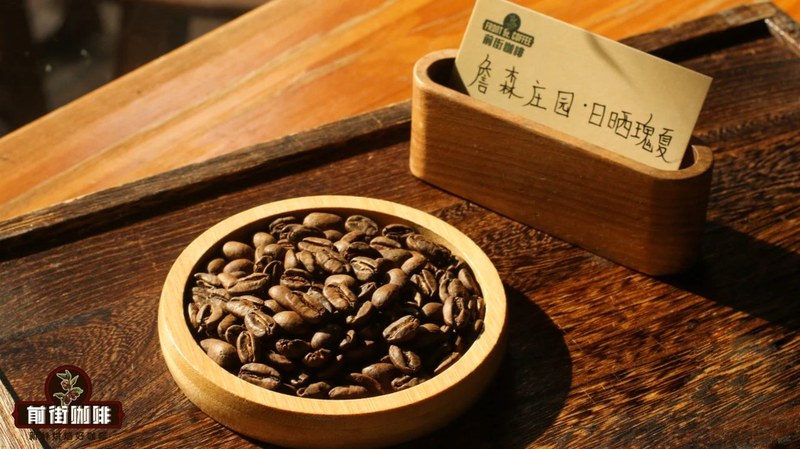
In summary, roast level is not just a factor influencing flavor—it’s directly connected to your overall satisfaction when drinking coffee. Medium-dark roasts offer rich sweetness and layered complexity, dark roasts present a fuller and more stable mouthfeel, and dark-to-dark-medium roasts can push cocoa and roasty aromas to the forefront. When brewing dark roast beans using pour over, start from the acidity level and body weight you can comfortably enjoy, and gradually explore the flavor range that suits you. As long as you find the right choice, boldness can also be clear, enjoyable, and even become that indispensable daily cup.
The above content is compiled by CoffeeHunters, a coffee news website.


