








Introduction:Medium-roast pour-over beans are often considered a "safe choice," but in reality, there's a significant difference in flavor profile and suitable scenarios from light-medium to dark-medium roasts. This article will guide you through the subtle differences within the medium roast range, helping you choose the coffee beans that best suit your preferred balance of acidity and sweetness, mouthfeel thickness, and daily usage scenario. We’ve also included practical extraction parameter suggestions to help you easily brew your ideal cup.
The charm of medium-roast coffee beans lies in their versatility, not limited to a single flavor direction. When the roast level leans toward light-medium, the cup often showcases clear floral notes, bright fruit acidity, and a soft tea-like texture; if slightly darker, moving into medium-dark roast, it brings out caramel-like sweetness, nutty tones, and a fuller body. By mastering the degree of roast, you can quickly assess the basic character of a coffee, and then further refine your selection by considering the origin and detailed flavor descriptions to find the perfect match.
For pour-over beginners, it’s helpful to think of medium roast as a continuous spectrum rather than a rigid dividing line. Slightly lighter medium roasts usually present a light and bright character, suitable for those who want to savor the unique traits of the origin; standard medium roasts emphasize a balance between acidity, sweetness, and body, making them ideal for everyday enjoyment; while slightly darker medium roasts offer a richer, more robust mouthfeel with a heavier body—perfect for an energizing morning cup or for those who prefer strong black coffee.

Slightly lighter medium-roast coffees often lead with aroma. When brewed with moderate water temperature using the pour-over method, floral notes gradually unfold during the bloom phase, and upon tasting, you may perceive bright fruit acids like citrus and berries, followed by a tea-like lightness in the aftertaste. The acidity of these beans is generally not overly sharp but instead serves to brighten the overall flavor, making the coffee refreshing and vibrant.
For example, a bean from a renowned origin with bright citrus and small berry aromas may not have an overpowering floral presence, and often finishes with a clean, tea-like aftertaste. When brewing, it’s recommended to use medium water temperature and adopt a gentler pouring technique to allow the aromas to release steadily; if you try making a cold brew version, the fruit acidity will become even softer, suitable for drinkers who enjoy a refreshing yet non-stimulating cup.
Moving closer to the standard medium roast, the sweetness becomes more pronounced, and the acidity transitions from a bright expression to a rounder and softer one. These coffees may first present the sweetness of ripe fruit, followed by a silky-smooth texture reminiscent of syrup, and the finish remains substantial without being overly clean or thin. This balanced style is very suitable for daily pour-over brewing and pairs easily with bread, oatmeal, or buttery breakfast foods.
A certain medium-roast bean known for its tropical fruit aromas often evokes thoughts of the sweetness of strawberries and passionfruit, with a distinct and recognizable sweetness. When hot-brewed, the aroma is vivid, while ice pour-over can concentrate the sweet-and-acidic expression; if you prefer cold drinks, its cold brew version can also showcase a soft and smooth fruity flavor, suitable for a variety of drinking situations.
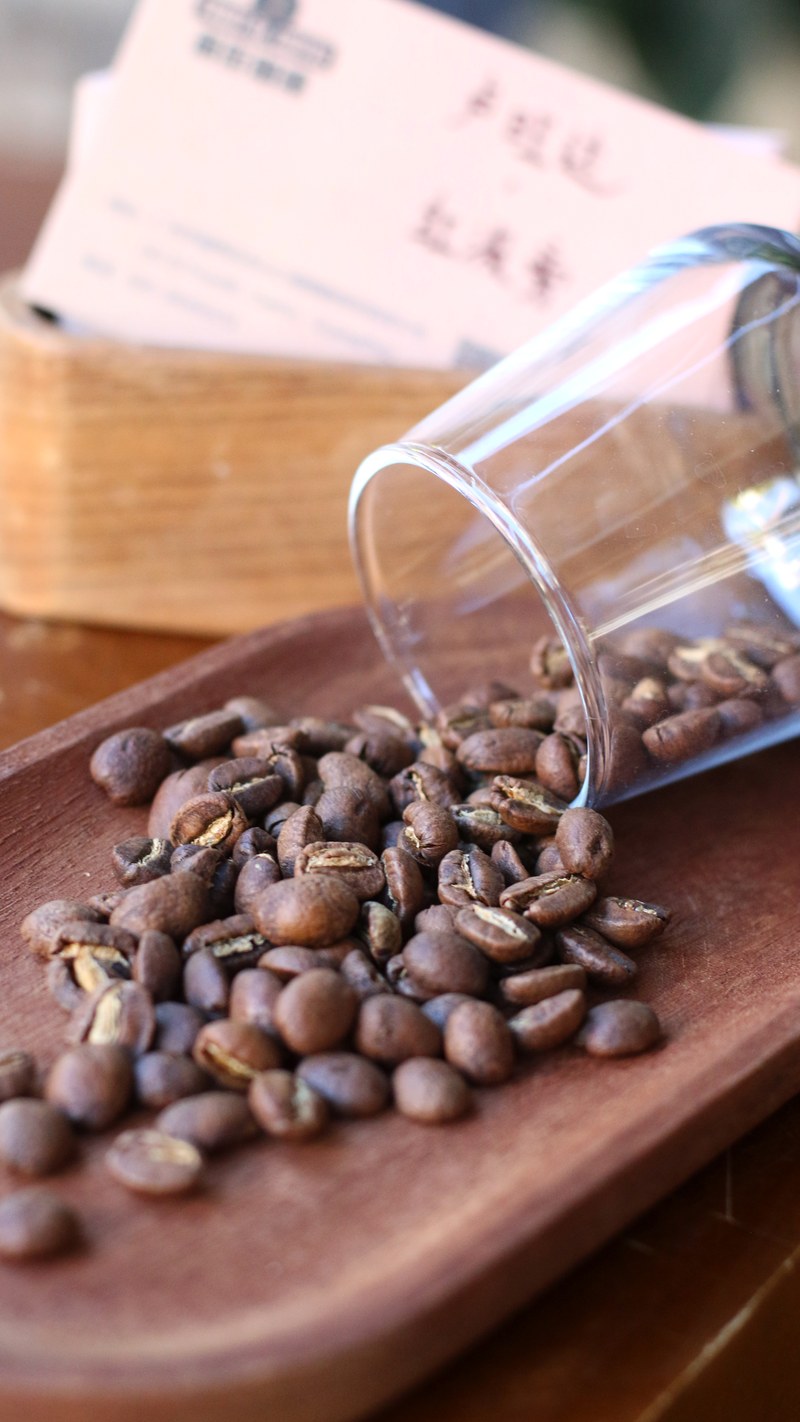
Slightly darker medium roasts do not focus on bitterness but shift the flavor emphasis toward richer elements such as brown sugar, cocoa, and ripe fruit, while also delivering a fuller body. These beans offer a high level of versatility for everyday drinking—even when the temperature drops slightly, they still maintain pleasant sweetness, making them suitable for drinkers who enjoy a certain weightiness without venturing into the burnt bitterness of dark roasts.
For instance, a highly distinctive dark-medium roast bean may feature the bright character of cherry tomatoes, interwoven with the sweet-sour taste of black plums, and a finish that reveals a honey-like sweetness reminiscent of brown sugar. When brewing, it’s advised to maintain a stable coffee bed and avoid excessive agitation—this way, you can preserve the juicy and lively mouthfeel while ensuring a clearer finish, making it ideal for coffee lovers who enjoy the contrast between acidity and sweetness.
When adjusting pour-over parameters, it’s recommended to start with water temperature and grind size. Slightly lighter medium roasts usually require higher water temperatures to fully express their flavors, whereas slightly darker medium roasts can use relatively lower temperatures to avoid over-extraction and bitterness. If the mouthfeel feels too thin, you can slightly adjust to a finer grind; if the finish turns dry or astringent, consider reducing stirring or shortening the contact time between coffee grounds and water.
When purchasing medium-roast pour-over beans, it’s advisable to first check whether the packaging clearly indicates the roast level, then select based on your preferred mouthfeel weight. Readers who enjoy floral-fruity notes and tea-like layers might start exploring with slightly lighter medium roasts; if you prioritize sweetness and overall balance, standard medium roast is a safer bet; and for those who prefer a solid, full-bodied mouthfeel, slightly darker medium roasts are the way to go. Once you’ve clarified your direction, comparing the detailed flavor descriptions of each bean will further help you achieve ideal results in your daily brewing.
The above content is compiled by CoffeeHunters, a coffee news website.


