







Introduction:When selecting Yirgacheffe, the roast level not only influences the flavor profile but also determines the most suitable brewing method and daily pairing. This article explores the characteristics, purchasing options, and practical extraction tips for Yirgacheffe across light to medium-dark roasts, helping you find the most fitting Yirgacheffe experience based on your taste preferences and brewing habits.
The choice of Yirgacheffe to purchase is closely related to its roast level. If you’re drawn to bright fruity notes, delicate floral aromas, and a refreshing mouthfeel, it’s advisable to prioritize single-origin beans with light roasts offered by specialty coffee shops. For those who prefer a balanced profile with gentle sweetness and restrained acidity, medium-roast batches are worth looking into. If you’re accustomed to espresso, moka pot brews, or coffee with milk, consider products roasted to medium-dark or darker levels.
When purchasing online from roasting shops, you can usually find detailed information on the origin, processing methods, roast dates, and flavor descriptions, which is very convenient for consumers aiming to precisely filter based on roast direction. When making a selection, don’t just look at the name “Yirgacheffe”—pay close attention to whether the product page clearly indicates light, medium, or medium-dark roast, as well as the recommended brewing method for that batch. Since different shops may define roast levels slightly differently, if in doubt, don’t hesitate to ask the shop about their cupping impressions.
Light-roasted Yirgacheffe is more commonly found on the online platforms of specialty coffee shops and professional roasting brands. These beans typically retain more of the origin’s native aromas, and after brewing, they often present flavors such as citrus, berries, flowers, or tropical fruits, but they are relatively sensitive to grind size, water temperature control, and pouring rhythm. For first-timers trying this type of bean, it’s recommended to start with a small pack and experience it via pour over or iced pour over before deciding whether to include it in your long-term collection.
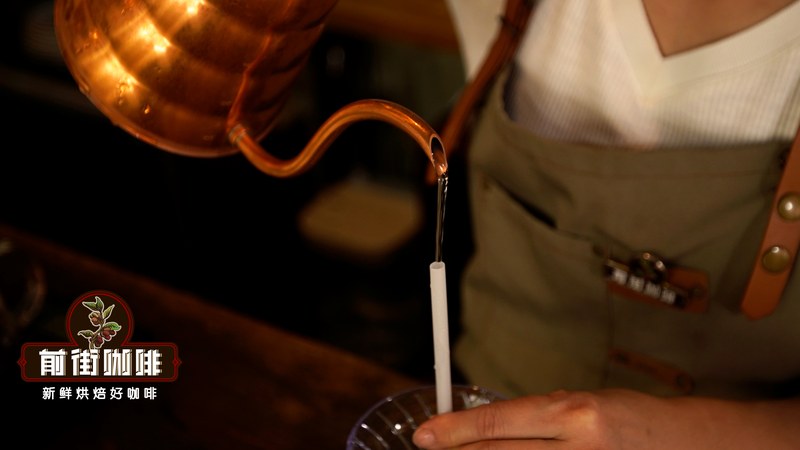
For example, certain well-known Yirgacheffe from renowned producing regions can be found in the single-origin section of specialty roasting shops, labeled as light roast. Their aroma profiles often lean toward tropical fruits and red berries, with a distinct sweetness upon tasting, and the flavors become even fresher and lighter when served chilled. Black coffee lovers who enjoy fruity profiles can try brewing with a filter dripper; during hot weather, using hot water for brewing followed by rapid cooling can also help maintain clarity of aroma.
Medium-roasted Yirgacheffe has relatively diverse purchasing channels—whether at specialty cafés, the official websites of roasting brands, or the coffee sections of general e-commerce platforms, there’s a good chance you’ll find some. Compared to light roasts, medium roasts generally have rounder acidity, with more pronounced sweetness and tea-like qualities, along with a fuller body, making them better suited for everyday settings like breakfast, office use, or afternoon breaks.
Some classic medium-roast Yirgacheffes can exhibit excellent balance. For instance, certain batches from well-known producing regions offer a light-mouthfeel upon entry, with citrus and ripe apricot-like fruitiness, and as the temperature drops, tea-like and sweet creamy notes gradually emerge. When selecting, look out for products labeled as medium-light or medium roast—whether brewed with a pour over dripper or a clever dripper, their characteristics can shine through, and they’re also suitable for black coffee lovers who dislike overly sharp acidity.
As for medium-dark roasted Yirgacheffe, it’s more advisable to purchase through cafés, espresso-focused specialty stores, or sales channels that provide specific brewing recommendations. Beans roasted in this direction tend to subdue bright fruit acids, instead presenting warm-toned flavors such as caramel, cocoa, and roasted nuts, and they have a richer mouthfeel. If you mainly use an espresso machine, moka pot, or are accustomed to having coffee with milk, it’s recommended to ask the seller whether the roast curve has been adjusted for these brewing methods.
If you choose to buy Yirgacheffe from supermarkets or large e-commerce platforms, you’ll need to pay extra attention to the information on the packaging. If it’s only labeled as “dark roast” or “rich and bold” without providing details such as roast date, bean form, and origin, the actual flavor may be rather ordinary, leaning toward a generic type of coffee. For consumers seeking the unique characteristics of single-origin coffee, it’s recommended to prioritize products with transparent information, clear packaging dates, and those that can offer recommended grind sizes.
In addition to product information, judging whether a purchasing channel suits you also involves observing after-sales service and freshness management. When buying online, check how soon after roasting the beans are shipped to ensure you receive them while they still retain good flavor; at physical stores, observe the roast date and storage condition on the bean bags. Generally speaking, whole beans are better than pre-ground coffee powder for flavor adjustment—if you don’t own a grinder, it’s recommended to ask the shop to provide grind sizes tailored to your needs for pour over, French press, or espresso machines, rather than using a one-size-fits-all grind for all brewing methods.
Finally, adjustments to the brewing method should also complement the roast level. For light roasts, it’s suggested to use slightly higher water temperature and a finer grind to help fully express the aroma, but if the taste becomes too sharp, you can moderately reduce agitation or shorten the extraction time. Medium roasts are suitable for starting with a stable coffee-to-water ratio, observing whether the sweetness is balanced. For medium-dark roasts, consider using slightly lower water temperature and a shorter extraction process to avoid bitterness and dryness masking the original flavor layers.
In summary, when choosing Yirgacheffe, you can first confirm the roast direction through familiar purchasing channels, then use small packs to establish your personal flavor benchmark. If you enjoy floral and fruity aromas, feel free to explore light-roast single origins; for those seeking a mellow black coffee with tea-like qualities, medium roast is a great choice; if you frequently make milk coffee or espresso, you might extend your options to medium-dark roasts. In this way, selecting coffee isn’t just about choosing an origin name—it’s about finding the coffee experience that best fits your daily drinking habits.
The above content is compiled by CoffeeHunters, a coffee news website.

