








Introduction:Choosing the right coffee beans is the key to enjoying a great cup every day. This article explores the flavor profiles and brewing methods suited to light, medium, and dark roasts, helping you find the beans that best match your taste preferences and daily habits. Whether you’re a pour over enthusiast or prefer milk-based coffee, you’ll find practical advice and recommended directions here.
The value of coffee beans for long-term purchase doesn’t lie in how intense their flavors are, but whether they can stably integrate into your daily routine. Roast level is actually the most intuitive basis for judgment: light roast emphasizes floral and fruity aromas with bright acidity and sweetness, medium roast focuses on overall balance and natural sweetness, while dark roast showcases rich, bold, and smooth textures. Starting from the flavors you enjoy, repurchasing becomes much more straightforward.
Light roasted coffee beans typically retain the most origin characteristics—opening the bag reveals distinct floral, citrus, berry, or even tropical fruit aromas. The flavors are vibrant, with bright acidity, and the layers become even more pronounced as the coffee cools. These beans are particularly well-suited for pour over or iced pour over, allowing their delicate aromas to shine. If you prefer a clean, juice-like mouthfeel and are willing to spend a bit of time adjusting grind size and water temperature, then light roast beans are a highly satisfying choice.
For example, a light roasted Gesha bean from a highland region may carry a subtle floral dry aroma, and upon brewing, releases sweet notes reminiscent of guava, apricot, and berry jam, delivering a full-bodied flavor. When using a pour over filter, it’s recommended to use slightly higher water temperature combined with a pulse pouring technique to help unfold the aromas layer by layer; the fruit jam-like quality often becomes more apparent as the coffee cools.

If you don’t enjoy overly sharp acidity but still want to experience the unique fruity notes of light roast, some beans offer a softer balance of acid and sweetness. For instance, certain Kenyan light roast beans with tomato-like notes may present impressions of fresh cherry tomatoes, dark plums, and light syrup, with bright acidity yet a sweet foundation. These beans are great for making refreshing black coffee via pour over, or can be enjoyed over ice, where the fruity notes come through more directly—ideal for those looking to vary their daily flavor.
The medium-light to medium roast range is often the daily go-to for many coffee lovers, as these roasts preserve origin aromas without requiring overly complex brewing adjustments. Beans in this range suit various brewing methods, including pour over, siphon, and home drip, and can also be used to make black coffee without milk. For those transitioning from dark roast to single-origin coffee, medium roast is often a smoother choice, with more noticeable and identifiable sweetness and body.
Take a medium-light roasted forest-flavor bean as an example—it often presents a bright and fresh citrus-like note akin to orange, gentle fruit sweetness similar to ripe apricot, and an aftertaste reminiscent of oolong tea. Such beans are suitable for breakfast or afternoon consumption; they’re refreshing when hot, and as the temperature drops, the sweetness becomes more prominent. When brewing with pour over, there’s no need to chase high concentration—keeping the taste clean actually better highlights its natural sweetness.
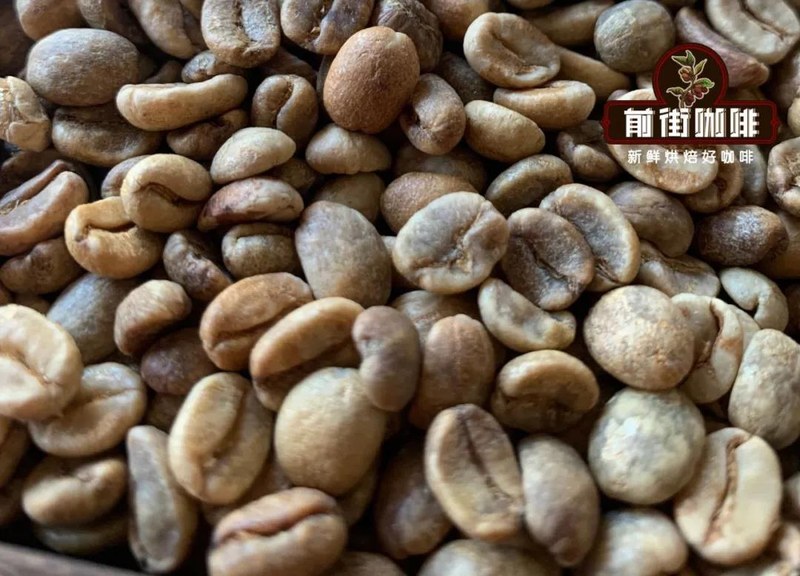
Moving into the medium-dark roast range, coffee beans begin to show richer caramel, nutty, cocoa, and toasted aromas, with acidity relatively subdued and body noticeably increased. These beans are excellent for making espresso, moka pot coffee, or various milk-based coffees, especially for those who want a quick, rich cup in the morning or desire a perfect harmony between coffee and milk. Even for those who prefer black coffee, proper control of espresso concentration can still preserve its rounded sweetness.
Take a Brazilian medium-dark roasted bean that highlights nut and cocoa flavors as an example—it has soft acidity, a full body without being thin. When using a moka pot, it’s recommended to extract with low heat to allow the coffee to flow steadily, avoiding high temperatures that could lead to burnt bitterness in the later draw; if using an espresso machine, try starting with a shorter extraction ratio. Once milk is added, the nut and cocoa aromas transform into a creamy chocolate-like warmth, making it very suitable for daily breakfast pairings.
Dark roast is often misunderstood as being solely bitter, but high-quality dark roast beans can also deliver layers of black chocolate, roasted nuts, and caramelized sweetness. To evaluate whether a dark roast bean is worth repurchasing, observe whether its finish is clean in espresso, black coffee, or milk coffee, and whether its aroma blends well with milk. It’s generally recommended to start brewing with slightly lower water temperature, a coarser grind, or a shorter brew time—this often results in a smoother cup.
It’s important to note that even within the same roast level, actual flavor performance may still vary depending on processing method, storage condition, and brewing equipment. When purchasing, prioritize checking roast date, packaging seal, and refer to the official recommended brewing methods. Light roast beans usually require more sufficient extraction time, medium roast beans can start with balanced concentration, while dark roast beans should avoid over-extraction to prevent intensifying bitterness.
If you have both pour over and espresso equipment at home, consider assigning different roast levels to different roles: light roast beans for showcasing aroma and fruit acidity, medium roast beans for balance and versatility, and dark roast beans for richness and milk coffee fusion. Truly worthwhile coffee beans for long-term repurchase should not only be enjoyable, but also consistently perform well on your usual brewing setup. Choose the roast level that aligns with your preferred flavor profile, and coffee becomes not just a novelty, but a daily highlight.
The above content is compiled by CoffeeHunters, a coffee news website.

