








Introduction:Coffee made with a Bialetti Moka Pot has a richness that falls between pour over and espresso, making it enjoyable on its own or customized by adding water, ice, or milk. However, the roast level of the coffee beans is the key factor influencing the final flavor. This article analyzes how different roast levels—light, medium, medium-dark, and dark—affect Moka Pot brews, and provides practical guidance on bean selection and brewing to help you choose the best beans and method based on your taste preferences.
The coffee brewed with a Bialetti Moka Pot has a richness that sits between pour over and espresso. Whether enjoyed as a straight black coffee, diluted with water, cooled with ice, or mixed with milk to make a latte, it showcases different charms. And among these,the roast level of the coffee beansis a crucial factor determining the final flavor profile, including aroma complexity, acidity-sweetness balance, sweetness expression, and overall body. Therefore, when selecting beans for the Moka Pot, start by considering the four main roast categories—light, medium, medium-dark, and dark—and then refine your choice based on personal preference.
Light Roast Coffee BeansDue to their shorter roasting time, light roast beans retain more of the unique flavor characteristics of their origin, such as pronounced citrus, berry, delicate floral notes, and even tea-like qualities. When extracted at high temperatures with a Moka Pot, these subtle aromas and acids become even more prominent. However, because the Moka Pot concentrates heat and has a short extraction time,the grind size for light roast beans should not be too fine.It is recommended to use a medium-coarse grind and control the flame to medium-low to avoid extracting overly sharp acidity, ensuring a clean and balanced cup.
This type of coffee is great when diluted with water to adjust strength into a refreshing Americano; or poured immediately into a cup pre-filled with ice to become an iced Moka-style brew. If you're new to light roast flavors, opt forbeans with noticeable sweetness, gentle acidity, and fruity profiles,as these are generally more approachable and help build a positive impression of light roasts.
Medium Roast Coffee BeansStrike a good balance between aroma, sweetness, and body, showcasing roasty notes without being overly intense or thin. Take Brazilian Queen Estate as an example—when brewed with a Moka Pot, it offers sweet notes of roasted nuts, caramel, and cocoa, with soft acidity, making it suitable for drinking black or with a small amount of milk. These stable and approachable flavors are especially well-suited for everyday home drinking.
With medium roast beans, you can let the brewed coffee sit in a small cup to observe how the sweetness gradually emerges as it cools; alternatively, add hot water to make a rich homemade Americano. For those who prefer milk coffee, it's advised not to use too much milk, so the nutty and caramelly notes remain distinct—perfect for breakfast or afternoon breaks.
Moving on toMedium-Dark Roast, the coffee’s body and sweetness become more pronounced. Common flavors such as brown sugar, nuts, cocoa, and dark grain notes are fully expressed under the high-temperature extraction of the Moka Pot. This roast level aligns very well with the Moka Pot’s characteristics, especially for those seeking a “full-bodied” black coffee. For example, classic blends with a flavor structure centered around nuts, cocoa, and caramel offer smooth transitions between layers and are ideal for daily enjoyment.
Milk coffee fans, such as those who enjoy lattes or flat whites, may also consider starting with medium-dark roast beans. While Moka Pot coffee isn’t as intensely concentrated as professional espresso machine output, medium-dark roasts provide enough body to ensure the core coffee flavors remain clear even with milk. For regular Americano drinkers, try extracting with slightly less water first to experience the concentrated flavor, then gradually add water to taste and notice the shifts in sweetness layers.
As forDark Roast Coffee Beans,they typically have lower acidity, with flavors dominated by dark chocolate, herbs, woody notes, and distinct roasty characteristics. The overall mouthfeel is fuller. Indonesian Golden Mandheling is one representative of dark roast, highlighting herbal and dark chocolate notes. When brewed with a Moka Pot, it delivers a smooth cup suitable for breakfast or when you need a pick-me-up. However, because dark roast beans tend to release more bitterness and astringency, it’s recommended toavoid using excessive heatand stop applying heat at the right time to prevent over-extraction.
In practice, the grind size for dark roast beans in a Moka Pot can be slightly coarser than the standard for espresso machines. When loading the coffee, keep the coffee bed level but avoid compacting it too firmly. During heating, use a low flame and observe the color change of the coffee liquid. When the color lightens and the dripping sound becomes more pronounced, it’s time to stop heating—this helps achieve a smooth, non-bitter cup.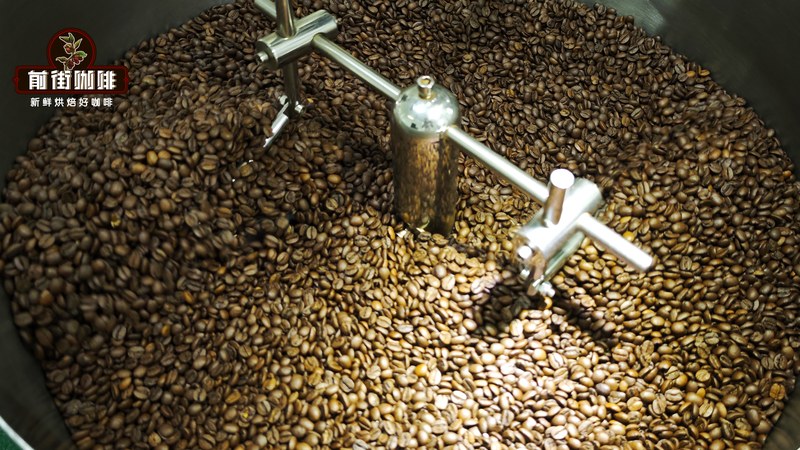
In summary, when choosing beans based on roast level, in addition to considering the inherent flavor profile of the beans, also take into account your preferred method of drinking—whether you add water or milk. Light roast suits those seeking bright acidity, fruity notes, and aromatic complexity; medium roast offers balanced sweetness and a soft mouthfeel; medium-dark roast is ideal for everyday black coffee and milk coffee; while dark roast is great for those who love bold, full-bodied cups with cocoa and chocolate notes.
If you have multiple family members with diverse tastes, it’s advisable to start with medium or medium-dark roast beans, as these roast levels generally cater to a wider range of palates. Moreover, even within the same roast level,grind fineness, water temperature, and heating pacecan significantly affect the final flavor. It is recommended to fine-tune these parameters gradually to find your optimal Moka Pot brewing formula.
The Bialetti Moka Pot is highly versatile and not limited to any single style of coffee bean. The key lies in complementing the roast characteristics of the beans with your drinking habits. Whether you’re drawn to bright and clean black coffee, balanced medium-roast beans, or rich and bold dark roast flavors, mastering the interplay between roast level and brewing parameters will allow you to brew a satisfying cup with your Bialetti Moka Pot.
The above content is compiled by CoffeeHunters, a coffee news website.

