








Introduction:How can you enhance the overall flavor complexity and harmony of a latte brewed with a moka pot by selecting coffee beans with the appropriate roast level? This article delves into the performance differences of light, medium, medium-dark, and dark roasted beans in milk coffee, and offers practical brewing tips to help you find the bean variety and extraction method that best suits your taste.
Coffee brewed with a moka pot has a concentration that falls between that of pour over and espresso. When milk is added, it’s essential to preserve the coffee’s inherent aroma and character without having it completely overwhelmed by the milkiness. Therefore, choosing the right roast level is one of the keys to making a delicious moka pot latte. Different roast levels directly influence the balance of acidity and sweetness, aroma expression, body, as well as the clarity and harmony when mixed with milk.

Lightly roasted coffee beans typically exhibit a brighter acidity and lively floral and fruity aromas, which become even more pronounced when extracted with a moka pot. If you use a smaller amount of milk, you can clearly perceive notes of citrus, berries, or a light tea-like quality; however, if the proportion of milk is high, the acidic notes may soften, and the body of the coffee might also seem thin. This style is better suited for those who prefer a refreshing and bright-flavored milk coffee. It’s recommended to choose lightly roasted beans with natural sweetness rather than those that only emphasize high acidity. In terms of operation, you can set the water temperature slightly higher but not exceeding the standard range, maintain steady and gentle heat, and stop heating once the color of the coffee liquid begins to lighten. This helps retain the fruity and floral characteristics while reducing harsh bitterness in the aftertaste. Paired with a small amount of milk, making it into a small cup latte or something similar to an flat white can better highlight its fresh and clean qualities.
Medium roasted beans strike a good balance between fruity brightness and body, often carrying sweet notes akin to dried fruit or caramel, while also providing sufficient body to support the addition of milk. For those trying moka pot lattes for the first time, beans within this roast range are generally easier to handle—whether enjoyed black or with milk foam, they showcase a clear and smooth flavor profile. For example, common medium-roasted blends often present a sweet and mellow impression of roasted nuts, cocoa, and syrup in the cup. The coffee itself has a certain body, and even when hot milk is added, the core coffee flavors remain distinctly recognizable. They are suitable for breakfast, light afternoon meals, or sharing at home. Brewed in standard latte proportions, their flavor is neither monotonous nor overly intense.
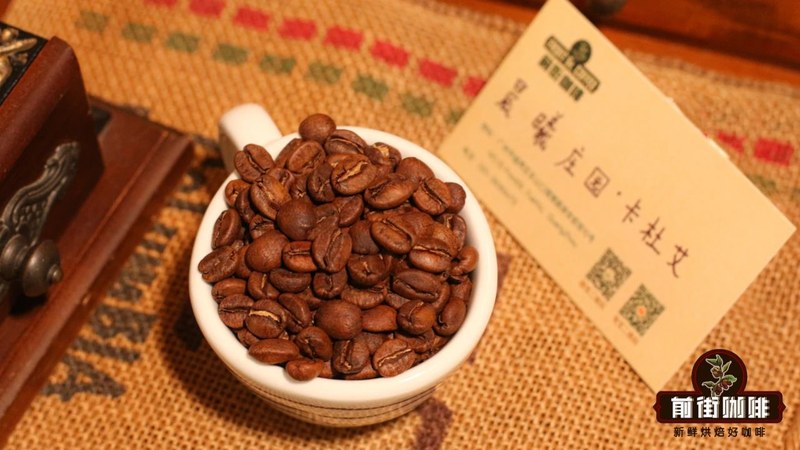
Moving into the medium-dark to dark roast range, the dominant flavors of the coffee gradually shift toward dark chocolate, dark nuts, caramel, and subtle smoky woody notes. When these types of beans are combined with milk, they often yield a rich and smooth texture reminiscent of chocolate beverages, with lower acidity and a fuller mouthfeel. If you enjoy a pronounced coffee flavor, delicate milk foam, and a cocoa-like bitter-sweet finish, you might want to start exploring medium-dark to dark roasted beans. For instance, certain dark roast blends specifically designed for milk coffee can present a robust impression of chocolate and nuts under the influence of milk. With an appropriate amount of hot milk added, the texture becomes even smoother, and the acidity doesn’t overpower the overall profile. Depending on personal preference, you can adjust the milk ratio accordingly—reducing the milk can intensify the dark flavors, while increasing it creates a softer and more mellow mouthfeel.
If you don’t prefer an overly intense roast character, some medium-dark roast beans can also offer a clean, rounded, and softly sweet experience. These coffees, when made into hot lattes, tend to yield a smooth overall flavor with gentle associations of nuts and cocoa, without the heavy roast suppressing the layers of the milk—making them suitable for those seeking balanced taste profiles.
When choosing a roast level, you can also adjust based on your usual milk ratio. For smaller cups with less milk, try medium-roasted beans or those with bright aromatic qualities to showcase more layers of flavor; for larger cups, higher milk ratios, or when you prefer iced lattes, medium-dark roasted beans can provide greater body and stability. Additionally, if you’re used to drinking with little or no sugar, choosing beans with caramel, nut, and cocoa tonalities can naturally bring out a sense of sweetness, enriching the overall flavor profile.
When using a moka pot, it’s advisable not to tamp the coffee bed too firmly—the ideal density is more like a pancake than a cookie. Grind size can be slightly coarser than typical espresso grind, and after filling, simply level the coffee bed gently with a scrape. Use low to medium heat during brewing, and once the coffee begins to flow steadily, pay attention to the gradual lightening of the liquid’s color. Remove the pot promptly before you hear a noticeable sputtering sound. Overheating can cause excessive boiling, amplifying burnt and bitter notes while masking the original sweetness. Before mixing the brewed coffee with milk, it’s recommended to stir it gently to help balance the flavors from the beginning to the end of the brew.
Finally, when purchasing coffee beans, prioritize products that indicate the roast date, come in packaging with a degassing valve, and are labeled for recommended recent consumption. Once opened, store them sealed and away from light, minimizing the beans’ exposure to air each time you use them. You can use the same pot capacity and similar milk quantity to try different roast levels: focus on aroma in light roasts, observe sweetness and overall balance in medium roasts, and experience cocoa aroma and full body in dark roasts. By making direct comparisons, you can identify the roast style that best matches your taste, transforming your moka pot latte from casual experimentation into a daily ritual of consistent enjoyment.
The above content is compiled by CoffeeHunters, a coffee news website.

