







Introduction:Anaerobically processed coffee beans often exhibit intense and distinctive aromas and fruity flavors, but many people encounter issues such as under-extraction and flat flavors when brewing them using pour over methods. This article will delve into the characteristics of anaerobic coffee beans, guiding you step-by-step through key parameters such as grind size, water flow control, and brew ratio to adjust your pour over technique. You’ll learn how to extract coffee that is as vibrant and layered as grape juice, allowing you to enjoy a professional-level anaerobic coffee experience at home.
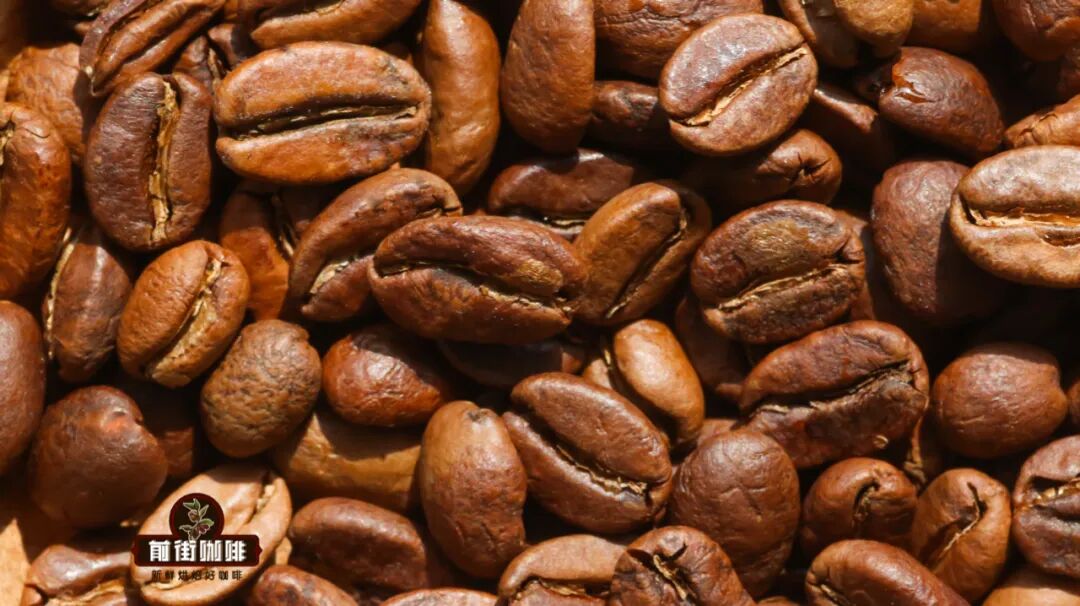
The anaerobic processing method enhances fermentation by controlling the environment, enabling the coffee beans to undergo deeper fermentation in an oxygen-free state. This results in a more intense and recognizable flavor profile. Compared to traditional processing methods, anaerobic coffee often showcases stronger fruitiness and spice notes, and can even present complex layers reminiscent of fermented wine aromas. For example, certain well-known anaerobic batches from renowned producing regions may exhibit distinct longan, spice, and citrus tones, or deep fruit flavors such as blackcurrant and blueberry.
However, the unique processing techniques of anaerobic coffee also make it more challenging to brew via pour over. Many coffee enthusiasts, when attempting to use standard pour over parameters, often face issues such as thin body and incomplete flavor extraction—either the taste is overly light or lacks the desired complexity. To extract the essence of anaerobic coffee, the key lies in adjusting your pour over strategy to suit its characteristics. Every step—from grind fineness and water flow control to brew ratio settings—affects the final flavor expression.
First, grind size is a critical factor that many people overlook when brewing anaerobic coffee. Due to the typically looser structure of anaerobically processed beans, their water retention ability is not as strong as that of regular beans. If you directly use the standard grind size for medium-light roasted beans, it can lead to overly fast drawdown, shortening the extraction time and thereby affecting flavor release. In practice, it is recommended to adjust the grind to be finer than the standard for medium-light roasts—for example, if you normally use a 10 setting for medium-light roasted Hua Kui, try a 9.5 setting. This increases the contact area between coffee grounds and water, slows down the drawdown, and allows more time for flavor compounds to dissolve.
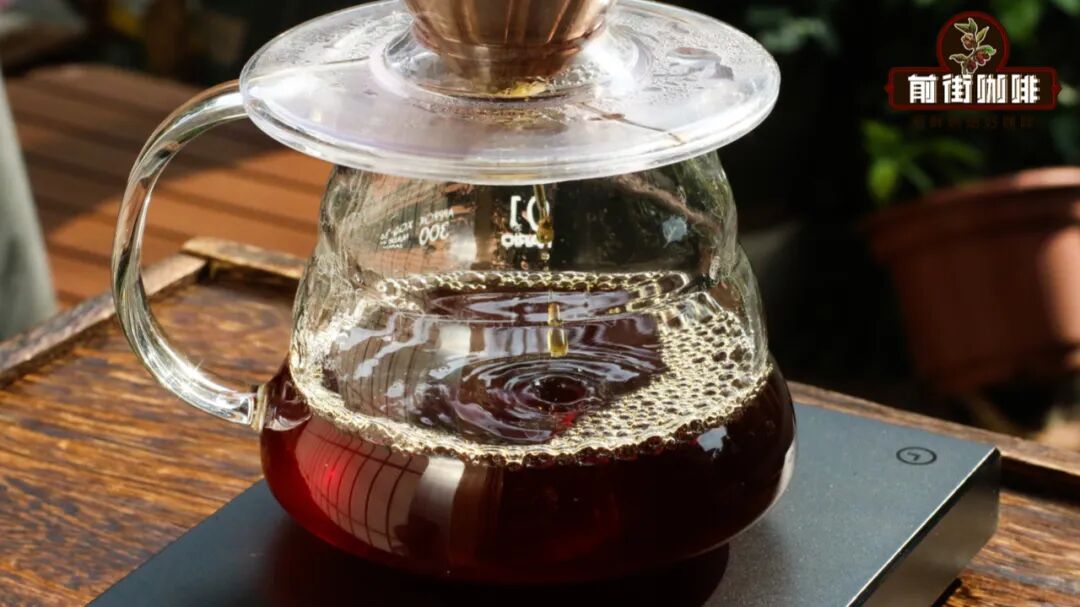
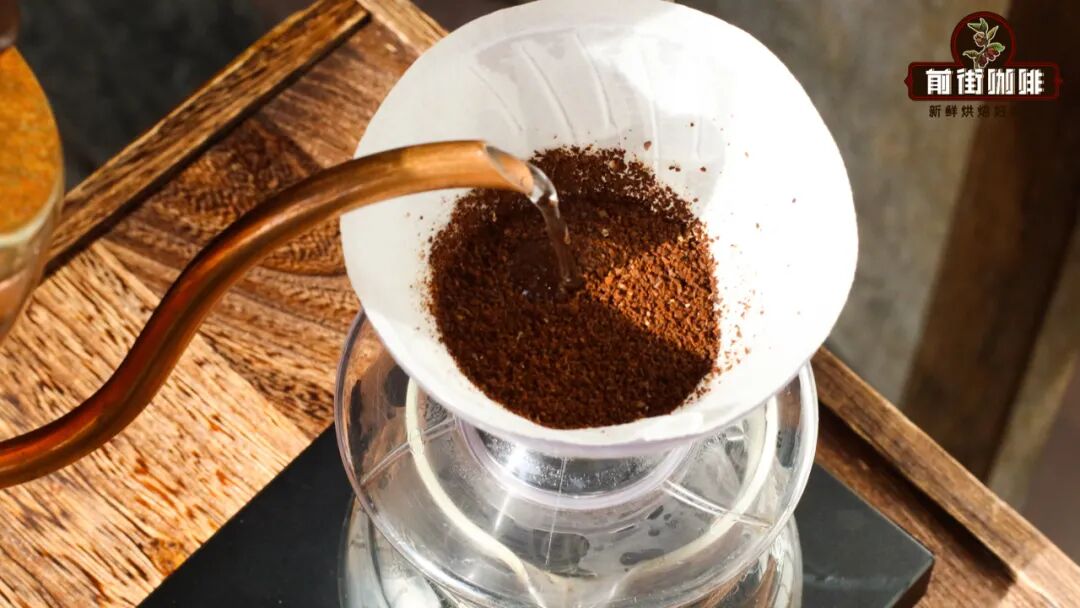
In addition to grind size, water flow rate is another important factor affecting extraction efficiency. A high flow rate can quickly penetrate the coffee bed but tends to accelerate drawdown, resulting in insufficient extraction time. Conversely, maintaining a controlled, lower flow rate extends the contact time between water and coffee grounds, allowing for a fuller release of sugars, acidity, and aroma. Moreover, the coffee bed of anaerobic coffee is usually looser, and a high flow rate can easily pass through the bed, creating “channeling” that bypasses the main extraction zone, further reducing flavor intensity. Therefore, it is recommended to pour with a stable and fine circular water flow, paying special attention to avoiding overly aggressive initial pouring that may disturb the coffee bed excessively.
The brew ratio setting directly impacts the final concentration and flavor balance of the coffee. Due to the higher degree of fermentation, anaerobic coffee already has an inherently intense original flavor concentration. Using a conventional brew ratio below 1:15 can accentuate excessive fermentation or spice notes, which may be unpleasant for some drinkers. It is recommended to try ratios of 1:16 or even higher. By increasing the water volume to dilute the concentration, the flavors become smoother and more approachable, while still preserving the brightness of fruit acids and the delicate layers of aroma. For users who prefer a lighter taste, appropriately increasing the brew ratio is an effective way to reduce flavor impact.
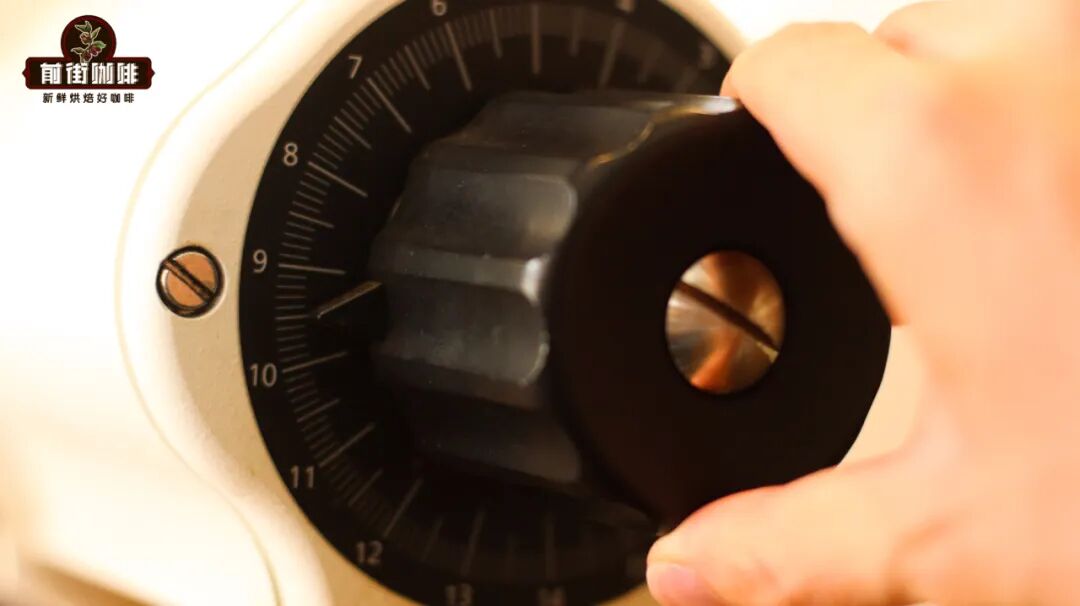
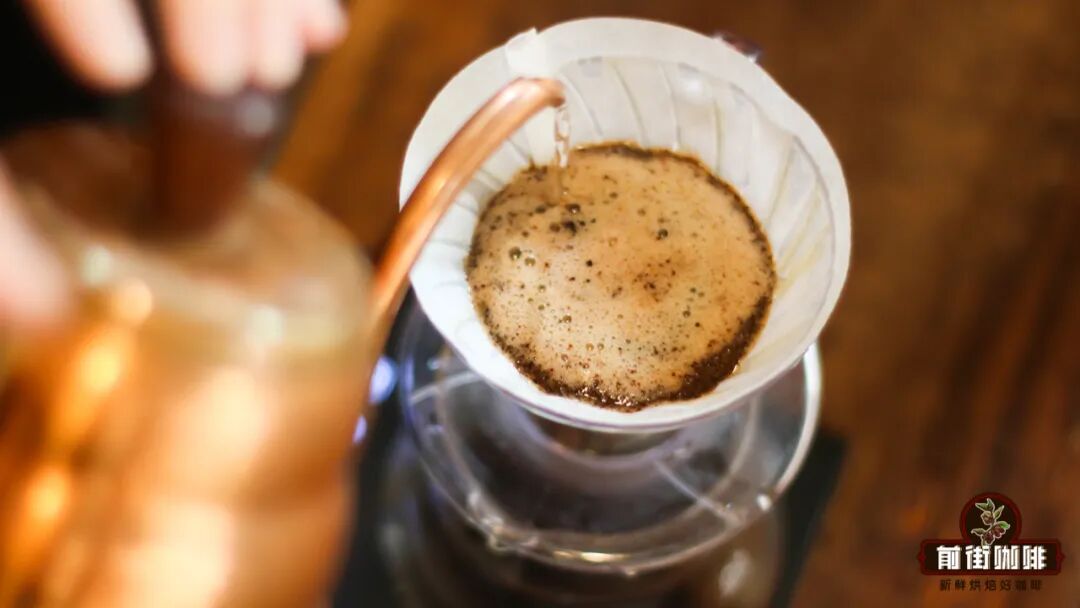


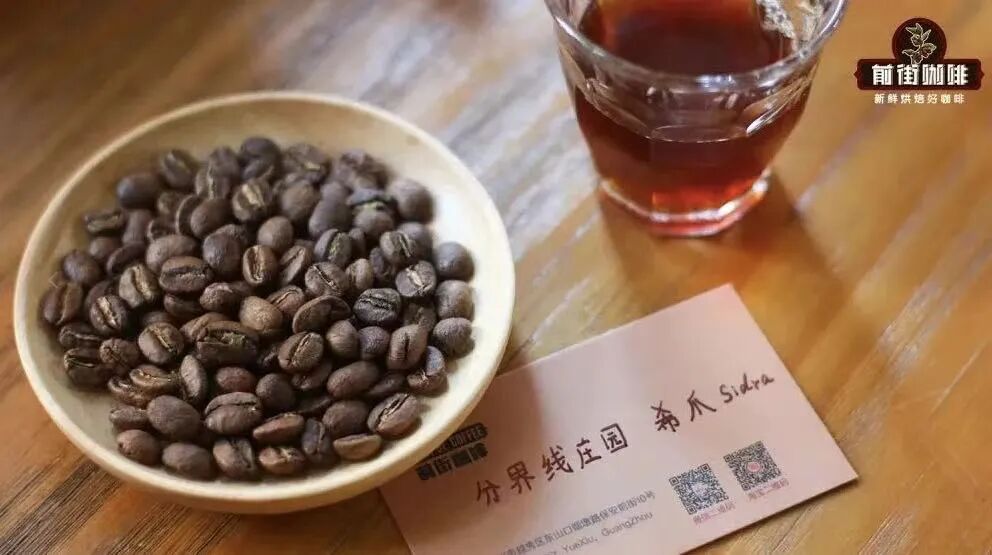
Below is a reference pour over process for anaerobic coffee: Take the ‘[Farm Name] · Sidamo’ as an example (this batch is a popular heavily anaerobic bean from our shop, known for its rich fruitiness and great value). It is recommended to use 15 grams of coffee grounds with a 1:15 brew ratio (total water volume of 225 ml), setting the grind size to 9.5 on the Ek43 grinder (approximately 75% passing through a #20 sieve, similar in fineness to superfine sugar). The brewing water temperature should be controlled at 92°C, using the classic three-pour method with a V60 filter cone for extraction.
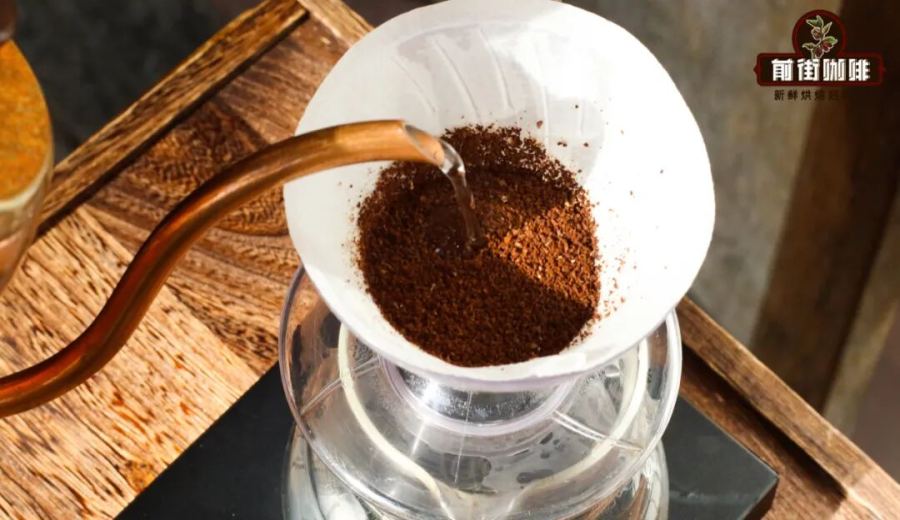
The first step is the bloom: pour an amount of water equal to twice the coffee weight (approximately 30 ml), and let it sit for 30 seconds to initiate the initial release of the coffee grounds. After the bloom, start pouring slowly in small circles from the center of the coffee bed, evenly wetting all the grounds. Then, in the second pour, add about 120 ml of hot water, maintaining a steady flow rate to ensure even saturation of the coffee bed. Observe the drawdown speed—if the water flows through too quickly, you can split the third pour of 75 ml into two parts, or further reduce the flow rate to extend the total extraction time to approximately 1 minute and 55 seconds, ensuring full extraction of flavor compounds.
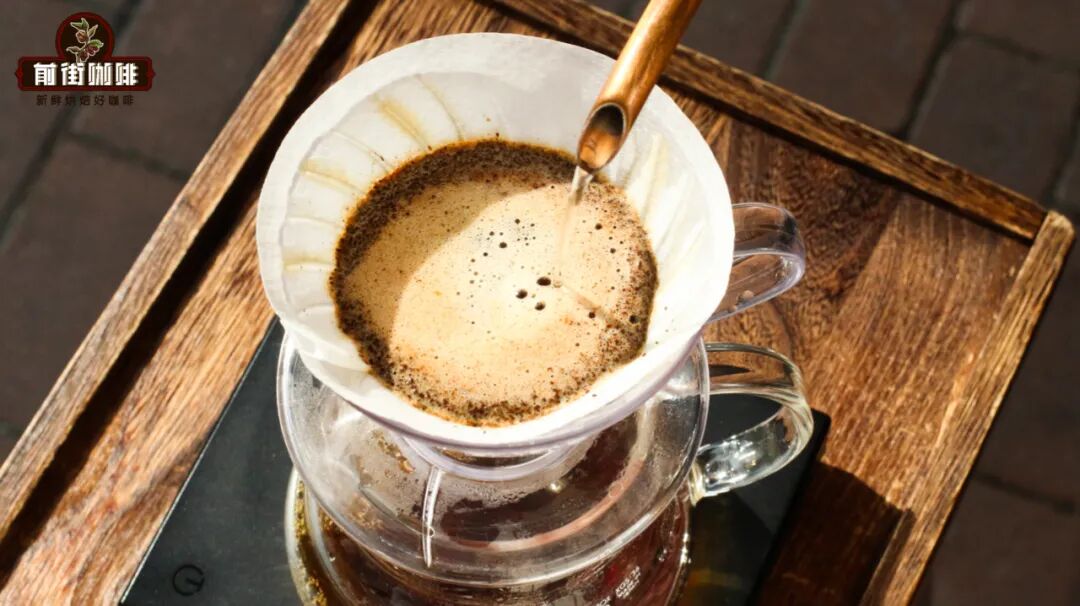
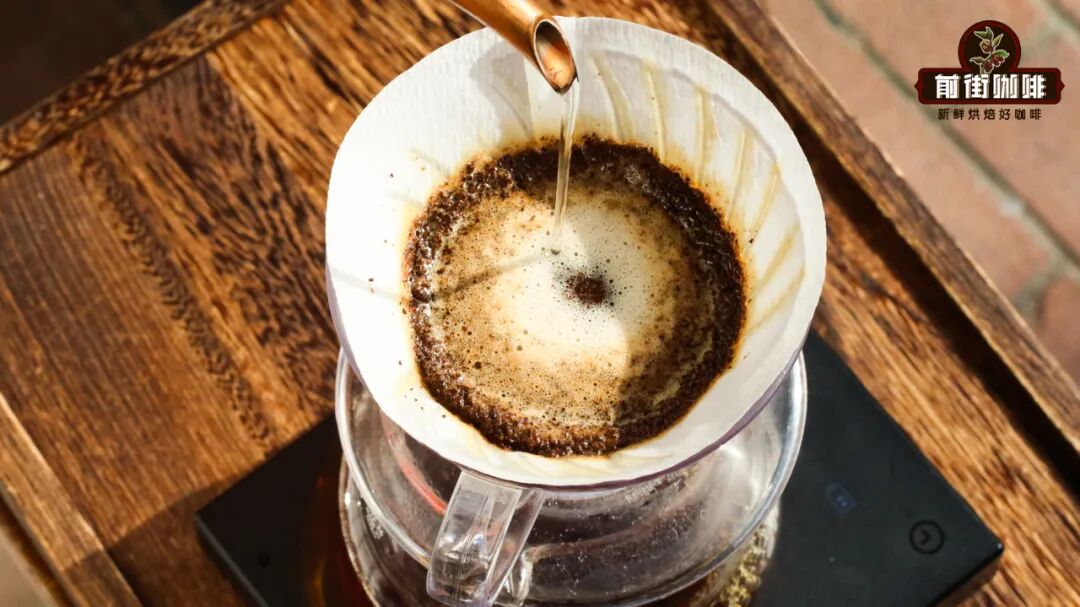
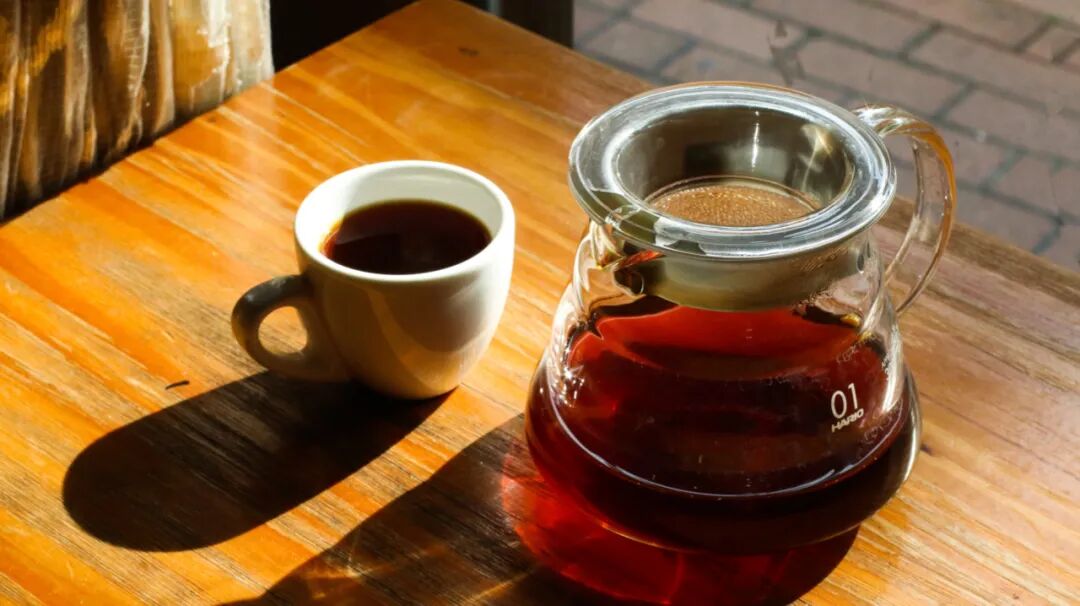
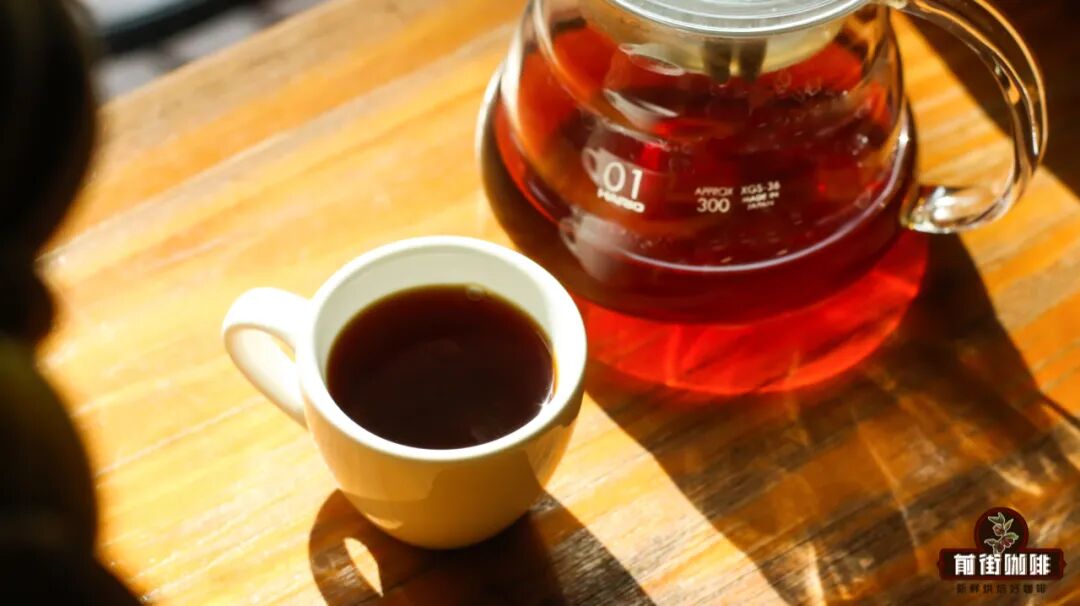
After extraction, pour the coffee into a cup and taste: the first flavors to hit your palate are bright notes of grape, passion fruit, and apricot, accompanied by delicate floral undertones and subtle spice hints. The mouthfeel is round and full-bodied, resembling a freshly pressed glass of grape juice. As the temperature slightly drops, the bright acidity of berries and grapes becomes more prominent, while spice and chocolate notes gradually emerge. The flavor transitions are rich and layered, with an overall profile that balances vibrancy and depth, fully showcasing the unique charm of anaerobic processing.
The above content is compiled by CoffeeHunters, a coffee news website.


