








Introduction:Kenyan coffee is renowned for its vibrant acidity and distinctive plum-like flavor notes, and the key to these characteristics lies in two classic varieties: SL28 and SL34. This article delves into their breeding origins, flavor profiles, and explores how Kenya’s unique washed processing method shapes its richly layered cup profile. It also provides practical brewing references to help you better understand this highly acclaimed coffee bean.
Just as different grape varieties produce wines with vastly different flavors, coffee bean varieties are equally central to defining the final flavor profile. Take Panama’s famous T2722 Geisha, for example, with its iconic white floral and citrus notes that are unforgettable. Today, we’re introducing another star variety from Kenya that delivers outstanding performance—SL28, which is a major contributor to the classic plum flavor and bright acidity that define Kenyan coffee.
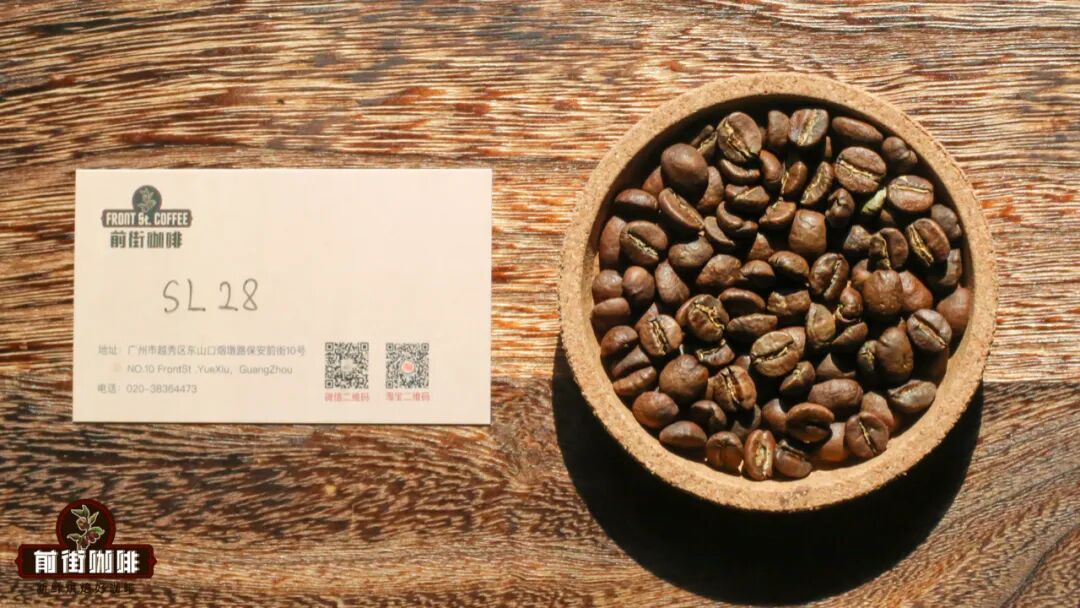
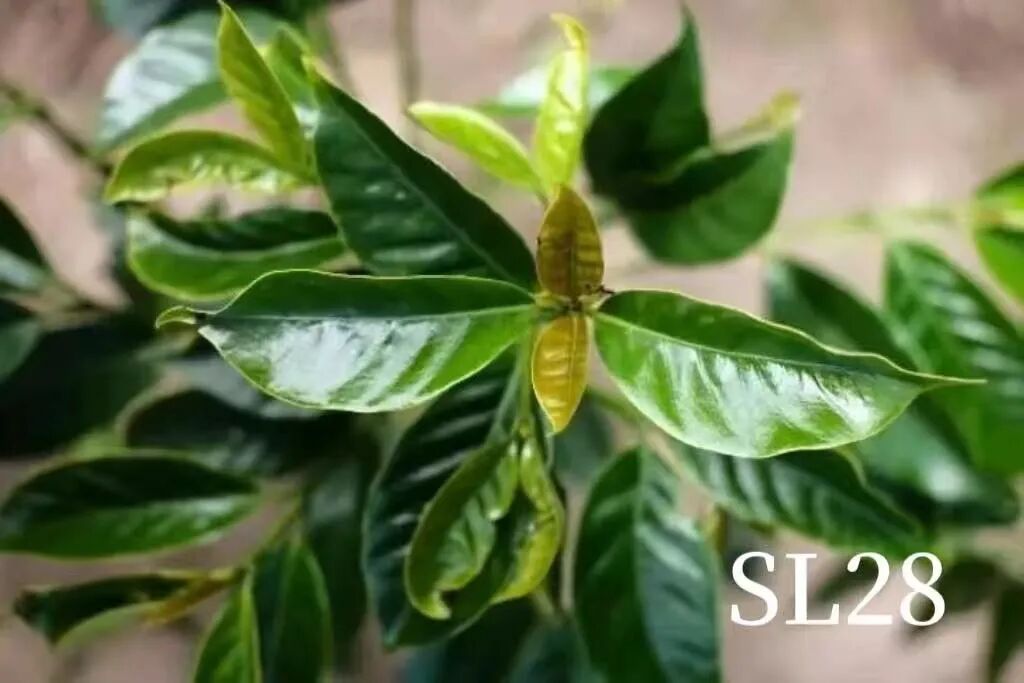
SL28 is arguably one of Kenya’s most representative coffee varieties, belonging to the Bourbon lineage that was selected and cultivated locally in the early 20th century. The research was carried out by the Scott Laboratories, whose abbreviation “SL” gives the variety its code name, while the following number “28” is its experimental designation. Back in the 1930s, the Kenyan government commissioned the laboratory to conduct coffee breeding research, aiming to identify varieties that could adapt to the local terroir, possess commercial potential, and be suitable for large-scale cultivation. Between 1935 and 1939, the research team collected 42 coffee varieties from various origins and conducted comprehensive evaluations on yield, quality, drought resistance, and disease resistance. Ultimately, SL28 and SL34 stood out, becoming the key players behind the creation of the “Kenyan flavor.”
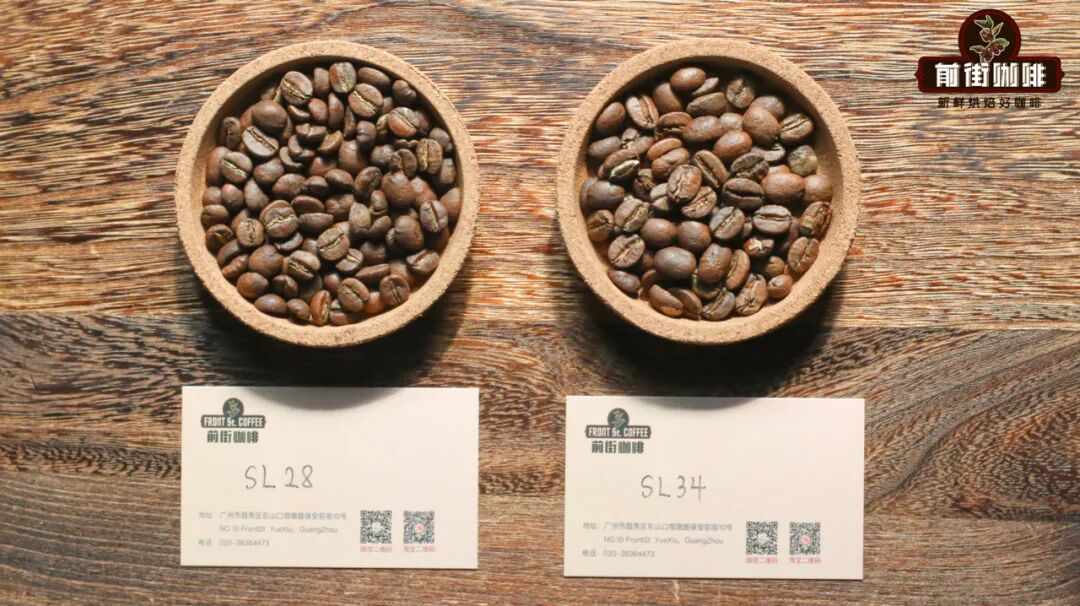
According to historical records, in 1931, senior officials at the Scott Laboratories discovered a coffee variety in Monduli, northeastern Tanganyika (now Tanzania), that exhibited tolerance to drought, pests, and diseases. After being introduced to Kenya, it proved to have excellent drought resistance. In 1935, the variety officially entered the cultivation process, becoming what is known today as SL28. In addition to its outstanding drought resistance, SL28 also demonstrated excellent yield, unique flavor, and bright acidity. Upon release, it quickly gained market favor, initially being widely planted in Uganda and later expanding to several Central American countries, attesting to its popularity. It should be noted that neither SL28 nor SL34 are resistant to diseases and are susceptible to common coffee pathogens.
Research indicates that SL28 belongs to the Bourbon genetic group, having evolved from the Bourbon variety, hence its distinct bean morphology—its round, compact appearance is very similar to Bourbon and highly recognizable. Currently, most Kenyan coffee is produced from a blend of SL28 and SL34, and the two varieties show clear differences in bean shape (SL34, as a mutation of Typica, has an elongated, oval-shaped bean body), allowing coffee enthusiasts to easily distinguish between them based on appearance.
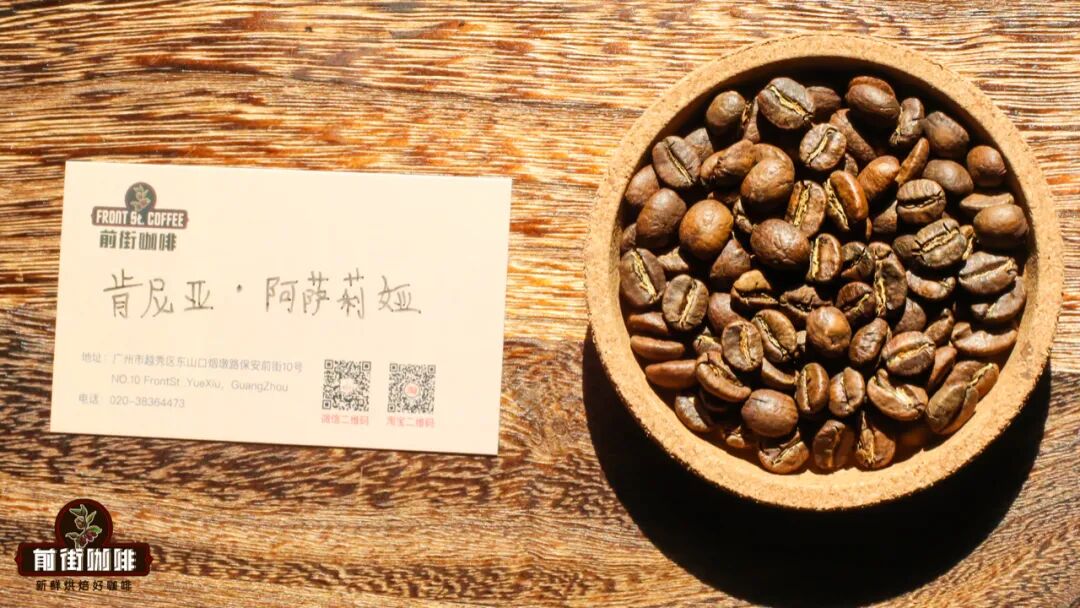
The author has tasted SL28 from regions such as El Salvador and Costa Rica, which generally exhibit pronounced blackberry acidity and bright acidity. However, compared to Kenyan-grown SL28, they fall slightly short in terms of body and complexity. This is closely related to Kenya’s unique growing environment and processing techniques, which are also indispensable in shaping its classic flavor. Take the Kenyan Assaria I often brew, for instance. This bean comes from the Assaria Factory in the Thika region and is produced using a blend of SL28 and SL34, processed with the classic Kenyan-style washed method. It’s a great choice for entry-level flavor exploration.
Region: Thika
Processing Farm: Assaria Factory
Altitude: 1550–1750 meters
Variety: SL28, SL34
Processing Method: Washed
Flavor: Plum, cherry tomato, brown sugar, black plum
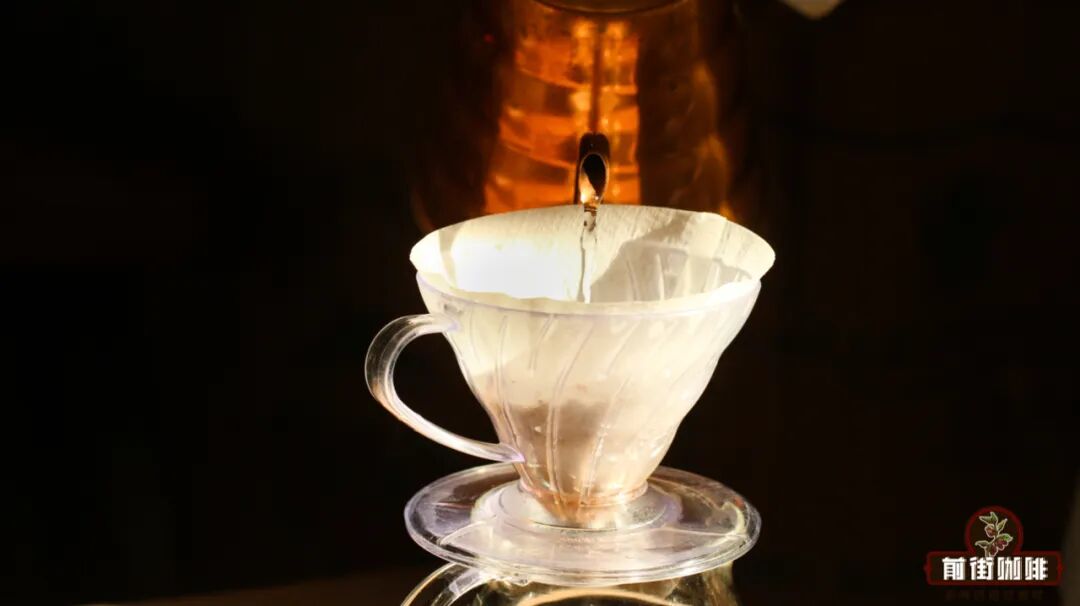
During actual brewing, the grind stage already reveals distinct plum and cherry tomato acidity. After pouring hot water, the brown sugar sweetness gradually emerges. The mouthfeel is dominated by a solid acidity, with clearly layered flavors of plum, cherry tomato, and black plum, paired with a clean brown sugar sweetness and a hint of oolong tea finish. The overall taste is round and full, delivering a delightful experience to the palate. For pour over brewing, it is recommended to use a medium-fine grind (around the size of fine sugar crystals), with water temperature controlled at 90–92°C, and a step extraction method to highlight its bright acidity and complex flavors.
The above content is compiled by CoffeeHunters, a coffee news website.

