







Introduction:Honey processed coffee is beloved for its distinctive sweetness and fruity flavor profile, but the term "honey" actually has no direct connection to sweetness. This article delves into the origins and actual processing methods of honey processing (Honey Process), and explains in detail the differences between white honey, yellow honey, red honey, and black honey — including mucilage retention levels, drying times, and flavor characteristics — to help you better understand the traits of different honey processed coffees and key points for selection.
When it comes to honey processed (Honey Process) coffee, many people immediately think of "sweetness," since this type of coffee often exhibits pronounced sweet notes, and the word "honey" easily evokes the image of the sweet taste of honey. However, the "honey" in honey processing is not actually related to flavor, but originates from the appearance and texture of the retained coffee fruit mucilage during processing, which resembles honey — hence the name.
The term "honey process" comes from the Spanish "Miel Process," and is called Honey Process in English; both refer to "honey." This name first appeared in Costa Rica, where during processing, the sticky mucilage coating the outer layer of the coffee bean resembles the texture of honey, leading local farmers to describe this method with the Spanish word "Miel" (meaning "honey"). Over time, this method of leaving the mucilage on the beans during sun drying became widely known as "honey processing."
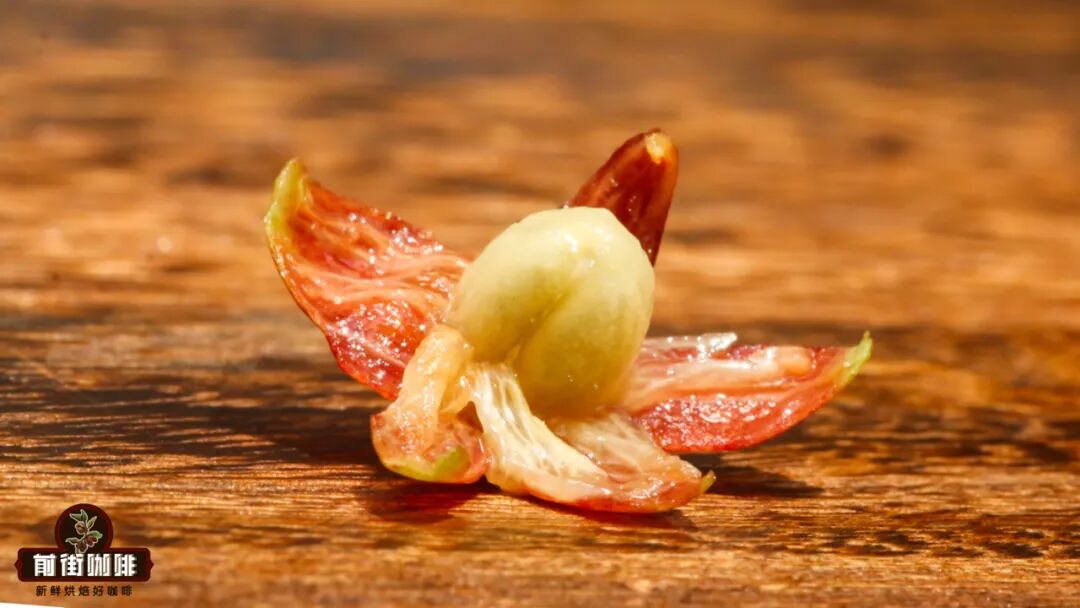
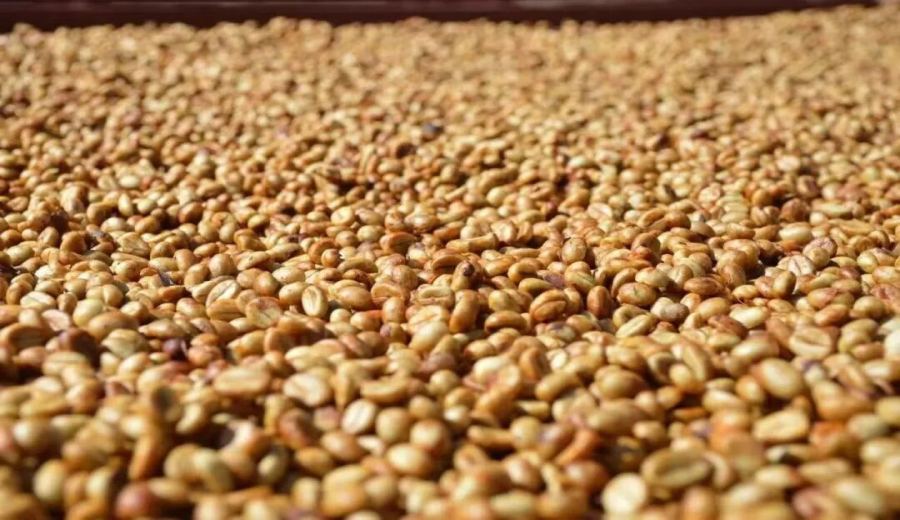
The precursor to honey processing can be traced back to Brazil’s pulped natural process. Its basic procedure is as follows: first, the harvested coffee cherries undergo floatation to remove unripe, defective, and foreign materials. Then, specialized machines are used to remove the outer skin and pulp, but the sticky mucilage layer is intentionally preserved, allowing the mucilage-covered coffee beans to go directly into the sun drying stage. Once the moisture content of the beans drops to a level suitable for storage, they are then hulled, completing the entire processing procedure.
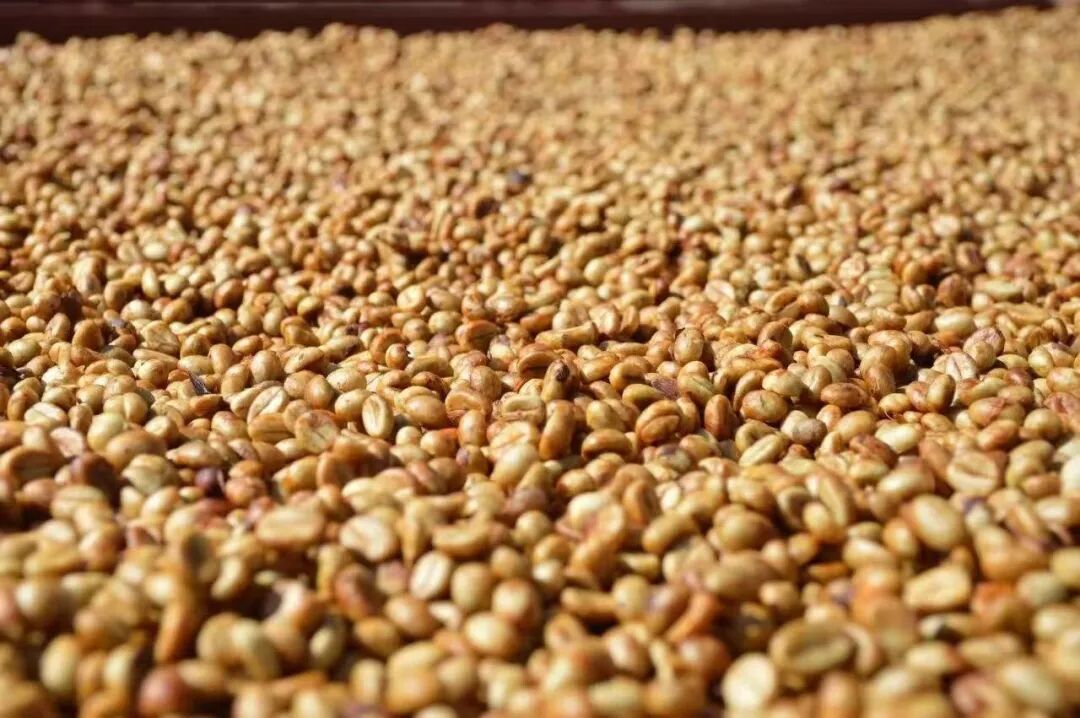
Because mucilage is rich in natural sugars, it gradually oxidizes under sunlight and air exposure, causing its color to darken over time as drying progresses. In the early stages of drying, the mucilage appears yellowish-white, then gradually turns golden, orange-yellow, and may even further deepen to reddish-brown or dark black. This change depends on how much mucilage is retained and the length of the drying period, typically taking around 2 to 4 weeks. The more mucilage retained, the longer the drying time required, and the darker the final color. The commonly seen white honey, yellow honey, red honey, and black honey processes on the market are distinguished precisely based on the varying amounts of mucilage retained.
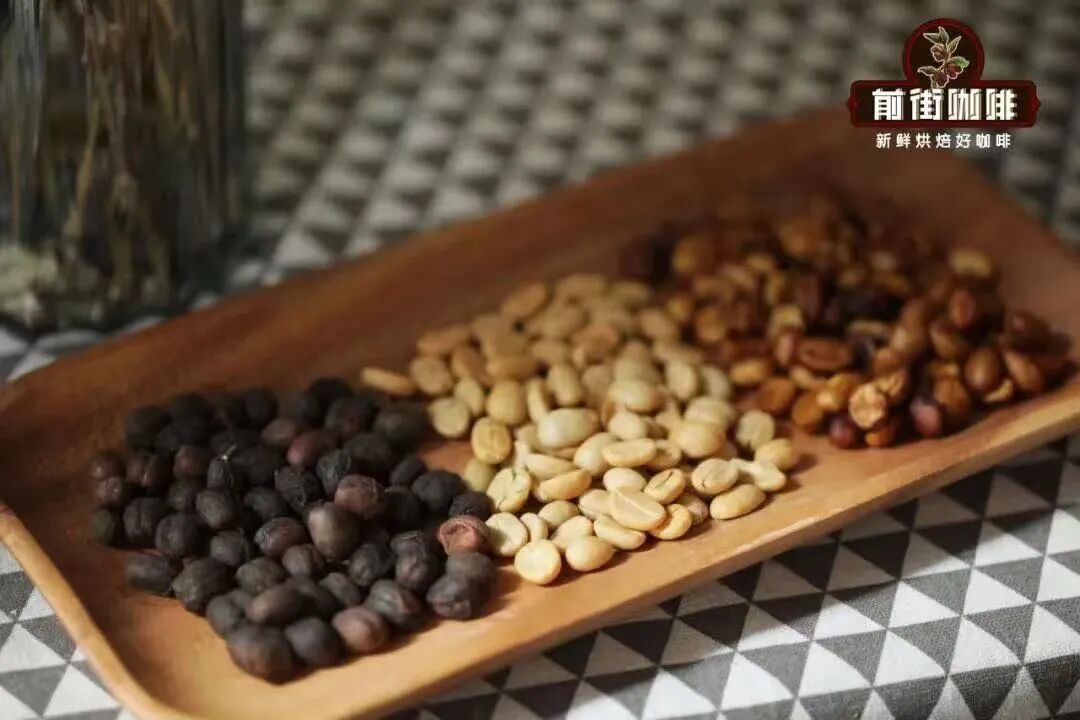
Generally speaking, white honey processing retains the least amount of mucilage and has a shorter drying time, resulting in a cleaner, brighter flavor with pronounced acidity; yellow honey retains slightly more mucilage, with enhanced sweetness and fruity notes starting to appear; red honey retains even more mucilage and undergoes longer sun drying, yielding prominent sweetness and rich fruit flavors; black honey retains the most mucilage, involves the deepest fermentation, and has the longest drying time, typically showcasing intense sweetness, a full body, and complex flavor layers. However, it’s important to note that different producers may not have standardized definitions for each type of "honey" — for example, what one brand labels as "yellow honey" might be considered "white honey" by another. Therefore, it's advisable to refer to actual flavor descriptions rather than relying solely on color classification.
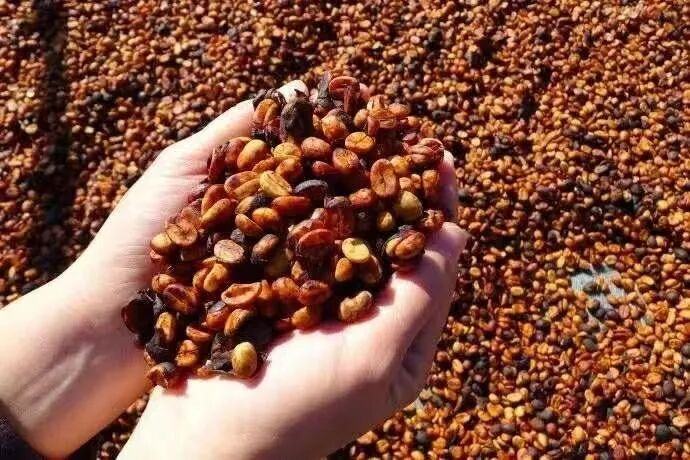
In addition to the standard white, yellow, red, and black honey processes, there are also some special variations on the market, such as "raisin honey process." This method involves drying the coffee cherries for at least three days before removing the skin and pulp, until the fruit begins to dehydrate and wrinkle. This preparatory step is then followed by the usual honey processing steps. This approach can impart a richer and more complex flavor profile to the coffee, such as jammy, berry-like, or even raisin-like qualities, with even more pronounced sweetness. Some specialty farms adjust the mucilage retention ratio and sun drying conditions to create unique and recognizable honey process flavor profiles.
In summary, the charm of honey processed coffee lies in its diverse flavor expressions and flexible processing methods. Whether you prefer bright fruity notes, intense sweetness, or wish to explore the differences brought about by various drying stages, understanding the distinctions between white honey, yellow honey, red honey, and black honey can help you select a coffee that better suits your taste. More importantly, remember that "honey" refers to that sticky, honey-like mucilage layer — not the flavor of the coffee itself — and this will help you more professionally appreciate and evaluate this uniquely flavored coffee processing method.
The above content is compiled by CoffeeHunters, a coffee news website.

