







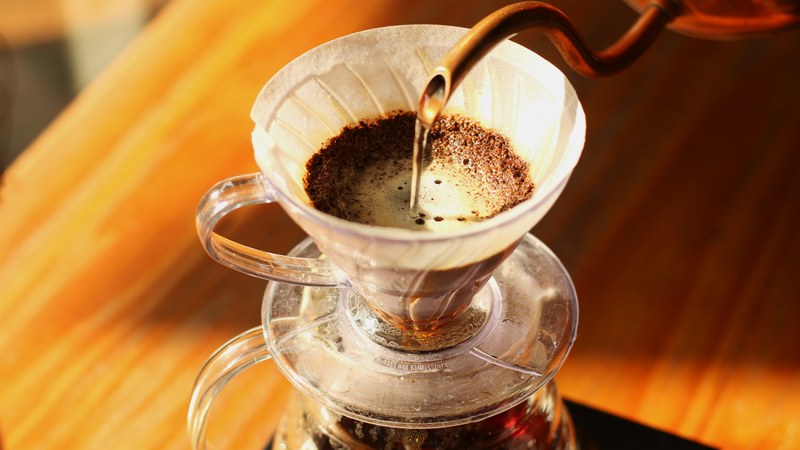
Introduction:Dark roast coffee beans can also showcase captivating flavors in pour over brewing, delivering a rich yet layered black coffee experience. This article selects three dark roast beans ideal for pour over, ranging from cocoa-nutty profiles to sweet caramel notes. We detail their flavor characteristics, suitable scenarios, and provide specific water temperature, grind size, and pour over parameters to help you easily master the extraction techniques for dark roast beans. Even beginners can brew a smooth and full-bodied everyday coffee.
Many people assume that dark roast beans are only suitable for espresso, but in fact, they can also exhibit a bold, sweet, and smooth character in pour over. These beans, roasted at high temperatures, often shift their flavor focus toward cocoa, roasted nuts, caramel, and baked aromas, with relatively mellow acidity — making them perfect as an energizing drink with bread in the morning or when you’re seeking a steady cup without intense fruit acidity.
From a roasting perspective, dark roast means a shift in the main flavor profile: although the bean’s original regional characteristics are still faintly discernible, bright fruit acids and floral notes recede, replaced by more prominent sweetness, body, and roasty aromas. If you usually prefer dark chocolate, nut pastes, or caramel flavors, dark roast pour over will offer a more familiar and approachable drinking experience.
It’s worth mentioning that there are also flavor differences among dark roast beans. Some dark roast offerings lean toward cocoa and nut tones, with a thick and steady mouthfeel; others may retain some soft woody, spicy, or dried fruit aromas, adding layers and interest. When purchasing, it’s recommended to carefully read the roasting information and flavor descriptions on the packaging. If you prefer everyday stability and smooth flavors, look for products labeled as “full-bodied,” “low acidity,” or “distinct caramel notes.” If you hope to retain some regional characteristics, opt for darker roasts that aren’t overly burnt or bitter.
First recommended is a classic-flavored dark roast blend — the Dark Cocoa Flavor Combination. This bean, when brewed, presents a rich profile of dark chocolate sauce, roasted almonds, and cocoa powder, with concentrated sweetness and non-dominant acidity. It has a notable weight and fullness on the palate. When brewed via pour over, the coffee liquid is thicker than that of light roast beans, making it not only suitable for pure enjoyment but also great with light snacks like toast or croissants. A small amount of milk can even be added to create a simple yet smooth coffee beverage.
When extracting this dark roast blend, it is recommended to use 15 grams of coffee grounds with 225 grams of hot water, with the water temperature controlled at88 to 90°C. The grind size can be slightly coarser than the usual pour over setting. Start by evenly wetting the coffee bed with a small amount of hot water, then pour in two to three batches, keeping the water surface steady without vigorous agitation. If obvious burnt bitterness appears, consider lowering the water temperature or shortening the brewing time; if the taste is too thin, you can adjust the grind to be slightly finer to enhance the richness of the coffee liquid.
Another beginner-friendly option is the dark roast beans from Brazil Queen Estate. This coffee has a more rounded flavor, featuring roasted hazelnuts, cocoa sauce, and sweet aromas akin to caramel pudding. It has soft acidity and a smooth mouthfeel. Compared to the Dark Cocoa Blend, its roastiness is more dispersed rather than concentrated. As the temperature drops, the sweetness becomes even more pronounced. It performs well whether served hot, over ice, or paired with breakfast.
For brewing, you can start with15 grams of coffee, 240 grams of water, and a water temperature of 90 to 92°C, using a medium-coarse grind. During pouring, avoid excessive force and minimize agitation of the coffee bed to help maintain the purity and smoothness of the flavors. If you prefer a stronger taste, you can slightly reduce the total water volume; if you want the caramel and nut aromas to be lighter, you can increase the water volume or slow down the pour speed during the final infusion to allow the flavors to release more gently.
The third recommendation is Papua New Guinea Bird of Paradise, which is one of the more balanced options among dark roasts. This coffee has a soft mouthfeel, featuring roasted nuts, cocoa, and subtle woody aromas. While the sweetness is not overt, it’s enough to support the roundness and harmony of the entire cup. For those who aren’t accustomed to strong acidity and don’t want their black coffee to be too heavy, this bean is excellent for daily life — whether at the office or home pour over, it provides a stable and comfortable coffee experience.
It is recommended to brew with15 grams of coffee and 230 grams of water, using a slightly lower water temperature and slower pour rate. The initial infusion can be slightly faster to help develop the aromas, while the latter part should remain gentle to avoid prolonged soaking of the coffee bed. When freshly brewed, the dominant notes are nuts and cocoa, and as the temperature drops, the sweetness gradually emerges. If the finish feels slightly dry, consider adjusting the grind to be half a step coarser or reducing agitation during the final pour to achieve a smoother ending.
In summary, the key to dark roast pour over is not to extract extreme intensity, but to keep the sweetness and body within a comfortable range. Filter type, filter paper material, and water quality all affect the final flavor, but frequent equipment changes aren’t necessary for general home use. Beginners are advised to start with a lower water temperature, moderate flow rate, and coarser grind, then adjust gradually based on actual taste experiences of bitterness, sweetness, and aftertaste. Note that higher water temperatures and longer contact times between coffee grounds and water can amplify roast aromas and burnt bitterness.
Additionally, once opened, dark roast beans should be stored in a light-proof, dry, and well-sealed container, and purchased according to your actual consumption rate to maintain fresh and stable flavors. Usually, after sufficient degassing, the chocolate and nut profiles integrate better, elevating the overall flavor expression. When choosing, you might consider your own pour over habits and decide among the three recommended styles: the Dark Cocoa Blend is richer and fuller, Brazil Queen Estate is sweeter and softer, and Papua New Guinea Bird of Paradise lies between balance and refinement. Find the one that best matches your pace and taste — dark roast can also deliver delicate and varied enjoyment.
The above content is compiled by CoffeeHunters, a coffee news website.


