







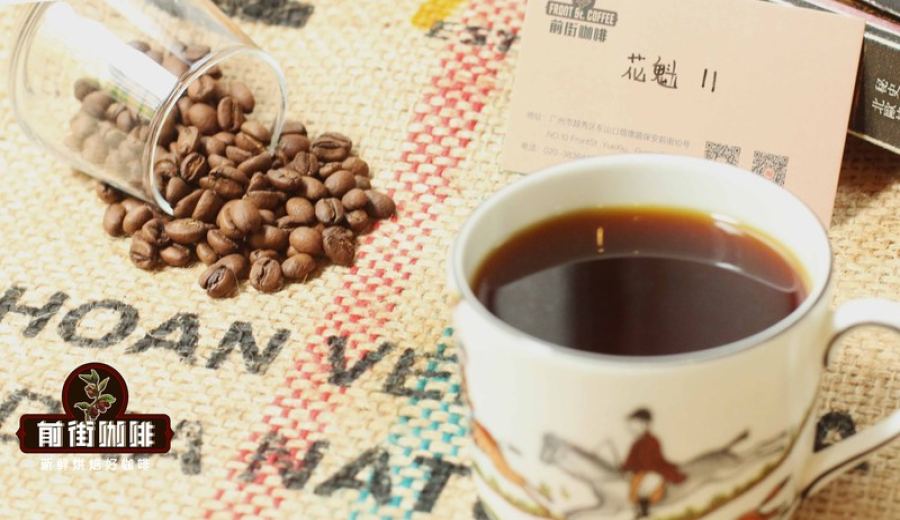
Introduction:Medium-roast pour-over coffee beans offer a balanced combination of fruity aroma and rich body, making them an ideal starting point for many coffee enthusiasts. This article takes an in-depth look at the flavor profile of medium-roast beans — from bright fruitiness to smooth sweetness. We recommend three representative medium-roast pour-over beans and provide practical suggestions on water temperature, brew ratio, and grind size to help readers find the beans and brewing method that best suit their taste.
Medium-roast coffee beans are highly favored in the pour-over community, mainly because they skillfully balance aroma, sweetness, and mouthfeel. Compared to the sharp acidity of light-roast beans or the intense smokiness of dark-roast beans, medium-roast beans present a more rounded profile — showcasing the unique terroir of the origin while offering a comfortable drinking experience. They’re perfect for savoring slowly in the morning, afternoon, or during a work break.
How can you tell if a medium-roast bean suits your personal taste? We suggest evaluating from three aspects: first, by checking whether the dry fragrance exhibits clear and identifiable aromatic characteristics; second, by assessing the harmony between acidity and sweetness during the sip; and finally, by noticing the aftertaste left in the mouth after swallowing. Drinkers who prefer a refreshing profile might look for floral, citrus, or berry notes, while those who enjoy a fuller body may want to seek beans with caramel, ripe fruit, or cocoa undertones.
When brewing medium-roast beans, it’s recommended to start with a water temperature of around 92–94°C. This range is easy to manage and highlights most of the bean's qualities. A brew ratio of 1:15 is a good starting point. To enhance sweetness and body, you may slightly increase the water temperature; for a softer and more delicate aromatic expression, try lowering it slightly. The grind size should be kept in the medium range. If you find the brewed coffee lacks flavor, you can gradually adjust the grind fineness rather than altering multiple parameters at once to avoid disrupting the overall extraction balance.
Take a well-known brand’s medium-roast Yirgacheffe Guji Dingding as an example. This medium-roast bean is great for experiencing a bright and refreshing flavor profile. When brewed, it often releases pronounced citrus peel, berry, and subtle floral notes. As the temperature cools, you might even perceive a clean aftertaste reminiscent of green tea. To intensify the bright acidity, you can use a higher water temperature and employ a pulse pouring technique. For a softer acidity, consider drinking it chilled or switching to cold brew to achieve a rounder fruit expression.
This bean is recommended to be brewed using a cone-shaped filter to fully express its layered aromas. If you notice the water flows too quickly through the coffee bed, resulting in under-extraction and a weak taste, consider slightly fine-tuning the grind to a finer setting. Conversely, if you experience dryness or astringency toward the end of the sip, try reducing agitation during the later stages of brewing. This bean is excellent for drinking black without sugar, and you can also try making iced pour-over — especially in summer, where its bright fruit acidity provides a refreshing cooling effect.
A well-known brand’s Ethiopian Huakui displays a sweeter and livelier character. With medium roast processing, the tropical fruit, strawberry, and passionfruit aromas gradually shift into soft sweetness as the temperature changes. Compared to its lighter-roast counterpart, this medium roast offers a more enveloping mouthfeel. It’s an excellent entry choice for those who enjoy rich aromas but prefer a less prominent acidity.
When brewing Huakui, it’s suggested to slightly extend the blooming time in the initial stage to encourage the release of fruity notes from the dry aroma. During the middle infusion phase, maintain a steady water flow to avoid harsh extraction that could bring out unwanted bitterness or off-flavors. When served hot, the fruity layers are clearly perceptible, and adding ice concentrates the sweetness. For cold brew, it’s recommended to keep the concentration on the lighter side to preserve its distinctive lively character.
A well-known brand’s Kenyan “Little Tomato” is ideal for those seeking a juice-like body and a clean, lingering finish. Its acidity reminds one of fresh cherry tomatoes, followed by deep fruit tones akin to black plum, and finishes with a gentle, mellow brown sugar sweetness. The medium roast enhances the bean’s three-dimensional fruity acidity, making it perfect for fans of single-origin black coffee who also want a vibrant, lively flavor.

When brewing this bean, it’s advisable to use a steady water flow and avoid over-agitating the coffee bed. If the acidity feels too tense, try raising the water temperature by 1–2°C or extending the total brew time. If you detect astringency on the tongue, consider using a coarser grind and shortening the contact time between water and coffee. This bean has a clear flavor profile when served hot, and as it cools, the black plum and sweet sugar notes become more pronounced.
These three medium-roast pour-over beans each have their unique charm: “Guji Dingding” excels in freshness, “Huakui” leans towards sweet liveliness, and “Little Tomato” showcases a juicy tension and layered complexity. For pairing with breakfast bread, the soft sweetness of “Huakui” creates a warm atmosphere; in the afternoon when you need a pick-me-up, the light character of “Guji Dingding” helps maintain alertness; if you prefer complex layers of acidity and sweetness with a long finish, “Little Tomato” is the more assertive choice. When purchasing, in addition to checking the roast date, it’s also wise to select a package size that matches your consumption pace to ensure optimal flavor.
Properly rested medium-roast coffee beans often achieve more stable aromas and sweetness. Before brewing, take a moment to smell the dry beans, then observe how the aroma changes as hot water is poured in — gradually exploring your preferred flavor style, whether it’s bright and lively, fruity and sweet, or rich and full-bodied. Settle on one as your daily brew and rotate others for varied flavor experiences. Pour-over brewing not only energizes the mind but can also become a relaxing journey into the diverse world of coffee flavors.
The above content is compiled by CoffeeHunters, a coffee news website.


