







Introduction:When selecting a fruit-and-floral aromatic coffee suitable for pour over, it's not just about reading the flavor descriptions — you also need to consider the roast level, processing method, brewing parameters, and your daily drinking habits. This article starts with real cup experiences and explains how to choose fruit-forward beans that offer clear flavors and good value for money, based on your budget, frequency of drinking, and home brewing setup. It also provides stable brewing suggestions so that every pour over session can deliver a consistent and enjoyable coffee experience.
When talking about fruit-and-floral aromatic coffees suitable for pour over, you shouldn't judge solely by how appealing the name sounds. The key is whether these flavors can truly show up in your cup. When buying coffee beans regularly, besides considering whether you like fruity or floral notes, you should also think about how often you drink coffee, how much to buy to ensure freshness, and whether you mainly drink black coffee or milk-based coffee. All these factors will influence your choice of beans.
Roast level is a key factor influencing a coffee’s foundational flavors. Generally, medium to light roasts better highlight the bright acidity and aromas typical of fruit and floral profiles. Meanwhile, origin and processing method are important variables that shape aroma layers. For example, some regional coffees naturally carry citrus or berry tones, which become even more pronounced through specific processing techniques. In addition, using different brewing devices will also alter the concentration and extraction performance of the coffee. Therefore, it's advisable to take all these conditions into account when selecting beans.
When buying fruit-and-floral aromatic coffee beans, you actually don’t need to stock up in large quantities at once. It’s recommended to plan according to your regular drinking pace, focusing your budget on the beans’ freshness, the stability of the roast, and whether the packaging effectively blocks oxygen and moisture. This is more practical than blindly pursuing a wide variety of names or origins. It’s suggested to start with small packages for tasting, taking note of the flavor changes when the coffee is hot versus slightly cooled, and confirming what you like before restocking based on your actual consumption. This approach is more reliable than making large purchases solely based on names or recommendations.
Text descriptions often struggle to convey the true in-cup experience. In such cases, you can refer to some representative beans to establish a flavor benchmark. For example, a medium to light roasted bean from Colombia’s Finca La Línea might commonly be labeled with terms like “Sidra.” With the right processing and roasting, this type of bean typically exhibits aroma layers of jasmine, citrus, passion fruit, blueberry, and even grape. It tastes smooth on the palate, with soft fruity acidity, and the finish gradually transitions into a warm cocoa aftertaste. This bean is suitable for pour over, espresso single-origin, cold brew, and even ice drip. It’s recommended to start with a medium concentration level and fine-tune according to the actual flavor outcome.
Another commonly mentioned representative of fruit-forward coffee is a bean from Ethiopia’s Guji Hambela region, often labeled with terms like “Hua Kui” (Flower Queen). This bean is roasted lightly and, influenced by the regional terroir and processing method, often emits rich tropical fruit aromas such as strawberry, passion fruit, jackfruit, and lychee. Compared to other beans, its fruitiness is more concentrated, its sweetness is clearer, and its bitterness doesn’t overpower. It’s very suitable for pour over, cold brew, or ice drip, allowing its unique flavor characteristics to shine through fully.
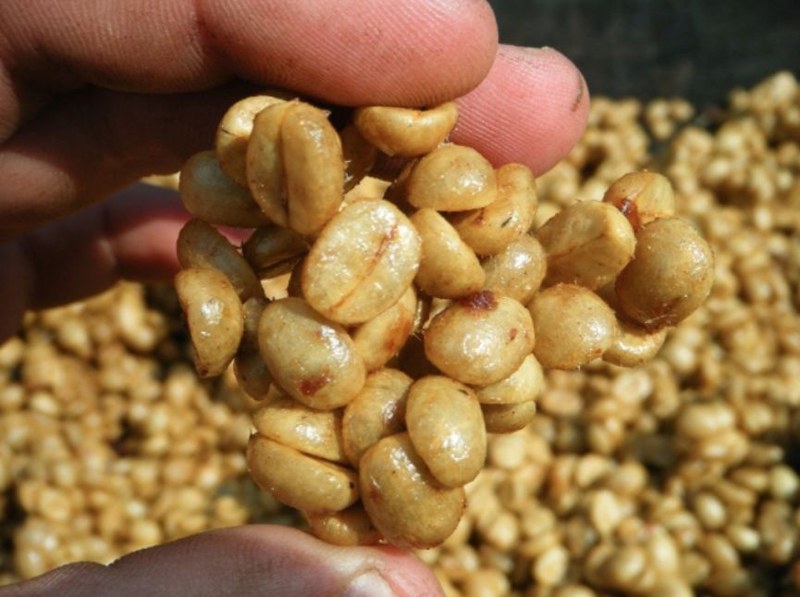
If you compare Colombia Sidra and Ethiopia Hua Kui side by side, the goal isn’t to judge which is better, but to help you clarify your own preferred flavor direction. Sidra’s aroma profile leans toward citrus, jasmine, and various berries, making it suitable for those who enjoy a refreshing, sweet-and-sour taste. Hua Kui, on the other hand, is dominated by intense tropical fruits with a more prominent sweetness. Observing the aroma expression, sweetness intensity, and mouthfeel texture of these two beans under pour over can help you more quickly find the fruit-forward coffee that matches your taste preference.
In daily pour over practice, there’s no need to frequently switch beans or brewing recipes. For fruit-and-floral aromatic coffees, it’s recommended to use clean-tasting, low-mineral water and maintain a stable pouring rhythm. A common and easy-to-start baseline parameter is: water temperature around 90°C, and a coffee-to-water ratio set at 1:15. If the brewed coffee comes out with muted or unexciting aromas, or the acidity feels too harsh, you can try increasing the water temperature or extending the extraction time. Conversely, if the taste feels too dry or lacks complexity, you might consider using a coarser grind or reducing the water volume in the later stages of pouring. These adjustments should be made flexibly based on your actual cup results, without being overly fixated on exact numbers.
It’s worth noting that although fruit-and-floral flavor descriptions can provide references, the real in-cup performance can still be affected by grinder precision, filter type, water quality differences, and ambient room temperature. If you want to more accurately compare the performance of different beans, it’s recommended to use the same equipment and water source consistently, and observe how the same bean varies across different batches or roast dates. Only then can you draw more reliable conclusions.
To fully experience the aroma of fruit-and-floral aromatic coffee, it’s best to choose whole beans and grind them just before brewing. If you prefer to buy pre-ground coffee powder, please note that powdered coffee has a larger surface area exposed to air, leading to faster aroma evaporation. Therefore, it’s advisable to more strictly control the amount purchased and the consumption period after opening. Storing whole beans sealed helps delay flavor loss, while grinding should be adjusted to an appropriate coarseness based on your equipment (such as your pour over filter), to achieve optimal extraction.
The most practical advice for enjoying fruit-and-floral aromatic coffee ultimately comes down to verifying it in your own cup. As long as you can finish the purchased amount within a reasonable timeframe, you’ll not only keep the aromas at their best but also better manage your spending. No matter which commonly available fruit-forward bean variety you choose, you can start with the suggested parameters above, and then fine-tune the balance of acidity, sweetness, bitterness, and aftertaste based on the actual flavor performance, allowing each cup of coffee to showcase the unique personality of the beans themselves.
The above content is compiled by CoffeeHunters, a coffee news website.

