







Introduction:The key to choosing coffee beans suitable for cold brew and ice drip lies not in their expense or fame, but in stable flavor, freshness, and suitability for everyday drinking. This article will analyze how to select beans that fit your budget and taste preferences by examining roast level, origin characteristics, and appropriate brewing methods, while also providing practical cold brew and ice drip extraction tips to help you find the one that suits you best.
Low-temperature, long-extraction methods like cold brew and ice drip can highlight the fruity, sweet, and layered notes of the beans, showcasing more delicate flavors compared to hot brewing techniques. However, not all coffee beans are suitable for these brewing styles. Factors such as roast level, flavor profile, and storage method are all important considerations. For those who regularly drink black coffee, seek a refreshing taste, or want to explore the potential of iced coffee, choosing the right beans can greatly enhance the experience.
When selecting coffee beans for cold brew and ice drip, it is recommended to prioritize freshness, consistent roast quality, and suitable packaging, rather than focusing solely on brand names or regional prestige. Especially for everyday drinkers, flavor stability and extraction performance are often more important than chasing niche or specially processed beans. In terms of roast level, light to light-medium roasts are suitable for those who prefer bright acidity and fruity notes, while medium to medium-dark roasts can deliver a rounder mouthfeel and sweeter taste, ideal for drinkers who enjoy a full-bodied yet not overly intense cup.

Taking a commonly available and cold-brew-friendly example, a bean labeled as light roasted and sourced from Kenya often exhibits bright fruit acidity and clear layers of fruity aroma—such as sample beans often used for comparison, which have flavor profiles reminiscent of cherry tomatoes, dark plums, pears, and black plums. During cold brew or ice drip, the acidity of such beans becomes even more refreshing, with sweetness gradually emerging in the mid-palate, making them well-suited for black coffee lovers who enjoy a pronounced juice-like character and vibrant flavors. Beginners are advised to try hand brew, iced hand brew, and cold brew methods for comparison, and drinking two to three cups in succession can help better understand how parameter changes affect flavor.
There are also multi-region blends with medium-dark roasts that offer a rounder, fuller sweetness and berry-like fruity notes, such as a strawberry taffy-like flavor profile, suitable for various forms like espresso, Americano, latte, and iced coffee. These beans, when extracted via cold brew or ice drip, can present a rich yet smooth mouthfeel, with fruitiness becoming even softer when milk is added, making them very approachable for those new to iced coffee or seeking more balanced sweetness. When selecting, it’s recommended to first fix a set of familiar parameters, such as coffee-to-water ratio and grind size, then gradually fine-tune to find the combination that best suits your taste.
Tasting two beans with different flavor profiles side by side is not about judging which is better, but about understanding the differences in flavor focus. For instance, one bean may showcase bright acidity and clear structure, serving as a reference for assessing refreshment; another may center on sweet, round berry notes and sugary sensations, offering an alternative flavor direction. By comparing the aromatic expression, layers of sweetness, and texture of beans suitable for cold brew and ice drip, drinkers can better identify their preferred type and further narrow down their choices.
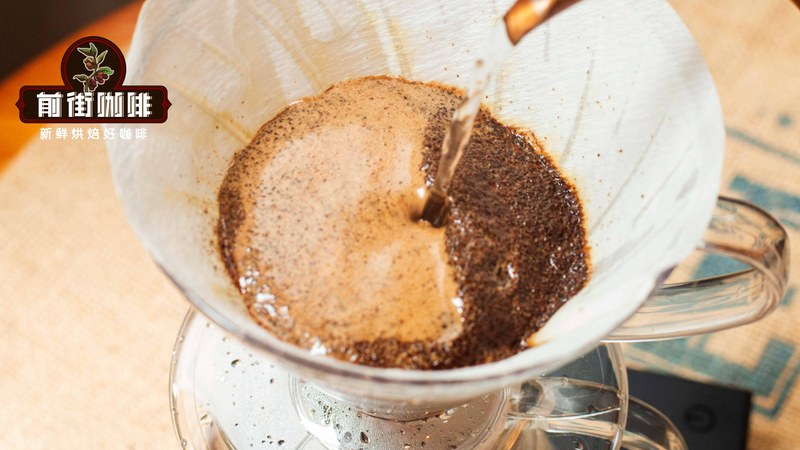
When actually performing cold brew or ice drip, it’s recommended to start with simple parameters—for example, using a ratio of one part coffee grounds to ten to twelve parts cold water, and employing a coarse grind to facilitate prolonged extraction. Cold brew is generally recommended to steep in the refrigerator for ten to fourteen hours; beans with prominent fruitiness can have the time slightly reduced to avoid over-extraction, while those with a stronger body can be steeped longer as needed. For ice drip, maintaining a stable drip rate is essential, and allowing the finished brew to rest in the refrigerator for a while after dripping helps with aroma integration and layer development. These basic procedures can serve as an entry point, but adjustments should still be made based on the actual aroma and taste of the final cup—there’s no need to rigidly adhere to fixed times or ratios.
Additionally, the flavor of cold brew and ice drip coffee varies at different temperatures. It’s recommended to evaluate not just the hot state before drinking, but also the warm or near-room-temperature experience, where you may often find the fruit acidity becomes clearer, and caramel and nutty notes more pronounced. Keeping a record of each batch’s aroma, initial taste, and aftertaste can serve as a reference for future adjustments, gradually helping you establish your own cold brew and ice drip flavor profile.
In terms of storage, coffee beans suitable for cold brew and ice drip should be kept away from high temperatures, humidity, and frequent air exposure. It’s advised to plan reasonably based on daily usage, seal them immediately after taking out the amount needed, and grind them as close to brewing time as possible. If tasting multiple beans at once, label the opening dates and prioritize using those with faster aroma changes, ensuring each cup showcases the best possible flavor state.
In summary, coffee beans suitable for cold brew and ice drip don’t have to be expensive or particularly rare—the key lies in stable flavor, high freshness, and alignment with your personal taste preferences and daily drinking routine. By understanding roast characteristics, origin flavors, and suitable brewing parameters, supplemented by actual tasting and recording, you can find the one that’s perfect for you and enjoy the unique coffee experience brought by low-temperature extraction.
The above content is compiled by CoffeeHunters, a coffee news website.

