







Introduction:When selecting tropical fruit-flavored coffee beans, common dilemmas include choosing between balanced sweet and sour profiles or bold, intense flavors, whether they’re suitable for daily brewing, and how to judge freshness and processing methods. This article provides comprehensive guidance on roast level, flavor type, brewing suggestions, and storage methods from the perspective of home and personal use scenarios, along with practical bean analyses to help readers find an ideal choice that fits their budget and taste.
When picking tropical fruit-flavored coffee beans, there’s no need to get lost in a complicated maze of information right away. For everyday purchases, it’s recommended to first consider a few practical questions: Are you brewing for yourself or sharing with others? How quickly do you go through the coffee? Do you prefer black coffee or milk-based drinks? Starting from these basic needs and then further considering roast date and processing method can help you more realistically find a bean that suits you.
If the coffee will be shared among multiple people, it’s advisable to prioritize tropical fruit-flavored beans with balanced acidity and suitability for various brewing methods. In this case, instead of chasing niche or complex names, it’s better to focus your budget on freshness, roast consistency, and packaging design. If you’re enjoying it alone, you can try beans with more distinctive fruity notes or darker roasts, which generally have higher acceptance.
If you’re looking for an entry-level tropical fruit-flavored bean as a benchmark, Colombian Sidamo is a worthwhile option. Sourced from Colombia’s Boundary Estate and medium-light roasted, it showcases a rich aroma of jasmine, citrus, passion fruit, blueberries, and grapes. The acidity is gentle upon entry, with a cocoa-like smooth aftertaste. This bean is suitable for various brewing methods including pour over, espresso, cold brew, and ice drip. It’s recommended to stick with a fixed recipe and record water temperature changes to better master optimal extraction performance.
Another representative tropical fruit-flavored bean is Ethiopia Guji Hambella Flower Queen, produced in Ethiopia’s Guji Hambella region. Light roasting highlights the area’s unique terroir. In cupping, one often detects intense fruit aromas such as strawberry, passion fruit, jackfruit, and lychee, with clear sweetness and minimal bitterness—making for an overall very appealing profile. Suitable for brewing via pour over, cold brew, or ice drip, it’s recommended to taste several consecutive cups to help more keenly discern how parameters influence flavor.
Comparing these two beans side by side isn’t about judging which is better, but understanding their respective flavor directions. Colombian Sidamo features jasmine, citrus, passion fruit, blueberries, and grapes as its main notes, while Flower Queen offers another aromatic profile centered on strawberry, passion fruit, jackfruit, and lychee. For those interested in tropical fruit flavors, actual tasting can help compare differences in aroma, sweetness, and mouthfeel between the two, thereby clarifying which type of expression you prefer.
When brewing tropical fruit-flavored coffee beans daily, it’s advised not to frequently change the recipe and to use clean-tasting water as much as possible, while maintaining a stable pouring rhythm. For example, with pour over, you might start with a water temperature of around 90°C and a coffee-to-water ratio of 1:15. If you find the aroma closed or the acidity too harsh, you can moderately increase extraction; if the mouthfeel is too dry, it’s recommended to adjust to a coarser grind or reduce water volume in the later stages. These basic adjustment principles also apply to tropical fruit-flavored beans, but still require flexible fine-tuning based on actual cupping results.
When recording brewing parameters for tropical fruit-flavored coffee beans, there’s no need to overcomplicate things. Simply jot down each use’s coffee amount, water amount, grind size, and water temperature, along with a brief description of how the cup performed. After accumulating a few records, you’ll naturally discover whether you prefer bright fruitiness or a rounder, fuller-bodied mouthfeel.
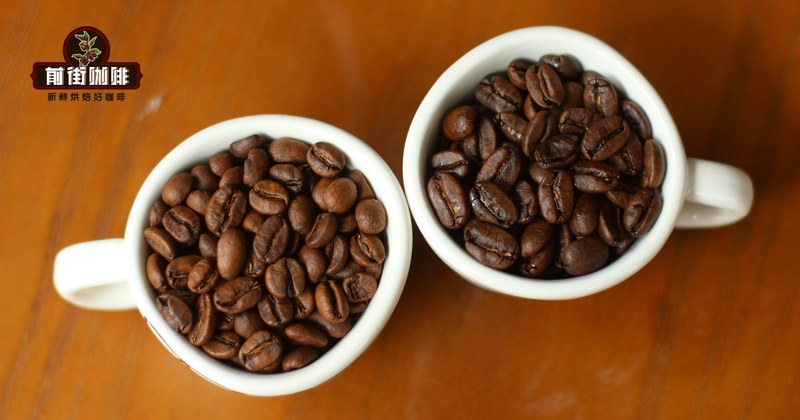
When storing tropical fruit-flavored coffee beans, the focus is on avoiding high temperatures, humidity, and repeated exposure to air. It’s recommended to plan reasonably based on daily consumption, seal the beans immediately after opening, and grind them as close to brewing time as possible. If you’re consuming multiple types of beans at once, label each package with its opening date and prioritize drinking those whose aromas are more prone to fading, ensuring you enjoy the best flavor with each brew.
In summary, the most important aspect of selecting and brewing tropical fruit-flavored coffee beans is returning to your own cup for real experience. As long as you can finish the purchased quantity within an appropriate time frame, you can not only maintain aroma quality but also better control your budget. Whether you choose Colombian Sidamo or Ethiopia Flower Queen, it’s suggested to start with medium extraction parameters and then fine-tune sweetness, acidity, and aftertaste based on actual sensations, allowing each bean’s unique character to naturally shine.
The above content is compiled by CoffeeHunters, a coffee news website.

