







Introduction:Cold brew coffee, known for its refreshing and low-acid characteristics, has become the go-to summer choice for many coffee enthusiasts. However, the choice of coffee-to-water ratio directly affects the final flavor profile, ranging from rich and bold to light and refreshing, with significant differences in proportions. This article delves into the taste, concentration, and ideal drinking scenarios of cold brew coffee at different coffee-to-water ratios (1:8 to 1:15), providing expert advice and practical test references to help you brew your perfect cold brew.
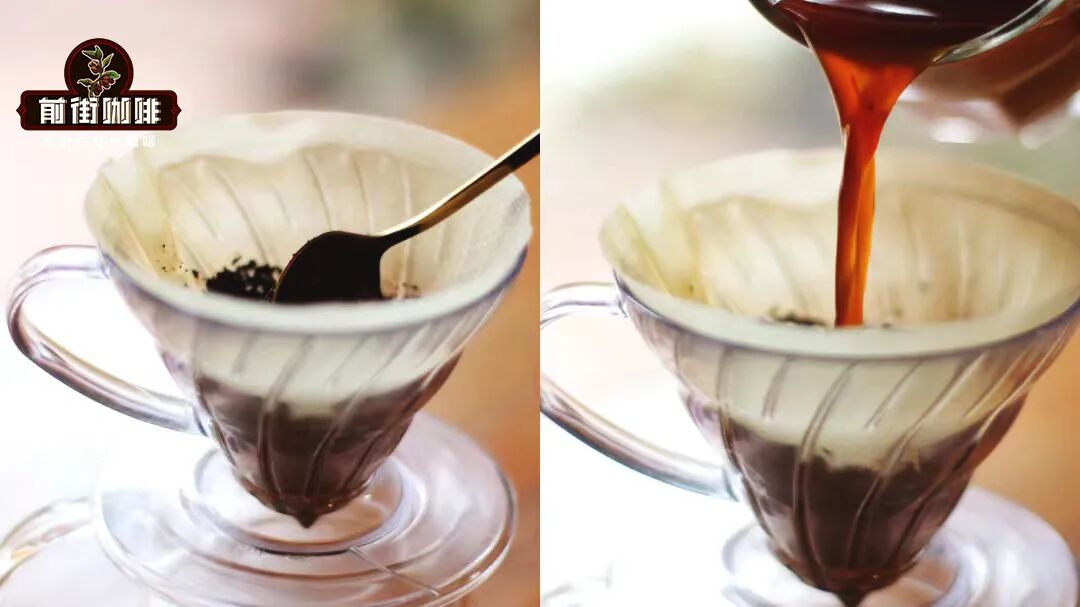
Cold brew is a coffee brewing method that involves prolonged extraction at low temperatures. Because it's brewed in a cool environment, it reduces the release of bitter substances, highlighting more of the coffee’s sweetness and fruity acidity. Compared to hot brew, cold brew generally has a smoother, more refreshing taste, making it suitable for those who prefer low-acid, light-bodied flavors. Making cold brew at home is very simple—just coffee grounds, cold water, and a sealed container left to steep in the fridge for several hours—and you can enjoy a cup of customized iced coffee.
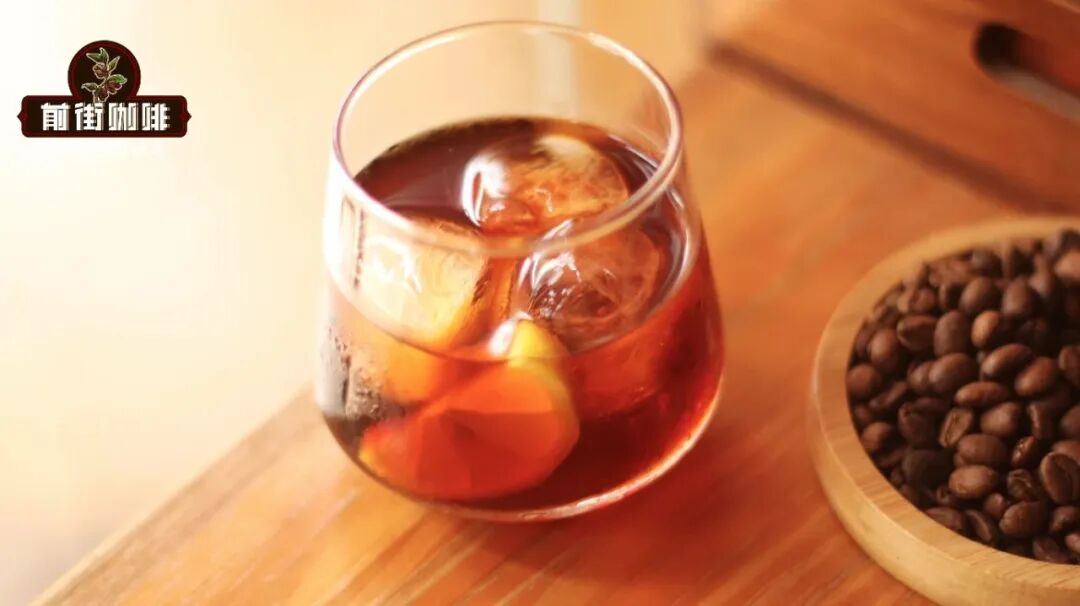
However, many people trying to make cold brew at home often wonder, “How much coffee should I use?” or “What coffee-to-water ratio should I set?” Unlike the commonly recommended 1:15 golden ratio for pour over, cold brew allows for greater flexibility in ratios, with popular ranges spanning from strong 1:8 to mild 1:15. What kind of flavor variations do these different ratios bring? Which ratio best suits your taste preferences? We’ll break it all down.
The coffee-to-water ratio, simply put, is the proportion of coffee grounds to water and is one of the key variables affecting coffee concentration and flavor extraction. In cold brew, an immersion brewing method where water and coffee grounds remain in contact for a long time, the higher the water proportion, the lower the overall concentration of the coffee, resulting in a lighter flavor and thinner mouthfeel. Conversely, a lower water proportion increases the coffee concentration, making the flavor more intense and the body thicker and richer.
Therefore, choosing the right coffee-to-water ratio is crucial for achieving a balanced flavor and ideal mouthfeel. To brew a cup of cold brew with vivid flavors yet balanced taste, it’s essential to understand how different ratios actually perform.
Beyond the coffee-to-water ratio, the outcome of cold brew is also influenced by several other parameters, including grind size, steeping time, water quality, as well as the inherent quality and processing method of the coffee beans. These factors are interconnected and collectively shape the final flavor profile of the cold brew.
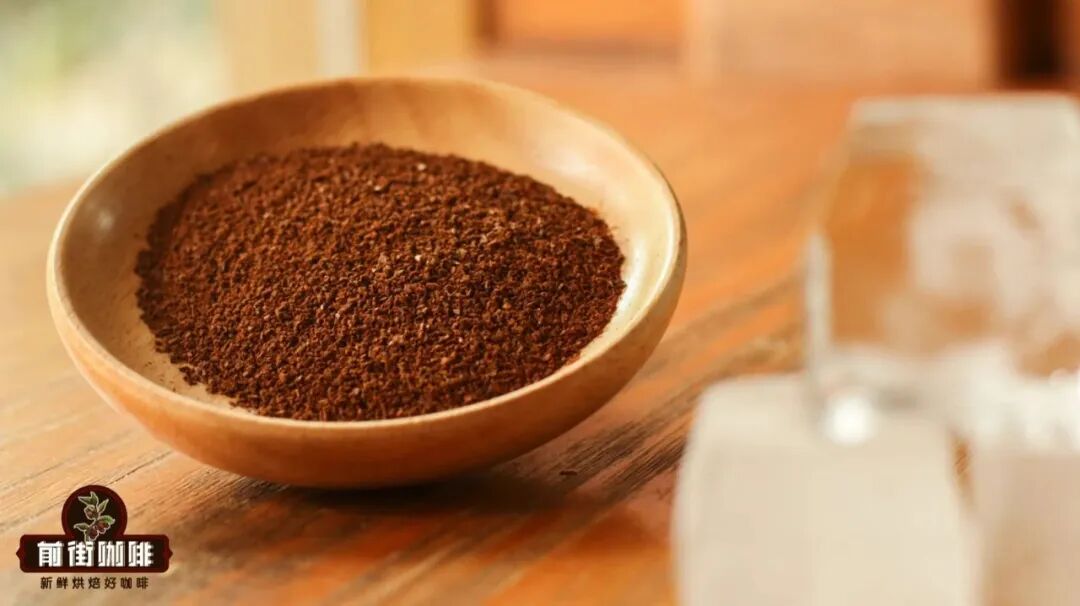
First, the grind size should not be too fine. Overly fine coffee grounds are prone to over-extraction, leading to unpleasant grittiness or bitterness. Generally, it’s recommended to use a grind that passes through an 0.85mm sieve at about 80–85%—roughly the size of granulated white sugar. This grind helps ensure stable flavor release and minimizes the risk of over-extraction.
For steeping time, it’s recommended to keep it between 6 to 16 hours, adjusting slightly based on personal preference for concentration. Too short a time may result in under-extraction and weak flavors, while too long can extract unwanted off-flavors. Most commonly, 8 to 12 hours is the sweet spot for beginners, offering balanced flavors that are easy to manage.
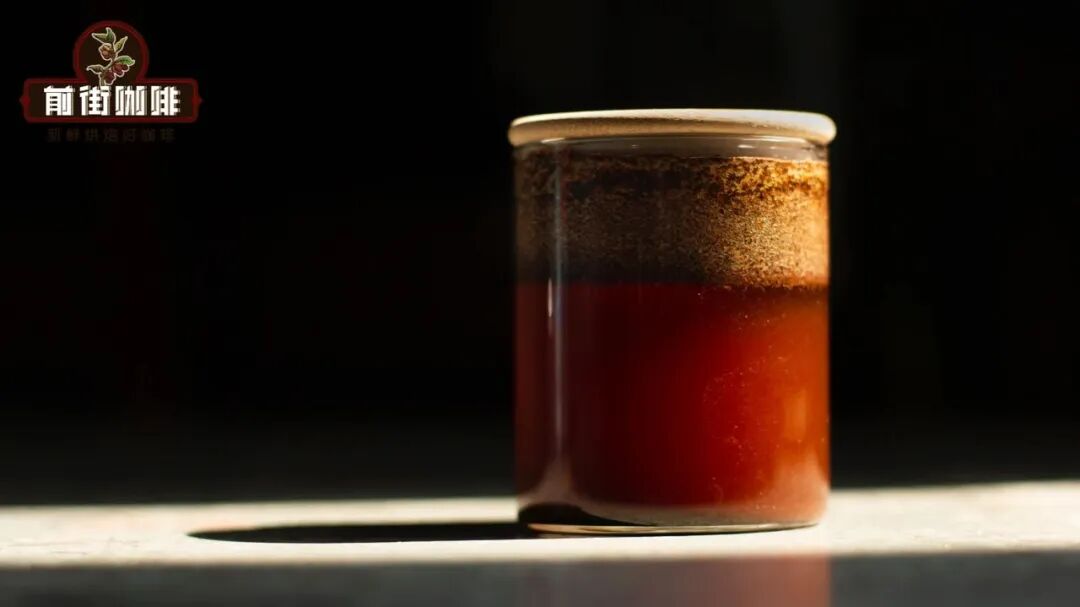
Water quality is another crucial factor that shouldn’t be overlooked. Though it appears colorless and tasteless, it significantly impacts how coffee flavors are expressed. It’s recommended to use filtered or soft water to avoid impurities or excessively high mineral content that could interfere with the coffee’s original aroma and complexity. Many home cold brew enthusiasts often encounter situations where “everything was done by the book, but the taste just isn’t right,” and more often than not, the issue lies with the water quality.
As for coffee bean selection, it’s advisable to choose freshly roasted beans with proper processing. Take Kenya AA, for example. This bean variety uses the K72 washed process and includes the SL28 and SL34 cultivars. SL28 offers bright fruit acidity and berry notes, while SL34 presents a gentler acidity and rich aromatic layers. The combination makes Kenya AA a top choice for many when it comes to cold brew.

Cold brew made with this bean often delivers a sweet and tangy interplay of dark berries upon tasting, accompanied by the fresh aroma of cherry tomatoes and pear tea. It’s especially enjoyable when served chilled, as the flavors become even more vibrant and lively.
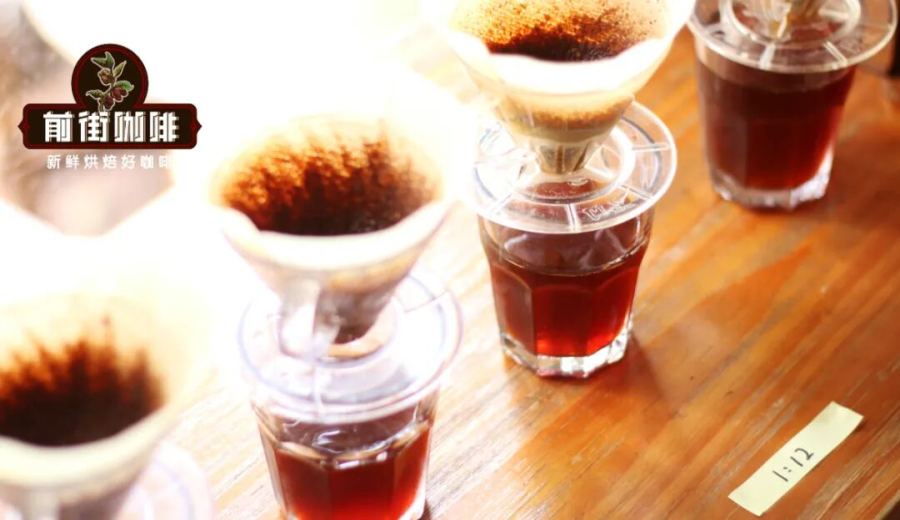
Next, we compared four common coffee-to-water ratios: 1:8, 1:10, 1:12, and 1:15, keeping other parameters—including coffee dosage (18g), grind size (approximately 80% passing rate, similar in coarseness to fine sugar), steeping time (6 hours), and water quality—the same, and only adjusted the water volume. Below are the tested corresponding water volumes and observed flavor profiles:
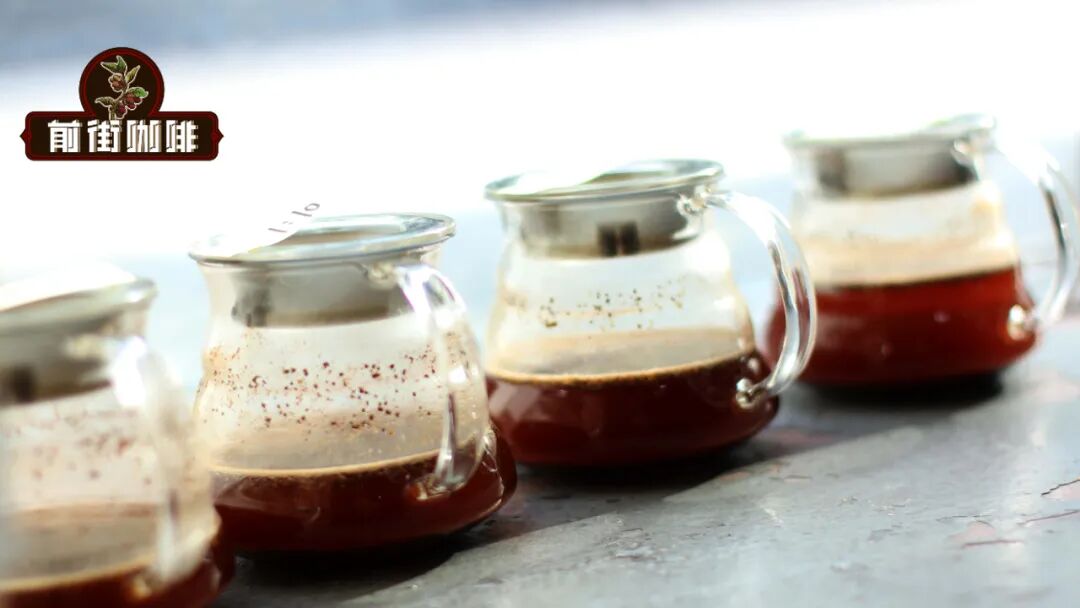
• Coffee-to-water ratio 1:8 (144g water): The coffee liquid is the darkest in color, with a bold and acidic taste, even slightly salty. Berry flavors are not prominent, and the finish has a hint of bitterness.
• Coffee-to-water ratio 1:10 (180g water): The flavor is more concentrated, with a sweet note of sugarcane. The dominant notes include red plum, berries, and pear tea, with pronounced acidity but slightly weaker sweetness.
• Coffee-to-water ratio 1:12 (216g water): Overall the most balanced performance, with a clean mouthfeel and clear flavor layers. There are lingering notes of cherry tomato, red plum, dark plum juice, sugarcane, and licorice candy, with a well-balanced sour-sweet-salty profile.
• Coffee-to-water ratio 1:15 (270g water): The coffee liquid is the lightest in color, with a thin body. Only faint notes of black plum and berry acidity are present. Overall, it’s light with no off-flavors, but lacks depth.
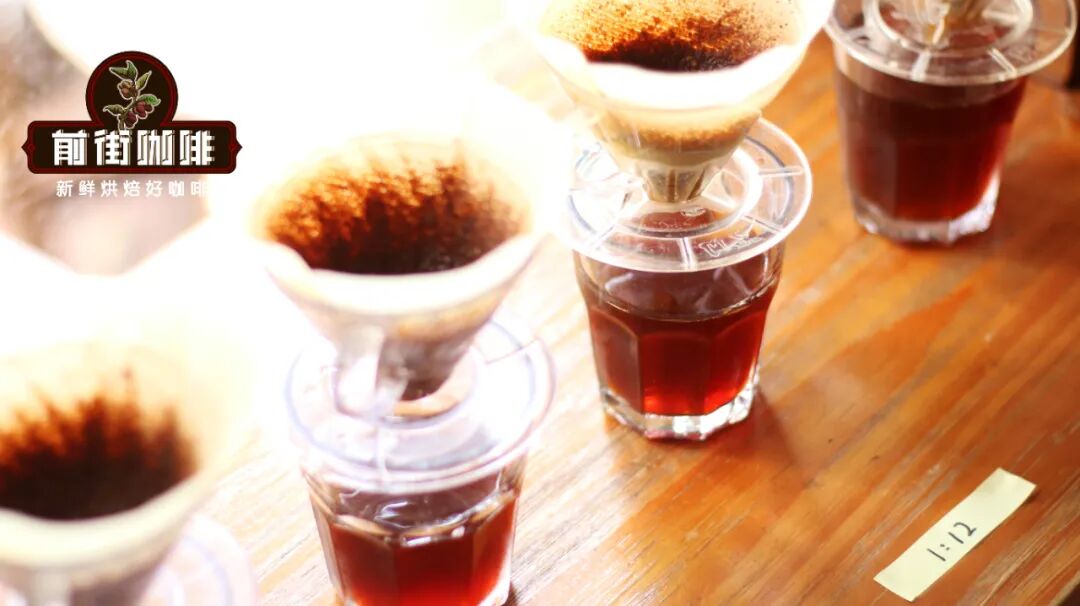
From the above tests, it’s clear that the 1:8 ratio, due to less water and higher concentration, tends to amplify flaws in the flavor—such as excessive acidity, harshness, and bitterness. On the other hand, the 1:15 ratio, with too much water, dilutes the flavor compounds excessively, resulting in a flat and unremarkable profile. In comparison, the 1:12 ratio achieves the best balance of flavor and smooth mouthfeel. But considering real drinking scenarios,1:10it maintains a certain level of richness and flavor expression even when iced, making it a more flexible and widely recommended option.
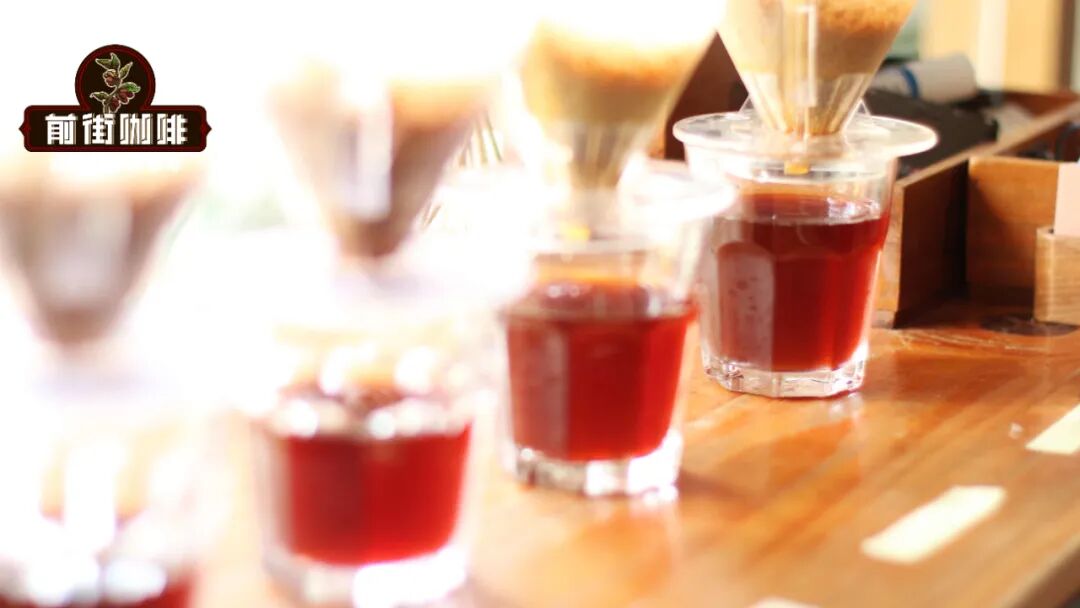
Why is 1:10 still widely used? Mainly because when enjoying cold brew, many people add ice cubes to cool it down. As the ice melts, the coffee gradually dilutes. Starting with a slightly higher ratio ensures that the flavor remains satisfying during the chilling process. Additionally, different drinkers have varying preferences for strength. Using 1:10 provides a pleasing taste transition both before and after adding ice, catering to a range of flavor preferences.

In summary, one of the charms of cold brew coffee lies in its high degree of adjustability and adaptability. By mastering the three key elements—coffee-to-water ratio, grind size, and steeping time—and pairing them with suitable water quality and coffee beans, you can easily brew a cup of flavorful, refreshing cold brew at home. Start with 1:10, then fine-tune according to your personal taste to find your perfect ratio.
The above content is compiled by CoffeeHunters, a coffee news website.


