







Introduction:To brew a medium-dark roast coffee with distinct flavors using a moka pot, choosing the right beans is key. This article starts from everyday drinking needs, introduces the characteristics of medium-dark roast beans suitable for moka pots, and analyzes their aroma, body, and suitability for different scenarios, helping readers find their ideal beans based on their drinking frequency and budget. Whether you prefer black coffee or milk coffee, you can grasp practical bean selection and brewing tips from it.
When selecting medium-dark roast beans suitable for a moka pot, the first thing to consider is your daily drinking method: do you drink one or two cups of black coffee a day, or do you often pair it with milk? If you mainly drink black coffee, it’s recommended to focus on the bean’s aroma complexity and aftertaste; if you often use it for milk coffee, then pay attention to the coffee’s inherent body and its ability to withstand extraction, ensuring it retains enough flavor structure even after adding milk.
In addition, the roast date is also an important factor affecting the extraction performance of a moka pot. Freshly roasted beans are usually still in the degassing phase, and using them too early may lead to unstable flavors; but if left too long, the aroma and freshness will gradually diminish. It’s recommended to choose an amount that matches your drinking pace, ensuring you finish it within the optimal flavor window—this is more practical than chasing fancy origin names or complex roasting techniques.
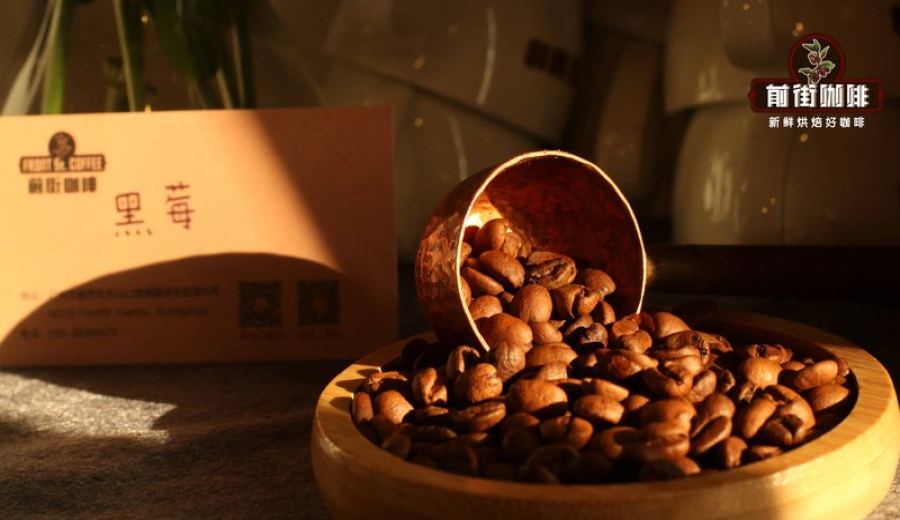
For example, Indonesian Golden Mandheling is a common medium-dark roast choice, produced in the Sumatra region and known for its dark roasting style. The flavor profile of this bean typically features distinct herbal notes, dark chocolate, and a hint of spice, with low acidity, a rich and thick mouthfeel, and a long-lasting aftertaste. It’s not only suitable for moka pots, but also works well for pour over, espresso, and milk coffee preparation. It’s suggested to fix the basic grind size and coffee-to-water ratio when using it for the first time, and then make fine adjustments according to personal taste.
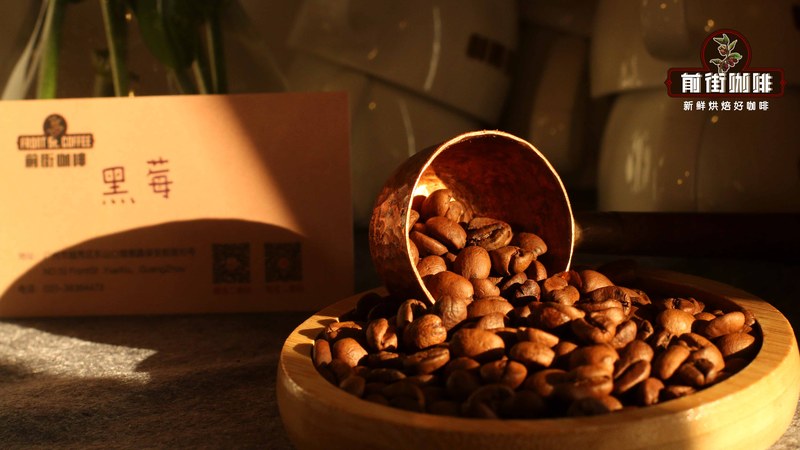
If you want to experience a more balanced bean suitable for various brewing methods, a medium-dark roast specialty blend is also a good option. These blends often use Brazilian and Colombian beans as the base, offering flavors of nuts, cocoa, and soft caramel sweetness. They are smooth on the palate with distinct layers, suitable for Americano, latte, and flat white milk coffees, and can also handle moka pot extraction stably. With high extraction flexibility, they perform well whether hot or cold, making them an easy-to-use and flavor-stable choice for beginners.
Comparing these two beans side by side can help us better understand the flavor directions of different medium-dark roast beans. Indonesian Golden Mandheling, with its dominant herbal, dark chocolate, and spice notes, serves as a good flavor reference; while the specialty blend excels in nutty and caramel sweetness, offering another rich yet mellow option. Through actual brewing and tasting, you can more intuitively determine which flavor characteristics you prefer, and further adjust the moka pot’s grind size and extraction time.
When using a moka pot, it’s recommended to use a grind size slightly finer than pour over but slightly coarser than espresso, allowing water to flow smoothly while fully extracting the rich flavors of medium-dark roast beans. After placing the coffee grounds into the basket, gently level them—there’s no need to tamp hard, as it may affect water flow speed and extraction evenness. Heat with low to medium flame; once the coffee starts flowing out steadily, closely observe its color and flow rate. If there’s obvious spraying or the color lightens, remove the heat source immediately to avoid over-extraction and bitter, burnt flavors.
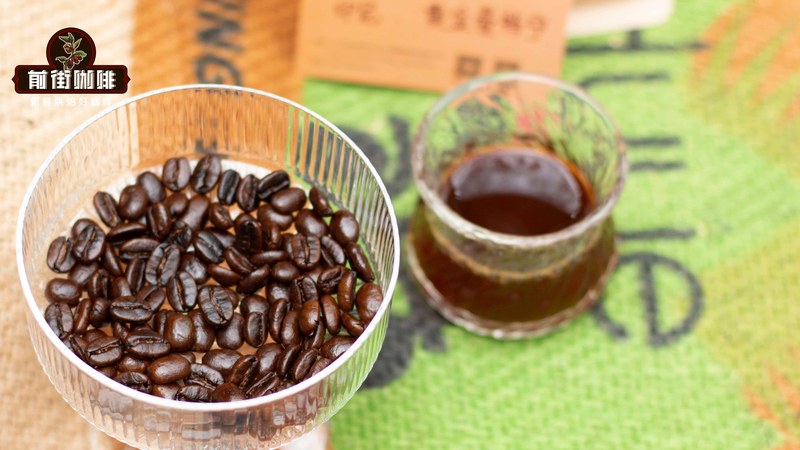
For daily moka pot use, it’s not recommended to frequently change beans or brewing parameters. Stable extraction conditions help develop sensitivity to flavors. It’s suggested to store beans whole and adjust the grind size according to your equipment just before brewing. Pre-ground coffee, due to increased exposure to air, loses flavor more quickly, so it’s important to strictly control the amount purchased and the consumption period after opening, to maintain optimal flavor.
In summary, the key to choosing medium-dark roast beans suitable for a moka pot lies not in pursuing beans with complicated names or rare origins, but in understanding your daily drinking habits and flavor preferences. Whether you prefer the rich layers of black coffee or the balanced body of milk coffee, as long as you select the appropriate roast level and bean variety based on your actual needs, and master basic brewing techniques, you can easily enjoy the bold coffee experience that a moka pot offers. Start with one fixed bean, gradually try different flavors, and your coffee taste will naturally become clearer.
The above content is compiled by CoffeeHunters, a coffee news website.

