







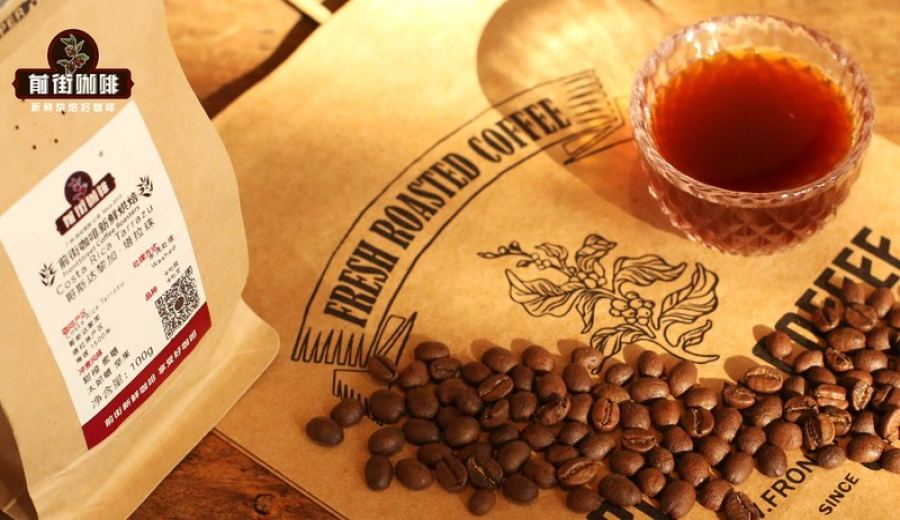
Introduction:When faced with the many SOE (Single Origin Espresso) coffee beans on the market, many coffee enthusiasts often struggle with whether to choose dark or light roasts. In reality, the key is not about which roast level is superior, but rather how to find the beans that best suit your drinking habits, budget, and brewing method. This article will help you understand the flavor profiles of SOEs at different roast levels, and provide practical advice on selection and brewing, so you can gradually develop your own coffee taste starting from everyday drinking.
To truly understand SOE coffee beans of different roast levels, you shouldn’t just look at flavor descriptions—you should translate those adjectives into what you actually taste. When purchasing, it’s recommended that you first consider a few practical questions: How quickly do you drink coffee? How much do you usually buy at once? Do you mostly drink black coffee at home, or do you usually have it with milk? These factors will directly influence which roast level of beans is right for you.
Commonly mentioned floral notes, fruity acidity, nuttiness, and cocoa flavors are not absolutely better or worse, nor are they ranked in any hierarchy—they simply represent different flavor directions. Finding the type that suits your taste is the key to long-term enjoyment of coffee. Therefore, it’s recommended to start with the flavor types you enjoy, rather than blindly pursuing what is considered "premium" or "trendy" roast styles.
Additionally, don’t overlook the impact of water quality on coffee flavor. Even SOEs roasted to the same level can taste vastly different when brewed with different types of water. For daily comparisons, it’s recommended to first ensure the freshness of the beans, stability of the roast, and the seal of the packaging—these factors often matter more for actual drinking needs than complex bean varieties or roast methods. You can start with water that has a fresh aroma and moderate mineral content, keep the water source consistent, and then gradually adjust grind size and water temperature. Only then can you more accurately discern the differences in the coffee itself.
The full name of SOE is Single Origin Espresso, which refers to coffee beans from a single origin or single source, specifically selected for making espresso—unlike blends, which combine multiple beans to achieve balanced flavors. If you’re looking for an SOE suitable for everyday drinking, it’s recommended to first confirm whether it can showcase the unique characteristics of its origin when brewed as espresso, and then observe whether it still retains a clear sweetness and aftertaste when made into an Americano or with milk added.
It’s important to note that because SOEs use beans from a single source, flavor variations between different batches may be more noticeable than with regular blends, especially in terms of grind settings and degassing times. It’s recommended that when trying for the first time, you start with the common 1:2 coffee-to-water ratio, carefully record flow rate, acidity-to-sweetness balance, and how the coffee performs as it cools. If you plan to add milk, also pay special attention to whether the fruit acidity blends smoothly with the milk, avoiding overly sharp or unbalanced flavors.
When purchasing, it’s recommended to start with a small pack to try, and only decide whether to restock or adjust the quantity after confirming your drinking frequency. This not only helps avoid waste but also allows you to choose your next beans more accurately based on actual cupping experience.
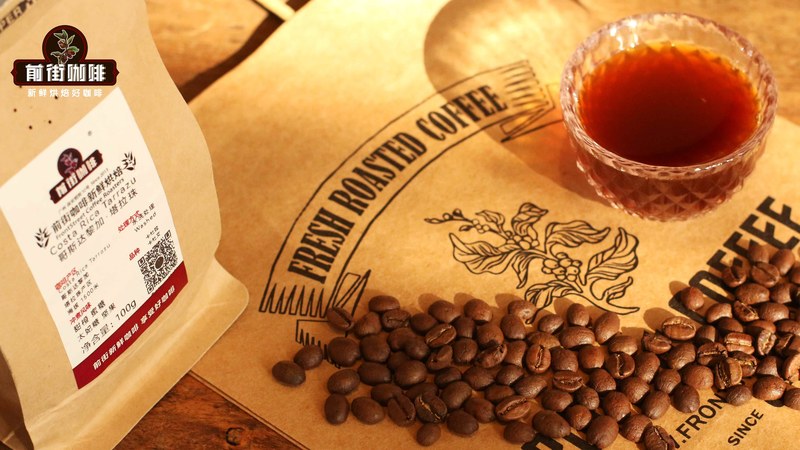
For example, one brand’s 2013 Yunnan Natural Typica is a bean worth referencing. This coffee, sourced from Baoshan in Yunnan, is typically medium-dark roasted, and its main flavor profile includes citrus, caramel, nuts, chocolate, and brown sugar notes. It offers a stable sweetness, medium body, and a soft aftertaste, making it suitable for pour over, Americano, or everyday black coffee. It’s recommended that you first fix a set of familiar brewing parameters, then make fine adjustments based on actual taste, gradually getting to know this bean’s characteristics.
Another representative bean is one brand’s Colombian Sidra, which shows a distinctly different flavor direction. This medium-light roasted bean from Colombia’s Finca La Frontera features clear notes of jasmine, citrus, passion fruit, blueberry, and grape. Upon tasting, you can feel a gentle fruit acidity, while the finish brings a cocoa-like sweetness. It’s suitable for various brewing methods including pour over, single-origin espresso, cold brew, and even ice drip. Again, it’s recommended to first fix the brewing conditions, then gradually find the combination that best suits your taste.

If we compare one brand’s 2013 Yunnan Natural Typica and one brand’s Colombian Sidra together, the focus is not on determining which one is better, but rather on helping you understand the flavor emphasis of SOEs at different roast levels. The former is dominated by citrus, caramel, nuts, chocolate, and brown sugar, while the latter is defined by a clear fruity profile featuring jasmine, citrus, passion fruit, blueberry, and grape. By actually brewing and comparing the aromas, sweetness, and mouthfeel textures of the two, you can get a clearer sense of which flavor direction you prefer.
In summary, when selecting SOE coffee beans of different roast levels, there’s no need to rush into understanding all origins or complex parameters at once. It’s recommended to purchase an amount you can finish in a timely manner—this helps control the freshness of the aroma and better manage your budget. You might start with one brand’s 2013 Yunnan Natural Typica or one brand’s Colombian Sidra, using a fixed coffee-to-water ratio for brewing, and recording your experience each time. On your next purchase, you can then adjust based on actual cupping experience without having to guess blindly again.
The above content is compiled by CoffeeHunters, a coffee news website.

