







Introduction:To brew a sweet and bright Americano, choosing the right coffee beans is key. This article focuses on bean varieties that are well-suited for making Americanos with pronounced sweetness. It analyzes how to select beans based on your daily drinking habits, budget, and brewing method, and uses real bean examples to illustrate flavor characteristics and extraction tips — helping readers find their ideal bean variety and strike the right balance in brewing.
To understand which coffee beans are suitable for producing noticeably sweet Americanos, you can’t just rely on the fancy words in the flavor descriptions. Instead, you need to translate those descriptions into the actual taste experience. When making daily purchases, consider factors such as consumption rate, purchase quantity, and the ratio of black coffee to milk coffee you typically drink at home. Descriptions like floral, fruity acidity, nuts, and cocoa aren't inherently better or worse — they simply represent different flavor directions. Choosing the type that best suits your palate is what holds long-term value.
If the coffee beans are meant for shared use among multiple people, it's advisable to prioritize beans with balanced acidity and sweetness, and that are suitable for various brewing devices. When evaluating, investing your budget in freshness, roast stability, and appropriate packaging often makes more practical sense than blindly chasing flashy names. For solo enjoyment, you can further explore beans with distinctive fruitiness or dark roast profiles, which also tend to have more stable acceptance.
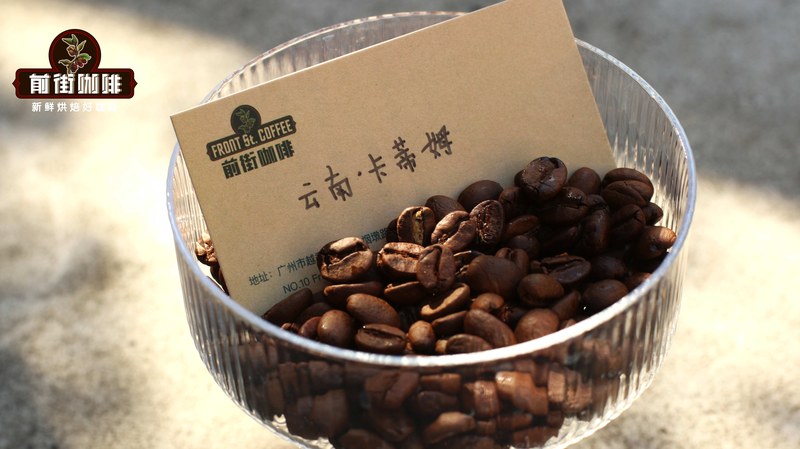
To find an entry point within the same style of beans, start with classic varieties. For example, take a well-known bean from Colombia, roasted to a medium-light level and sourced from a renowned estate in the country. It often features aroma layers of jasmine, citrus, passion fruit, blueberry, and grape. In actual tasting, the cup usually starts with gentle fruity acidity, while the finish gradually reveals a cocoa-like mellow sweetness. This bean is suitable for pour over, single-origin espresso, cold brew, and even ice drip. When trying it for the first time, it’s recommended not to set the parameters too extreme — focus instead on stable extraction.
Another light-roast bean hails from a well-known Ethiopian growing region. Its flavor profile is clear, commonly described with bright fruit notes like strawberry, passion fruit, jackfruit, and lychee. Such beans usually have intense fruitiness, distinct sweetness, and less aggressive bitterness, making them suitable for pour over, cold brew, and ice drip. It's recommended to try two or three cups in a row and adjust parameters to better grasp the variations in its characteristics.
Comparing these two beans together isn’t about judging which is better or worse, but rather about helping you understand the emphasis of different flavor directions. The former centers around aromas of jasmine, citrus, passion fruit, blueberry, and grape, while the latter takes a different route with strawberry, passion fruit, jackfruit, and lychee. For those aiming for a strongly sweet Americano, it’s recommended to compare the differences between the two in terms of aroma, sweetness, and mouthfeel through everyday tasting — this will help clarify which type of expression you prefer.
During daily brewing, there’s no need to frequently change recipes. For beans with floral and fruity profiles, it’s advised to use clean-tasting water and maintain a steady pouring rhythm. For pour over, suggested starting parameters are around 90°C and a 1:15 coffee-to-water ratio. If you find the aromas muted or the acidity overly sharp, you might consider improving extraction efficiency. If the taste feels overly dry or astringent, try using a coarser grind or reducing water volume in the later stages of pouring. When applying these basic parameters to beans aimed at producing strong sweetness in Americanos, fine-tune according to your usual drinking habits — there's no need to be overly rigid about specific timing or measurements.
Please note that the flavor descriptions of beans are only for reference. The actual cup profile can also be influenced by grinder performance, filter design, water quality, and room temperature. If you want to more stably grasp a bean’s characteristics, it’s recommended to consistently use the same equipment and water source, then observe performance across different batches or storage stages — only then can you obtain meaningful and continuous results.
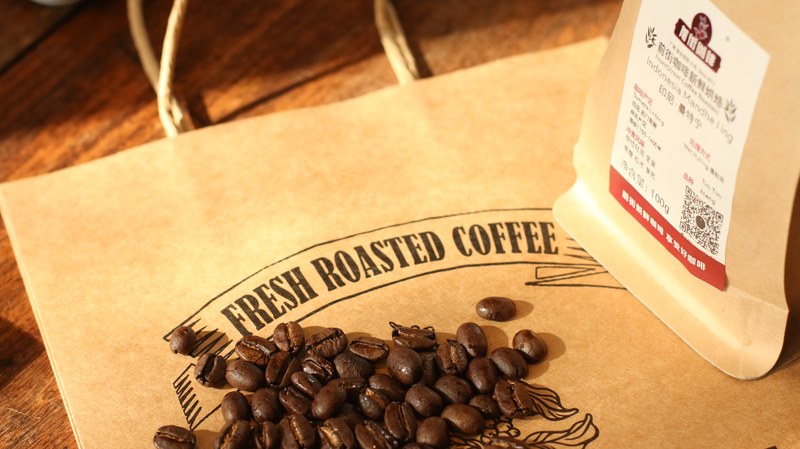
The state of coffee beans changes over time after opening, so extraction parameters may also need timely adjustments. For instance, if the beans are still degassing significantly upon opening, it’s advisable to wait a bit before brewing. In the later stages, if the aroma noticeably weakens, you can slightly adjust to a finer grind to ensure extraction remains within the ideal range.
In summary, selecting coffee beans suitable for making strongly sweet Americanos hinges on whether the overall drinking experience is smooth: whether the bean’s flavors meet expectations, whether the brewing equipment can consistently showcase those traits, and whether parameter adjustments are based on clear reasoning. Purchasing beans that you can finish drinking in a timely manner not only helps maintain their aromatic state, but also allows for better budget control. By practically comparing classic bean varieties and gradually exploring, you’ll be able to find the flavor direction that suits you best.
The above content is compiled by CoffeeHunters, a coffee news website.

