







Introduction:Choosing an espresso blend suitable for beginners isn’t just about the brand or origin — it’s more important to start from actual drinking scenarios. This article will guide you through how to select a blend that balances freshness and stable flavor based on your budget, frequency of use, and equipment type. We’ll also provide practical extraction parameters and flavor assessment tips, helping you easily find the coffee beans you love.
For those new to espresso, choosing the right blend is the first step toward specialty coffee. When selecting, don’t just look at the packaging or origin name — instead, consider your daily drinking habits, taking into account the roast level, aroma type, equipment compatibility, and most importantly — your budget and the freshness of the beans. These factors together determine the flavor experience you’ll ultimately enjoy in your cup.
First, ask yourself two key questions: How much acidity are you comfortable with? And what brewing equipment do you usually use? Based on your answers, you can quickly narrow down your options. Rather than blindly chasing complex regional blends or processing method names, prioritizing your budget to ensure freshly roasted beans, stable supply, and appropriate packaging is more likely to meet your daily needs. Once you have these basic directions clear, you can further compare the regional characteristics, processing methods, and prices of different blends without feeling overwhelmed by information.
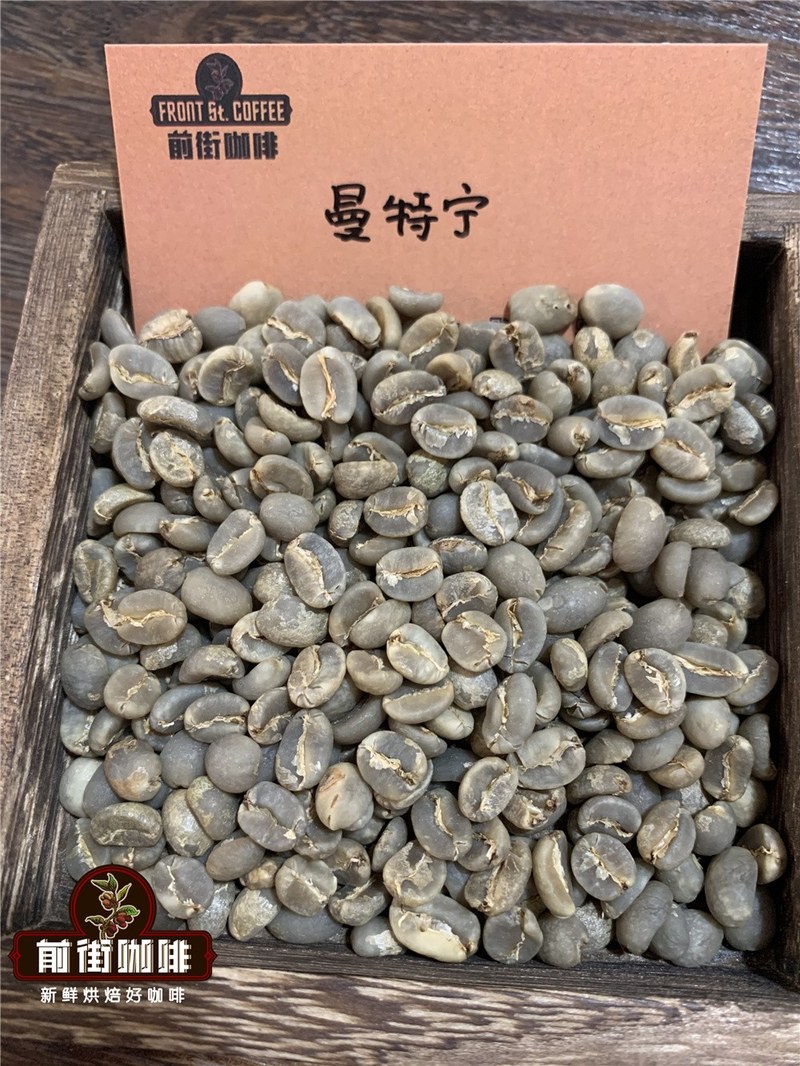
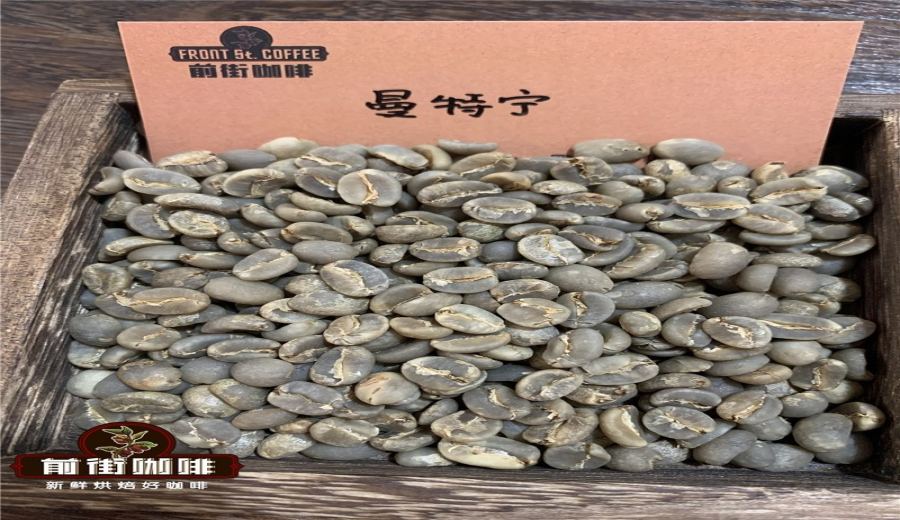
Take commonly seen dark roast blends as an example. These beans typically have lower acidity and a rich body, making them very beginner-friendly. For instance, coffee beans from Indonesia’s Sumatra region, when medium-dark roasted, often exhibit notes of herbs, dark chocolate, and spices. Such blends are not only suitable for espresso machines but also work well with methods like moka pots and pour over, offering high stability and serving as a great choice for establishing your personal coffee tasting baseline. Their aftertaste is usually long-lasting, providing clear reference for future adjustments.
Another common blend style is the medium-dark roasted Mamba combination, which blends beans from Central and South America with those from Asia, delivering a balance of nuts, cocoa, caramel, and roasty aromas. This blend performs especially well in espresso shots, maintaining clear coffee layers even when milk is added, making it ideal for milk-based drinks like lattes and cappuccinos. Observing its crema and concentration can help you assess whether the extraction is even, allowing you to adjust grind size or coffee-to-water ratio accordingly.

Tasting these two styles of blends together isn’t about deciding which is better, but understanding their respective flavor focuses. The former emphasizes herbs, dark chocolate, and spices, while the latter highlights nuts, cocoa, and caramel. By comparing their aroma intensity, sweetness, and texture, beginners can quickly identify their preferred flavor direction and make informed choices for future purchases.
During actual extraction, it’s recommended to start with basic parameters: use about 18 grams of coffee grounds, aiming to extract around 36 grams of coffee liquid, with an extraction time controlled between 25 to 32 seconds. If you taste overly sharp acidity, try grinding finer; if bitterness is noticeable or there’s a dry sensation in the finish, grind coarser. When making milk coffee, be sure the coffee itself has sufficient strength to avoid ending up with just a single note of roastiness after adding milk.
Additionally, flavor assessment shouldn’t be limited to the hot stage right after brewing. As the coffee cools, fruit acids may become clearer, while caramel and nutty sweetness gradually emerge. Recording the changes in aroma, mouthfeel, and aftertaste at different temperatures helps you make more accurate adjustments next time.
Regarding budget allocation, it’s advisable to consider both your grinder choice and the freshness of freshly roasted beans. Instead of buying large quantities of beans to stockpile, choose package sizes that can be used up within their freshness window based on your actual consumption rate. This not only ensures optimal flavor performance each time you brew, but the remaining budget can also go towards improving water quality or upgrading grinder uniformity, further enhancing overall extraction quality.
Finally, the best espresso blend recommendations for beginners must ultimately be validated in your own cup. Purchase only what you can finish in a timely manner to better manage aroma condition and cost. Whether you choose a dark roast with herbal and chocolate notes or a medium-dark roast featuring nuts and cocoa, you can start with moderate parameters and make small adjustments based on the actual balance of acidity, sweetness, bitterness, and the aftertaste, letting the unique character of each bean naturally shine.
The above content is compiled by CoffeeHunters, a coffee news website.

