







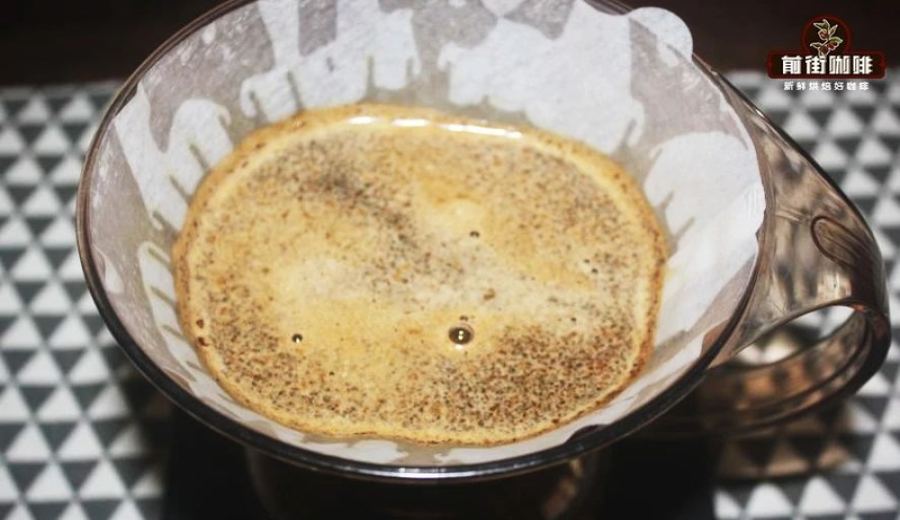
Introduction:When selecting single-origin beans for pour over, you often need to consider your budget, how frequently you drink coffee, and equipment compatibility. This article starts from practical drinking needs, analyzing how to choose beans based on your acidity preference and common brewing methods, providing key extraction parameter references, and comparing the characteristics of two typical flavor beans. It helps beginners establish a clear approach to bean selection and brewing, making each cup of pour over coffee more purposeful.
From coffee beans to a delicious cup, the process involves grinding and extraction. When choosing single-origin pour over beans, daily selection should take into account drinking frequency, purchase quantity, and whether you usually prefer black coffee or milk coffee at home. It’s recommended to first clarify your usual brewing equipment and personal taste preference, then further compare specific bean varieties—this way, you’ll have clearer goals during actual brewing.
When choosing single-origin pour over coffee, start by answering two core questions: How much acidity can you accept? What brewing equipment do you typically use? With everyday drinking in mind, focusing your budget on bean freshness, roast consistency, and suitable packaging is often more practical than blindly chasing complex names. Once these directions are clear, you can then delve into comparing regions, processing methods, and prices—the information will become much clearer.
< >
Take Ethiopia Huakui as an example. This bean from the Guji Hambella region, when brewed with a light roast, often exhibits bright tropical fruit aromas such as strawberry, passion fruit, jackfruit, and lychee. In the cup, the fruitiness is concentrated and sweetness is pronounced, with mild bitterness. Whether used for pour over, cold brew, or ice drip, initial parameters don’t need to be set too strong—slight adjustments can bring out its characteristics.
If you want to explore beans with a similar style but different flavors, Kenya Little Tomato is a good starting point. This Kenyan bean also uses a light roast, and when brewed often shows flavor layers of cherry tomato, dark plum, pear, and black plum. The cup has clear acidity, with sweetness gradually emerging in the mid-palate, making it suitable for pour over, iced pour over, or black coffee that emphasizes juice-like character. It’s recommended to start with moderate parameters to observe sweetness, then decide whether to enhance concentration.
Comparing Ethiopia Huakui and Kenya Little Tomato together isn’t about determining which is better, but understanding the difference in their flavor focus. Huakui’s strawberry, passion fruit, jackfruit, and lychee aromas can serve as a reference for fruit-forward profiles; Kenya Little Tomato, with its cherry tomato, dark plum, pear, and black plum flavors, forms another distinct line. By actually brewing and comparing their aromas, sweetness, and mouthfeel, you can more quickly identify your preferred flavor direction.
For daily brewing, there’s no need to frequently change recipes. For pour over, you can start with a ratio of 15 grams of coffee to 225 grams of water, using medium-coarse grind, with water temperature controlled between 87 and 92 degrees Celsius. If a light roast bean shows weak acidity, you can try slightly finer grind or higher temperature; if bitterness is noticeable, adjust to coarser grind and shorten the later-stage pouring time. This basic set of parameters works for single-origin pour over coffee, but should be flexibly adjusted according to your personal drinking experience—there’s no need to mechanically aim for specific timing figures.
When tasting single-origin pour over coffee, it’s recommended not to rush to judge whether you like it. By observing the layers of aroma, intensity of sweetness, texture of mouthfeel, and the lingering aftertaste, you can gradually identify what to adjust next time—whether it’s a finer grind, higher temperature, or shorter brewing time. Your taste judgment will become more accurate with practice.
< >
If you plan to try multiple single-origin pour over coffees, choosing small packages is more convenient. Based on your daily drinking records, brewing them around the same date with consistent equipment and coffee-to-water ratios allows for a fairer comparison of each bean’s flavor profile, avoiding the masking of the beans’ inherent characteristics due to differences in storage time.
There’s no absolute fixed answer for single-origin pour over coffee—it ultimately comes down to personal taste preference. Purchase only what you can finish in time, which helps control aroma freshness and manage spending reasonably. First determine your acidity tolerance, concentration preference, and drinking method, then choose from beans with different flavor directions (like Ethiopia Huakui and Kenya Little Tomato), paired with stable brewing techniques. The actual differences in the cup will be more convincing than the descriptions on the packaging.
The above content is compiled by CoffeeHunters, a coffee news website.


