







Introduction:Looking for a coffee bean with balanced acidity and bitterness, perfect for everyday pour over? This article, based on real cupping and brewing experiences, helps you choose a single-origin coffee bean that is gentle in flavor and great value for money—based on your budget, drinking habits, and how often you brew. In addition to introducing two representative recommended beans, it also provides detailed extraction suggestions and adjustment tips, so even beginners can easily master the best flavors.
Choosing a single-origin pour over coffee with mild acidity and bitterness actually starts with understanding your daily drinking needs. How often do you drink coffee? Do you prefer black coffee or often add milk? How much coffee do you buy at a time? These factors will influence which bean variety and roast level you should choose. The balance of sweetness and acidity in coffee is not only related to origin and processing methods, but is also greatly influenced by roast depth and brewing conditions. Therefore, it’s advisable to take these factors into comprehensive consideration when selecting beans.
Faced with so many choices, it’s helpful to first clarify two key questions: How much acidity can you tolerate? What brewing equipment do you usually use? For consumers on a limited budget who still want their beans to stay fresh and have consistent flavor, rather than chasing complicated bean variety names, it’s better to prioritize budget allocation toward shelf life, roast stability, and suitable packaging materials, which will better meet everyday needs. Once these directions are confirmed, you can then compare based on regional characteristics, processing method differences, and price ranges, so the information won’t feel overwhelming.
Among the many options that offer a balanced acidity and bitterness and approachable flavors, one frequently mentioned bean is the "Kenyan Little Tomato," which features a bright fruity acidity. Sourced from the Kenyan region and roasted lightly, it often exudes refreshing fruit aromas and layers of sweet-tart notes reminiscent of cherry tomatoes, dark plums, pears, and black plums. The overall flavor profile is clear, with noticeable acidity that isn’t overly sharp, while sweetness gradually emerges in the mid-to-late stages. It’s suitable for pour over and iced pour over, and is also recommended for those who enjoy black coffee but want a refreshing taste. When brewing, there's no need to overly emphasize parameters—start with basic recommended values and gradually adjust to find the flavor that suits you best.
Another recommendation is the "Colombia Gesha," sourced from Colombia’s Boundary Line Estate, with a medium-light roast level. This bean often presents gentle jasmine floral notes in the cup, accompanied by citrus, passionfruit, blueberry, and grape fruit tones. When sipped, you can feel a soft initial fruit acidity that transitions into a smooth cocoa finish, offering an overall balanced performance. This bean is versatile and performs well in a wide range of brewing methods—whether it’s pour over, espresso single origin, cold brew, or even iced drip—showcasing its rich yet gentle layers.
Comparing these two single-origin pour over beans with gentle acidity and bitterness isn’t about declaring one better than the other, but rather helping you identify your preferred flavor direction. The "Kenyan Little Tomato" centers around distinct fruity acidity notes like cherry tomato, dark plum, pear, and black plum—ideal for those who seek a refreshing sweet-tart experience. On the other hand, the "Colombia Gesha" builds on a base of jasmine, citrus, passionfruit, blueberry, and grape aromas, creating a mellow and layered fruitiness with sweetness. Comparing the two helps you more clearly understand which type of flavor emphasis you prefer—whether it’s bright acidity or a softer, fruit-forward sweetness.
For everyday pour over, there’s no need to frequently change recipes. We recommend starting with a ratio of 15 grams of coffee grounds to 225 grams of water, using a medium-coarse grind size, with a water temperature range set between 87 to 92 degrees Celsius. If a light roast shows excessive acidity or thinness, you can try slightly fine-tuning the grind or raising the water temperature a bit; if you notice obvious bitterness or astringency, it’s advisable to coarsen the grind and shorten the later stages of pouring time. The above suggestions apply to most single-origin pour over beans with gentle acidity and bitterness, but slight adjustments should still be made based on each bean’s characteristics and your personal taste—there’s no need to rigidly stick to fixed numbers.
When you find that your brewed coffee lacks acidity, is overly bitter, or has weak aroma, avoid changing all variables at once. Start from your usual brewing perspective—check the current grind size and total extraction time, and confirm whether the water temperature matches the roast level of the beans. Each time, make just one small adjustment—for example, slightly altering the grind size or adjusting the water temperature by 1–2 degrees. This usually helps pinpoint the issue and also makes it easier to develop your own brewing intuition.
Additionally, the state of the beans changes over time, so it’s recommended to adjust brewing parameters according to the stage after opening. For example, right after opening, if the beans are still releasing a lot of CO₂, you might wait 1–2 days for them to stabilize before brewing. Later on, if you notice the aroma has significantly weakened, you can slightly fine the grind to help improve extraction efficiency and keep the overall flavor within a comfortable range.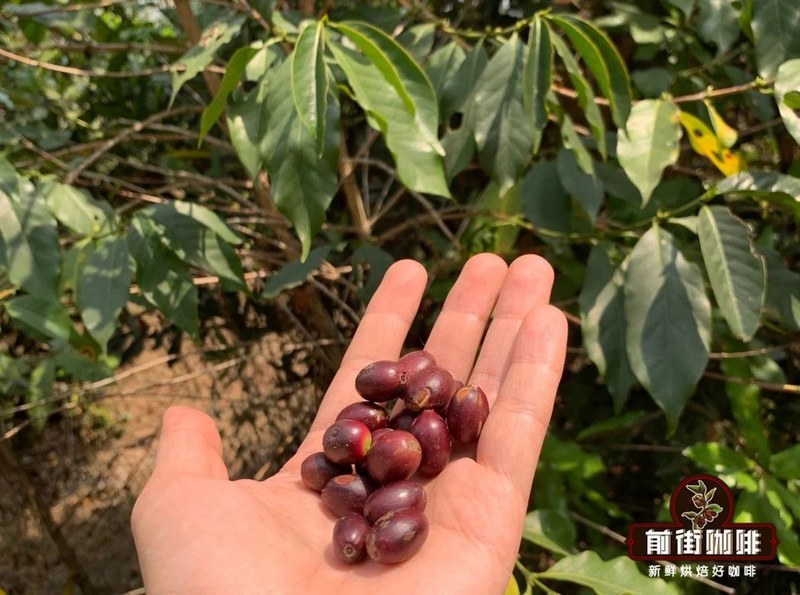
In summary, single-origin pour over beans suitable for everyday drinking should deliver stable flavor performance and good drinkability, allowing you to still sense subtle variations and enjoyments during consistent brewing. Purchase an appropriate amount that you can finish on schedule—not only does this maintain the beans’ optimal aromatic state, but it also helps control your budget effectively. In the end, whether you choose the "Kenyan Little Tomato," the "Colombia Gesha," or explore other flavor profiles, the answer actually lies in the process of each hands-on brew and careful tasting.
The above content is compiled by CoffeeHunters, a coffee news website.


